







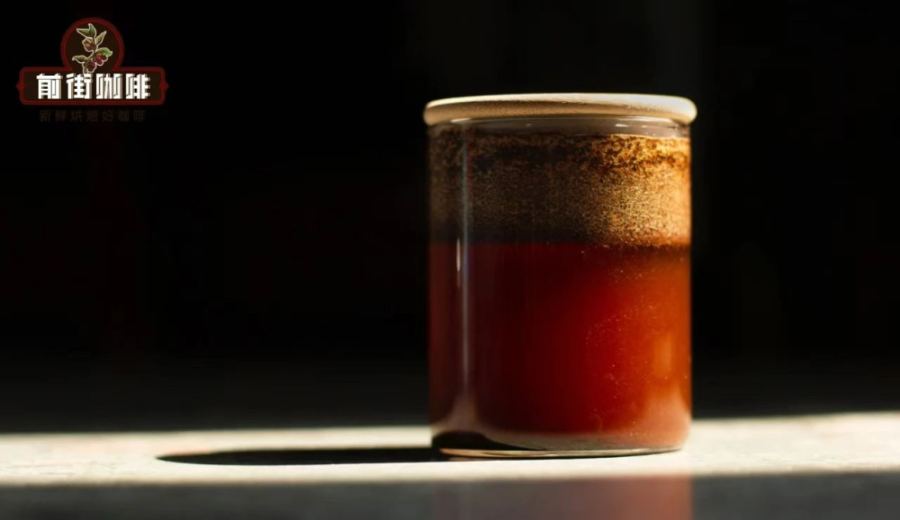
Introduction:Want to understand the fundamental differences between cold brew and iced Americano? This article delves into the brewing principles, key parameters, and flavor characteristics of cold brew coffee, and demonstrates with practical steps how to complete an 8–12 hour low-temperature steep using medium-fine ground coffee. From coffee-to-water ratio, water temperature control to filtration techniques, it provides a comprehensive beginner’s guide, while also comparing the extraction logic and suitable scenarios of the two iced coffees to help you choose the best option based on your needs.
As the hot summer arrives, iced coffee becomes the go-to choice for many to beat the heat. Among the various types of iced coffee, cold brew (or cold drip) coffee has gradually won the favor of the younger crowd with its clean yet full-bodied taste, even posing a challenge to traditional iced Americano. This type of coffee, extracted through a low-temperature, long-duration steeping process, can effectively reduce bitterness and off-flavors, fully showcasing the sweet and acidic layers inherent in the coffee beans—especially suitable for light to medium roasted beans—but requires 8 to 12 hours to complete.
In contrast, iced Americano is made by quickly extracting espresso under high temperature and pressure, then diluting it with water. Its rich and bold character makes it the preferred choice for those seeking a strong flavor. This article will detail the cold brew coffee production process, illustrate key steps with practical examples, and also provide an in-depth comparison of the core differences between the two iced coffees.
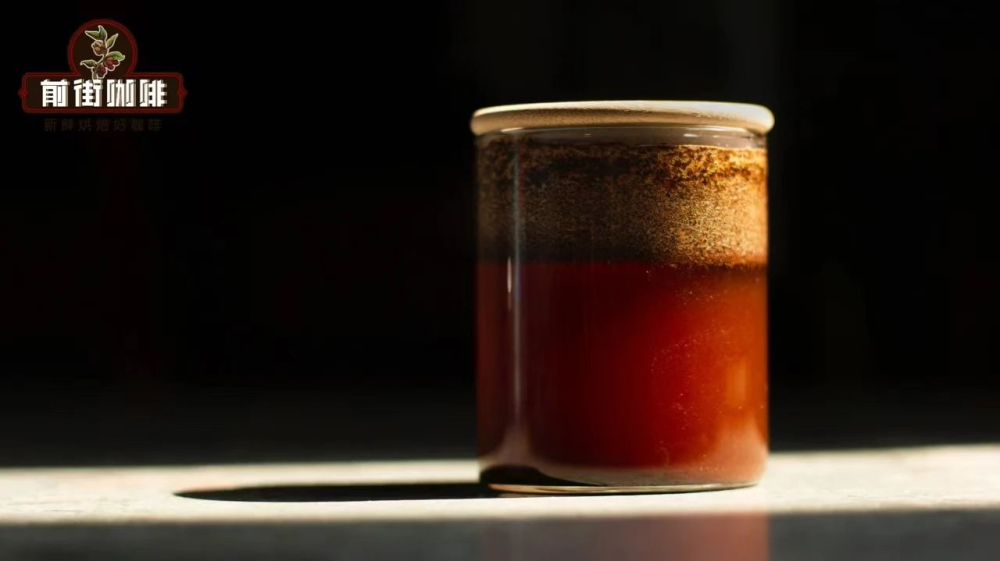
The uniqueness of cold brew coffee lies in its low-temperature extraction characteristic. Since the water temperature is maintained within0°C to 4°C, the activity of water molecules is greatly reduced, making it difficult for heavier molecular substances in the coffee grounds (such as those that can cause bitterness, like body-enhancing compounds) to be released. At the same time, lighter molecular substances (such as compounds that bring bright acidity and fruity flavors) can gradually dissolve during the long steeping process.
This extraction mechanism gives cold brew coffeea refreshing taste with fewer off-flavors, particularly highlighting the delicate layers of light to medium roasted beans. It is recommended to usemedium-fine grind (about 75% passing rate through a Chinese No. 20 standard sieve), and adjust the coarseness of the coffee grounds to be similar to the texture of white granulated sugar, to facilitate the stable release of flavor compounds.
In practice, you can mix40 grams of coffee grounds with 520 milliliters of room temperature waterat a 1:13 coffee-to-water ratio in a sealed container. Place the mixture in the refrigerator and let it steepfor 8 to 12 hours. During this period, it’s recommended to avoid frequently moving the container to ensure even extraction. After the steeping is completed, carefully filter out the coffee grounds using a dense filter or filter paper to obtain the base cold brew coffee liquid.
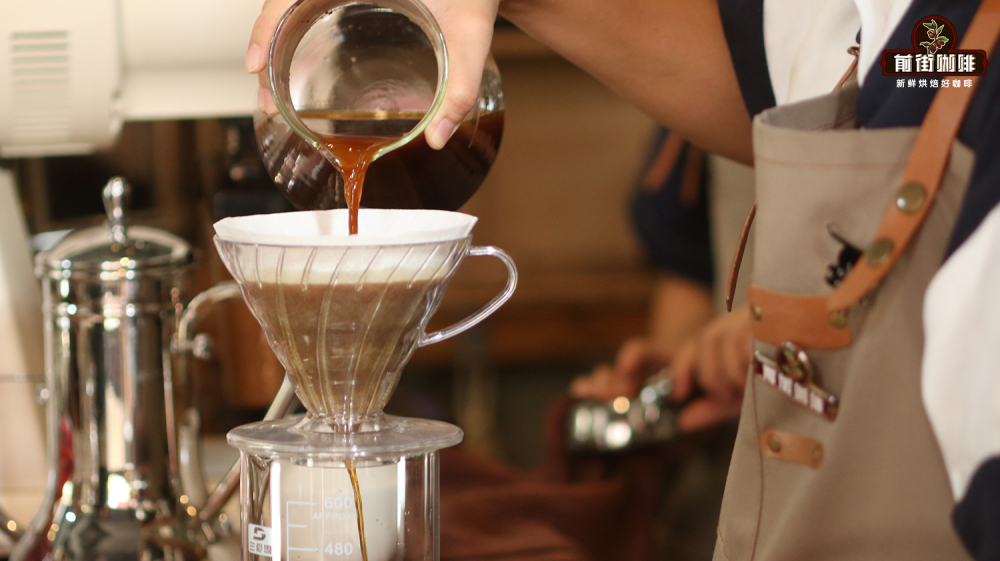
The filtered cold brew coffee can be consumed directly or customized with milk, syrup, or other flavorings according to personal preference. Taking the Panamanian Hua Hudie (Butterfly) beans as an example, its cold brew typically exhibitsbright citrus acidity, green tea-like aftertaste, white floral notes, and honey sweetness, with an overall flavor profile that is clear and well-layered.
In contrast to the gentle nature of cold brew coffee, iced Americano is made by using pressurized and high-temperature conditions to allow hot water to rapidly penetrate an extremely fine ground coffee layer (usually at espresso grind level), extracting a highly concentrated coffee liquid in a short time before diluting it with water. This process efficiently extracts the body-rich compounds from the coffee grounds, resulting in a rich and intense taste profile suitable for those who prefer stronger flavors.
It’s worth noting that although iced Americano is highly efficient to make (usually completed within minutes), its flavor performance heavily relies on the precision of the espresso extraction. Improper control of grind size, water temperature, or pressure can easily lead to burnt bitterness or over-extraction defects. In addition, since cold brew coffee inhibits oxidation reactions due to the low-temperature environment, it generally has a longer shelf life, whereas iced Americano is recommended to be consumed as soon as possible for the best flavor experience.
The above content is compiled by CoffeeHunters, a coffee news website.


