







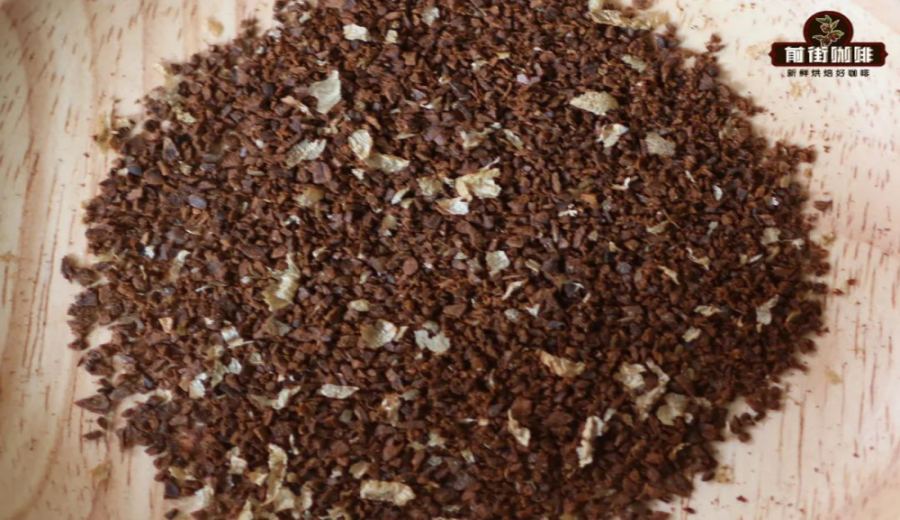
Introduction:When brewing pour over coffee, issues such as slow water flow or muddled flavors often arise. Many people immediately suspect that fine particles are to blame and turn to sieves to address the problem. While removing fines can improve flow rate, it may also sacrifice the coffee’s complexity and vibrancy. This article delves into the dual role of fines in coffee extraction, analyzes the true relationship between grind uniformity and flavor expression, and offers practical advice to help you adjust your grinding strategy more scientifically.
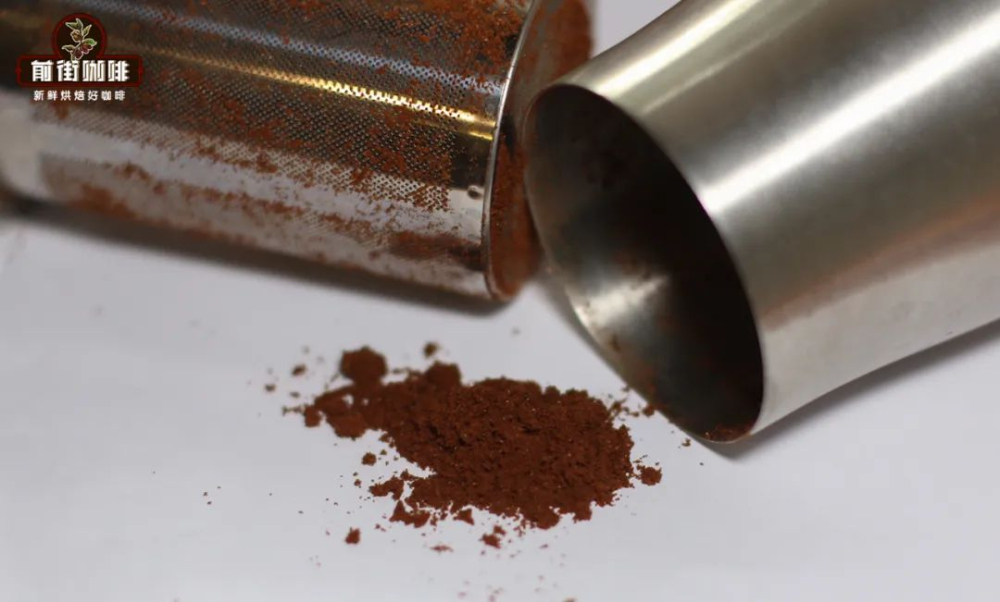
Many pour over enthusiasts have experienced situations during brewing where the water flow slows down after pouring, or the coffee tastes dull or even chaotic. Faced with such extraction issues, many instinctively blame the fine particles in the coffee grounds and promptly purchase sieving tools, hoping to improve the situation by filtering out the fines. Indeed, after sieving, the permeability of the coffee bed significantly improves, and water flows more smoothly. However, surprisingly, the coffee’s flavor becomes dull and monotonous, losing its intended layers and vibrancy. This outcome raises an important question: what exactly is the impact of fines on coffee extraction?
The so-called fines generally refer to extremely fine particles produced during the coffee bean grinding process, typically with particle sizes close to those used for espresso—usually less than 250 microns. Whether you use a high-end professional grinder or an entry-level home model, it’s almost impossible to avoid generating a certain proportion of these very fine particles. The difference lies in the fact that higher-quality grinders can effectively control the amount of fines produced, resulting in a more uniform particle distribution. In contrast, grinders with weaker designs or burr performance tend to produce more fines, which can affect the overall stability of extraction.
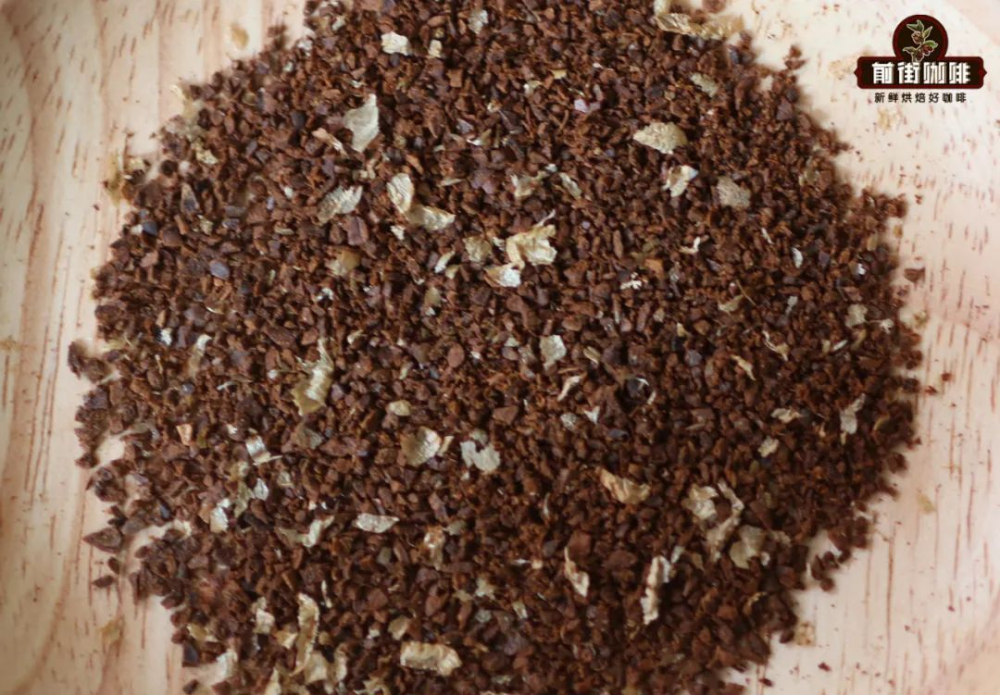
Fines actually play a dual role in coffee extraction. On one hand, due to their large surface area and greater contact with water, they tend to release a large amount of substances in a short time. If their proportion is too high, it can easily lead to over-extraction, resulting in bitter, off-flavored coffee, and even affecting water flow, making the brewing process more difficult. On the other hand, an appropriate amount of fines can enhance the overall uniformity of extraction, adding depth and complexity to the flavor profile. If all fines are filtered out, the coffee may end up tasting flat, losing its refinement and vibrancy.
So, how should we correctly view the impact of fines, and is it necessary to use a sieve? The key lies in the overall uniformity of the grind. If your grinder provides a grind size distribution that is relatively concentrated—with a reasonable proportion of fines—then it may not be necessary to use a sieve. Instead, you can achieve the ideal extraction balance by adjusting the grind size, controlling pouring techniques, and other methods. Conversely, if you find that the coffee bed contains an obviously excessive amount of fines, causing serious flow issues or flavor imbalance, removing some of the finest particles can indeed offer a short-term improvement. However, in the long run, it’s better to focus on selecting and calibrating your grinder to improve grind consistency.
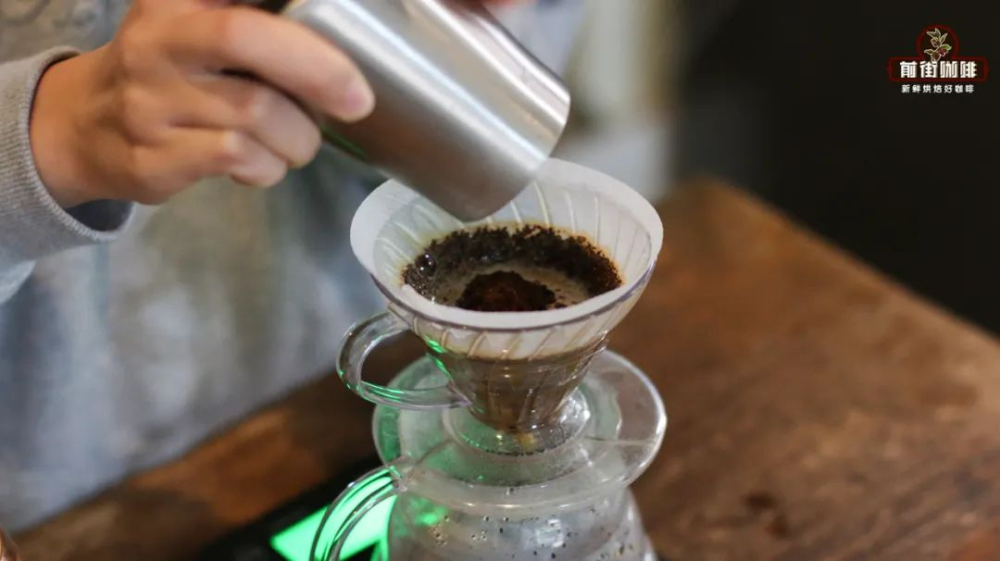
For those new to pour over brewing, choosing a grinder with good grind uniformity is crucial. It’s recommended to prioritize models with stable burr designs and fine-tunable settings, and to observe the particle distribution of the coffee bed during actual use. If you frequently encounter problems related to fines during brewing, you might try slightly adjusting the grind size to a coarser setting, while also paying attention to the speed and evenness of your pour—avoiding pouring forcefully on a single spot. This helps reduce channeling effects and leads to a smoother overall extraction.
In summary, fines are not entirely negative. In appropriate amounts, they can add extra layers of extraction to the coffee, but in excess, they can easily cause flavor imbalance and flow difficulties. Sieves can serve as a temporary solution, but they are not a fundamental fix. To achieve stable and expressive pour over coffee, it’s better to focus on improving grind uniformity, mastering appropriate grind parameters, and refining brewing techniques—only then can you truly enjoy the subtlety and depth of pour over coffee.
The above content is compiled by CoffeeHunters, a coffee news website.


