







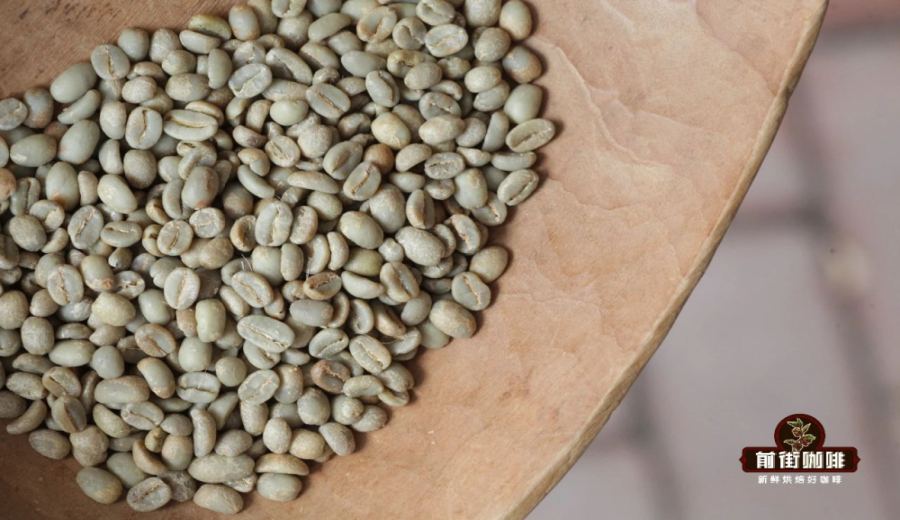
Introduction:Ethiopia is the global genetic treasure trove of coffee, home to nearly 2,000 coffee varieties, over 96% of which are heirloom types. However, behind the commonly seen "Heirloom heirloom variety" label on the market lies a complex set of classification and identification challenges. This article will take you deep into the essential differences between Heirloom and Landrace, the core logic of Ethiopia’s official grading system, and the key factors that influence flavor, while also providing practical roasting and pour-over parameters to help you appreciate these rare bean varieties more professionally.
As the birthplace of coffee, Ethiopia boasts astonishing coffee genetic diversity, with nearly 2,000 varieties officially recorded to date, including as many as 1,927 that are classified as heirloom varieties. Walk into a café, and almost all Ethiopian coffee packages are labeled “Heirloom.” But in recent years, “Landrace” (local varieties) and numbered “variety numbers” have also gradually entered the market’s view. This article will systematically unpack the true meanings of these terms, analyze Ethiopia’s unique coffee grading system, and share key parameters that influence flavor expression.
What Is a Heirloom Variety?According to the Oxford English Dictionary, “Heirloom” originally refers to “precious items passed down through generations of a family.” In the coffee world, it is translated as “heirloom variety.” In Ethiopia, there are approximately 10,000 to 15,000 wild varieties that have not undergone formal genetic identification. These naturally evolved coffee trees are mostly scattered across the highland areas in the southwest and are planted by local farmers across generations but cannot be clearly distinguished by variety type. Due to the vast number of varieties, their largely wild state, and the difficulty farmers face in identifying individual varieties among mixed growth, they are ultimately all labeled as Heirloom.
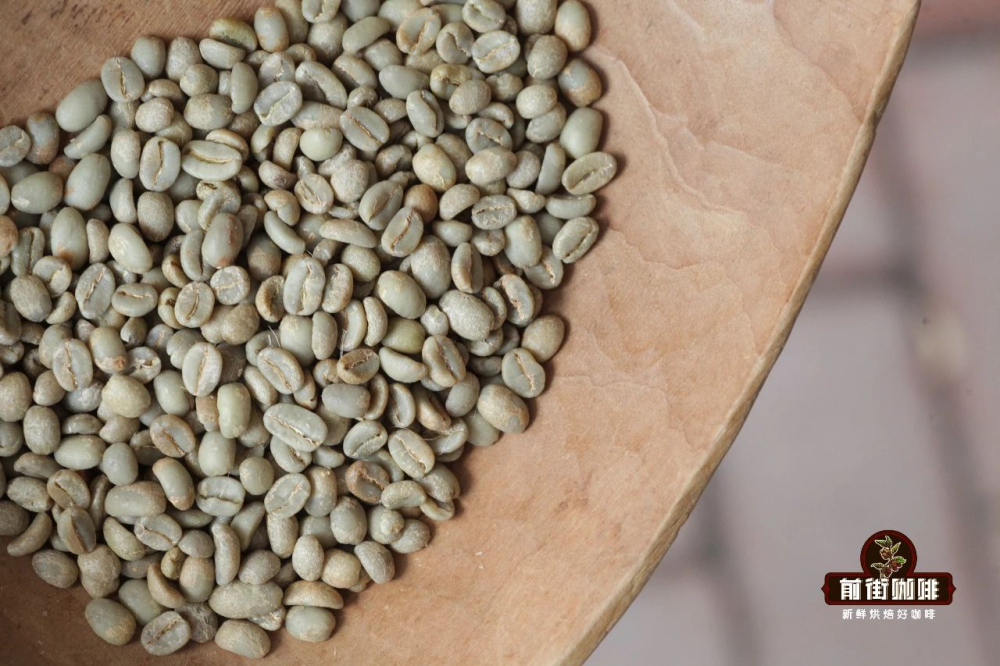
These heirloom varieties can generally be divided into two major types: improved strains cultivated by the Jimma Agricultural Research Center (JARC), and completely naturally evolved regional landrace varieties. The former includes improved varieties such as 74110 and 74112, which have been enhanced for disease resistance, while the latter are unique populations that have naturally formed in specific microclimates. Notably, Ethiopia’s unique “semi-forest system”—that is, large forest coffee farms owned by private groups—makes it difficult to separate and identify many varieties in mixed growing environments, further adding to classification complexity.
Analysis of Ethiopia’s Coffee Bean Grading StandardsFaced with a complex array of varieties and variable flavor profiles, Ethiopia employs a unique dual-track grading system. Before the establishment of the ECX (Ethiopian Commodity Exchange), the Ministry of Agriculture conducted preliminary grading based on the number of defective beans in a 300-gram sample: washed beans were typically classified as G1–G2 (with fewer than 3–12 defects), while natural beans, due to limitations of traditional processing techniques, were mostly G3–G5 (with 13–45 defects). With advancements in processing techniques, modern natural beans can also achieve the high-grade levels of G1–G2.
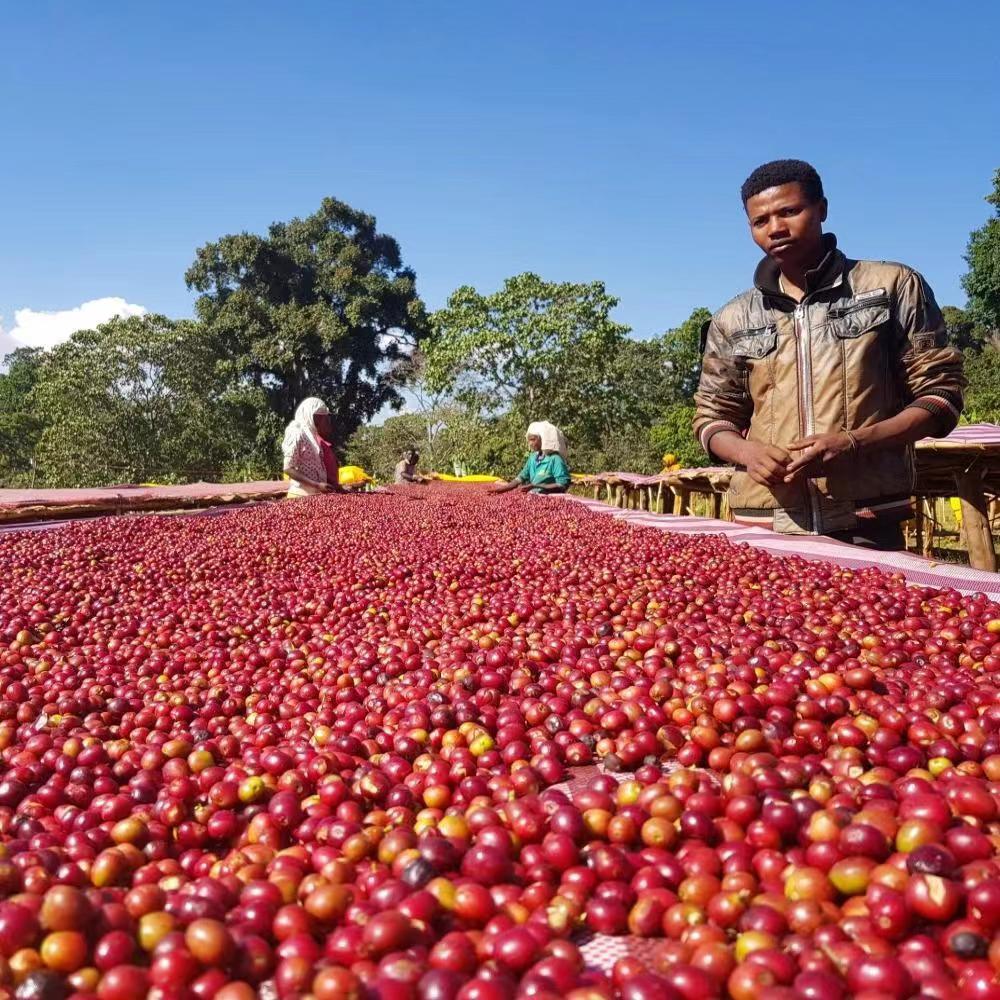
The ECX uses a more refined nine-tier classification method, evaluating both physical characteristics (40% weight) and cupping flavor (60% weight): physical assessment includes the number of defects in washed beans (20%), bean size (10%), color (5%), and aroma (5%), while non-washed beans place greater emphasis on defect count (30%) and aroma (10%). G1–G3 beans that pass initial evaluation are further cupped according to SCAA standards,with scores above 85 classified as Q1 specialty grade, 80–85 as Q2, and below 80 demoted to G3. Q1 and Q2 together make up the specialty grade, while G4–G9 remain within the original commercial grade classification.
For washed and non-washed beans, the ECX has separate scoring tables: for washed beans, G1 requires 91–100 points, G2 81–90; for non-washed beans, G1 is also 91–100, G2 81–90, and so on down to G9’s 20–30 points. This system ensures that the quality and flavor characteristics of each exported batch of beans can be traced.
Key Differences Between Heirloom and LandraceThe Landrace (local variety) label that has emerged in recent years specifically refers to those varieties that have naturally adapted and developed distinctive flavors in specific geographic environments—for example, Kurume in the Yirgacheffe region, and Dega and Walisho in Sidamo. Although these varieties fall under the broader Heirloom category, they have long coexisted with the local ecosystem, exhibiting more distinct regional characteristics. In addition, number varieties starting with 74 and 75 (such as 74110 and 74112) originate from the Jimma Institute’s breeding program in 1974–1975, and some of these varieties have repeatedly won awards in COE competitions.
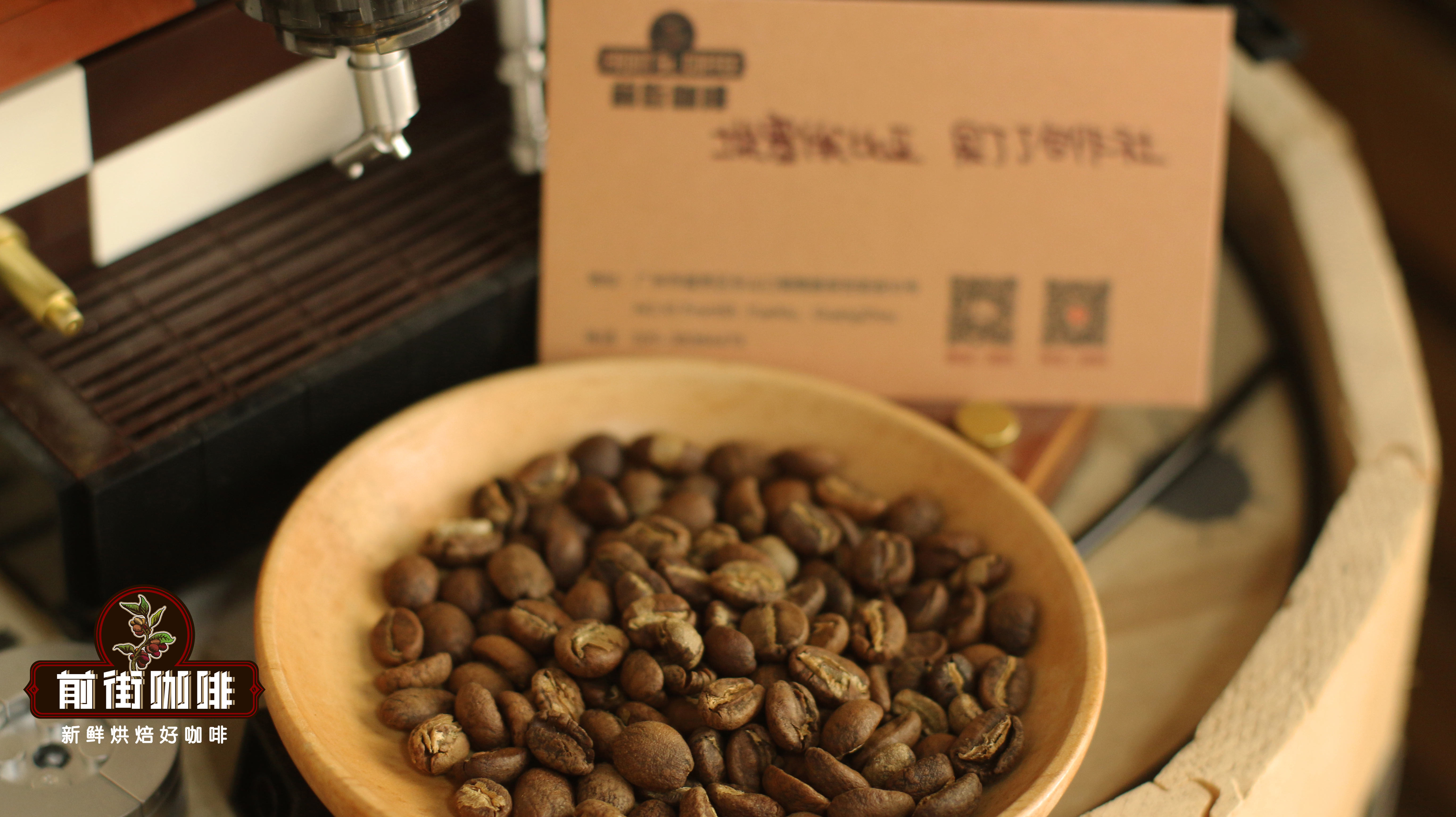
Practical Pour-Over and Roasting ReferencesTaking the classic natural red cherry as an example, the recommended roast level is medium-light: load 600 grams of green beans into a Yangjia 800N roaster, with a drum temperature of 200°C at charge. Reduce the air damper from 3.5 to 148°C, then to 130°C at 151°C, and finally to 105°C with damper 4. First crack begins at 9’07”, and the final drop is at 194°C, preserving bright berry tones and honey sweetness. For pour-over, use a V60 #01 filter, with water temperature at 90–91°C, a 1:15 coffee-to-water ratio, medium-fine grind (80% passing through a #20 sieve), and a three-stage extraction (30g bloom → 95g drawdown → 100g finish), with time controlled between 2’00”–2’10”. This highlights its layered flavors of lemon, berries, and black tea.
Understanding these variety classifications and grading logics not only helps consumers choose a coffee experience that better matches their expectations, but also allows for a deeper appreciation of the boundless charm of Ethiopia’s coffee genetic library.
The above content is compiled by CoffeeHunters, a coffee news website.


