







Introduction:From Panama Geisha to Ethiopian Yirgacheffe, we’ve selected ten of the most acclaimed Arabica single-origin beans of 2023 by coffee enthusiasts. This article provides an in-depth analysis of each bean’s growing environment, processing method, and flavor profile, covering key parameters such as altitude and variety characteristics, along with professional brewing recommendations to help you find your ideal choice based on personal taste preferences.
The charm of specialty coffee stems from the exquisite interplay of terroir microclimates, varietal genetics, and post-harvest processing. In 2023, the global coffee market continues to focus on these carefully selected single-origin beans, which not only represent the unique terroir of their regions but also showcase innovative breakthroughs in processing techniques. Below, we’ll introduce in detail ten highly praised Arabica coffee beans, fromPanama Finca Esmeralda Red Label GeishatoPapua New Guinea Paradise Bird, each analyzed across six dimensions of uniqueness.
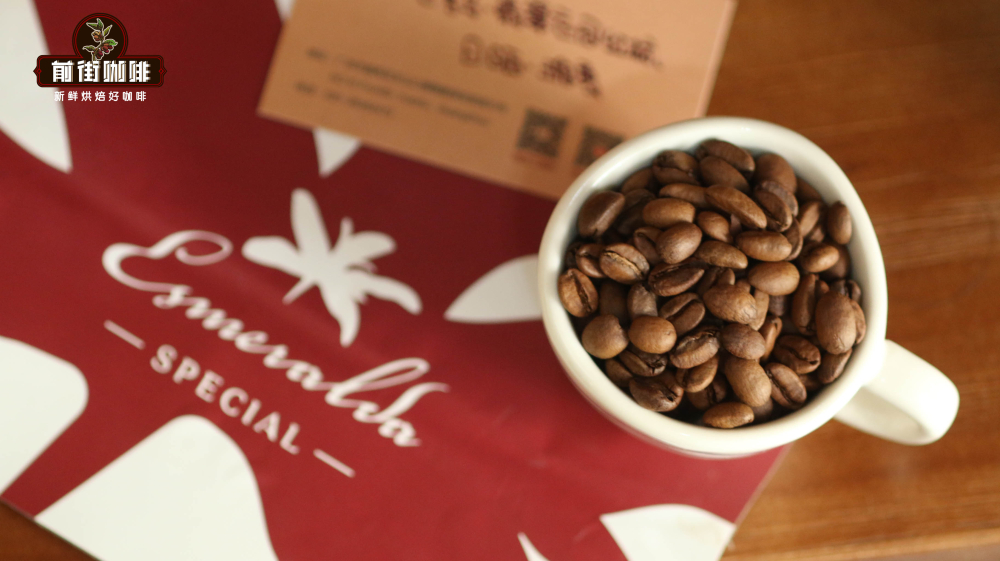
Panama Finca Esmeralda Red Label GeishaGrown in the high-altitude region of Boquete (1700 meters), the microclimate of the Jaramillo Mario plot gives it distinctive qualities. Using traditional natural processing, the Geisha variety releases a richly layered tropical fruit profile, with a refreshing citrus juice-like acidity, accompanied by honey sweetness and a soft black tea-like finish. For pour over, it is recommended to use water at 92-94°C with a fine grind to highlight its floral and fruity aromas.
Jamaica Blue Mountain No.1Grown at around 1310 meters in the Blue Mountains (note: the original altitude data may be a typo, the actual should be approximately 1310 meters), the washed process at the Clifton Estate creates a classic balanced style. The Typica variety exhibits gentle citrus acidity, perfectly complemented by a dark chocolate base. Its nutty, creamy body requires water at 90-92°C with a medium grind to fully express its layered flavors.
Indonesia’s SumatraPWN Golden Mandheling(grown at 1100-1600 meters) is a representative of the wet-hulled method. The G1 grade Ateng variety, triple hand-sorted and specially processed for husk removal, highlights herbal and spicy notes. The black chocolate and caramel flavors are best extracted at temperatures above 93°C using a coarse grind to avoid excessive bitterness.
EthiopiaYirgacheffe Guji Dingding Cooperativenatural-processed beans (grown at 2000-2100 meters) showcase the vitality of highland varieties. The washed process preserves bright citrus acidity, with a balance of berry tones and honey sweetness. It is recommended to use water at 90-91°C with a V60 filter, and a fine grind can enhance the fruit aroma.
At 2250-2350 meters,Sidamo Huikui(processed at Buku Able) is a model of natural processing. Ethiopian native varieties, fermented under sunlight, develop unique complex berry aromas, with jackfruit sweetness and layered fermentation notes that benefit from a slightly longer blooming time (recommended 30 seconds) to fully develop.
Kenya72-hour Washed AA(from the Thika region at 1550-1750 meters) uses a patented fermentation process. The SL28 and SL34 varieties exhibit highly distinctive tomato and black plum acidity. The brown sugar sweetness is extracted through 92°C medium-fine grinding, and it is recommended to use a pulse pouring technique to maintain a stable flow rate.
Costa RicaStrawberry Candy(grown at 1700 meters in Tarrazú) features a raisin honey process that creates a unique sweetness. The Geisha hybrid offers strawberry hard candy aromas and raisin fermentation layers. Brewing at high temperatures (94°C) with a coarse grind balances the sweet and acidic profile.
YunnanBaoshan Small Bean Coffee(grown at 1450-1550 meters) uses a fully red-fruit natural process, allowing the Catimor variety to display rare berry tones. The black chocolate and roasted nut base suits 90°C medium-coarse grinding, and extending brew time can enhance body.
BrazilQueen Estate(grown at 1400-1950 meters in Mogiana) features a semi-washed Yellow Bourbon with a nutty cream texture and silky peanut butter mouthfeel. It is recommended to use water at 91°C with a French press and a coarse grind to bring out a full body.
Finally, Papua New GuineaParadise Bird(grown at 1500 meters) offers a washed Typica with classic citrus acidity and sugarcane sweetness, forming a clean flavor profile. With white tea-like aftertaste characteristics, it suits 90°C medium grinding, and a short bloom time (20 seconds) can highlight its fresh and bright notes.
The above content is compiled by CoffeeHunters, a coffee news website.


