







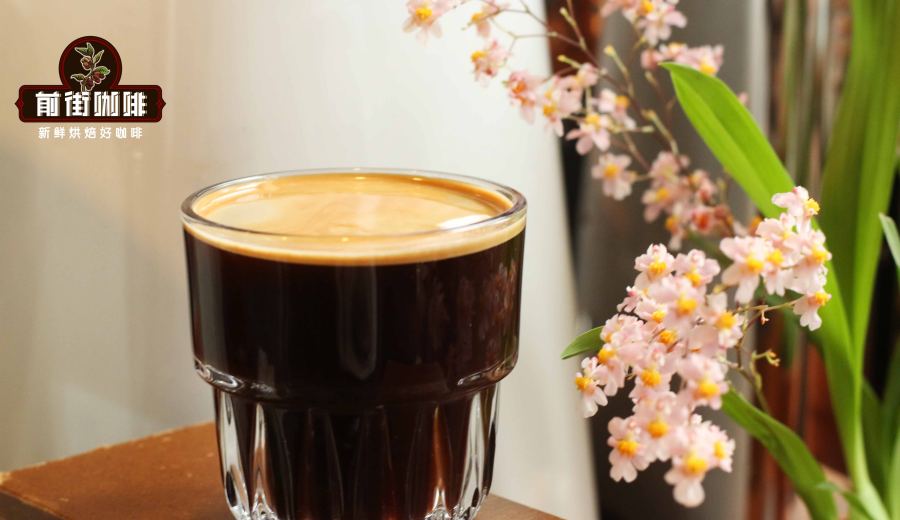
Introduction:From its first appearance in Venice, to the first steam-powered machine patent in Turin, to the golden crema brought by the lever design, espresso has evolved over time. It has not only profoundly influenced the daily lives of Italians but also laid the foundation for the global coffee industry. This article will take you through the history, equipment innovations, and cultural habits to explore the birth and evolution of espresso, and delve into Italians’ unique emotional connection and flavor preferences for this “black gold” beverage.
Holding a cup of espresso is not just about sipping a drink, but touching centuries of accumulated coffee civilization. From the steam extraction methods pursued for efficiency after the Industrial Revolution in the 19th century, to becoming the core foundation of specialty coffee worldwide today, the birth and evolution of espresso have not only rewritten the rhythm of life for Italians but also influenced the direction of the global coffee market.
How did this small cup of highly concentrated, quickly extracted black coffee take root in Italy and then spread to the world? Let’s start with that very first “devil’s drink.”
As early as 1580, coffee beans entered Italy through the port of Venice. At that time, this black beverage originating from the Middle East and Africa was still regarded as a “pagan drink,” consumed only by the noble few. In the eyes of many Christian Italians, coffee was even jokingly referred to as the “devil’s drink.”
It wasn’t until the early 17th century that the situation began to change. Pope Clement VIII personally tasted coffee and, instead of condemning it, symbolically baptized it, publicly including coffee among the beverage choices for Christians and even praising it as the “drink of God.” From then on, coffee culture gradually permeated the streets of Italy, also planting the seeds for the later birth of espresso.
In 1645, Europe’s first coffeehouse dedicated solely to coffee was established in Rome. This was not only Italy’s earliest coffee shop but also marked the shift of coffee from a noble privilege to mass consumption.
However, the key to truly bringing coffee into the everyday lives of Italians was the technological innovation in equipment during the late 18th to early 19th centuries. Initially, people still used traditional Middle Eastern Turkish coffee pots, a method that was cumbersome and inefficient. As urban life sped up, a simpler and quicker brewing method became a necessity.
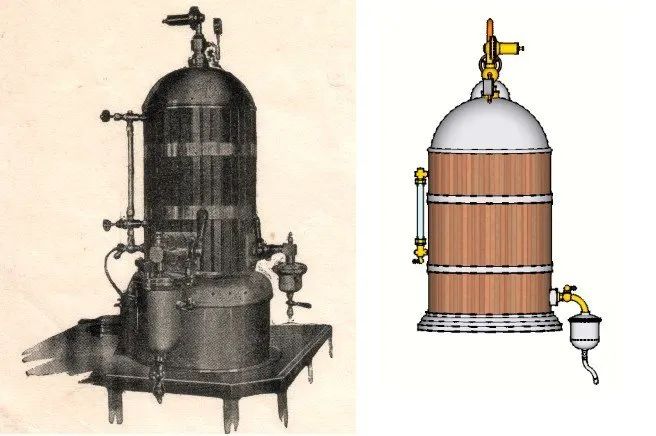
In 1884, Italian engineer Angelo Moriondo from Turin obtained the world’s first patent for a steam-powered coffee-making machine. This device used high-temperature steam to drive the extraction process. While it achieved a certain level of the “fast coffee” concept, inconsistent temperature control often led to over-extraction and a burnt, bitter taste, requiring significant subsequent improvements.
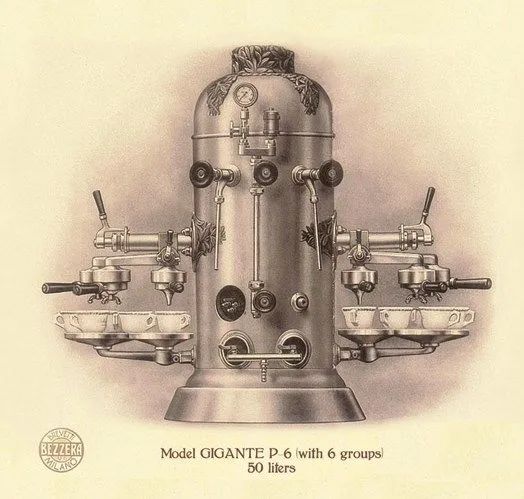
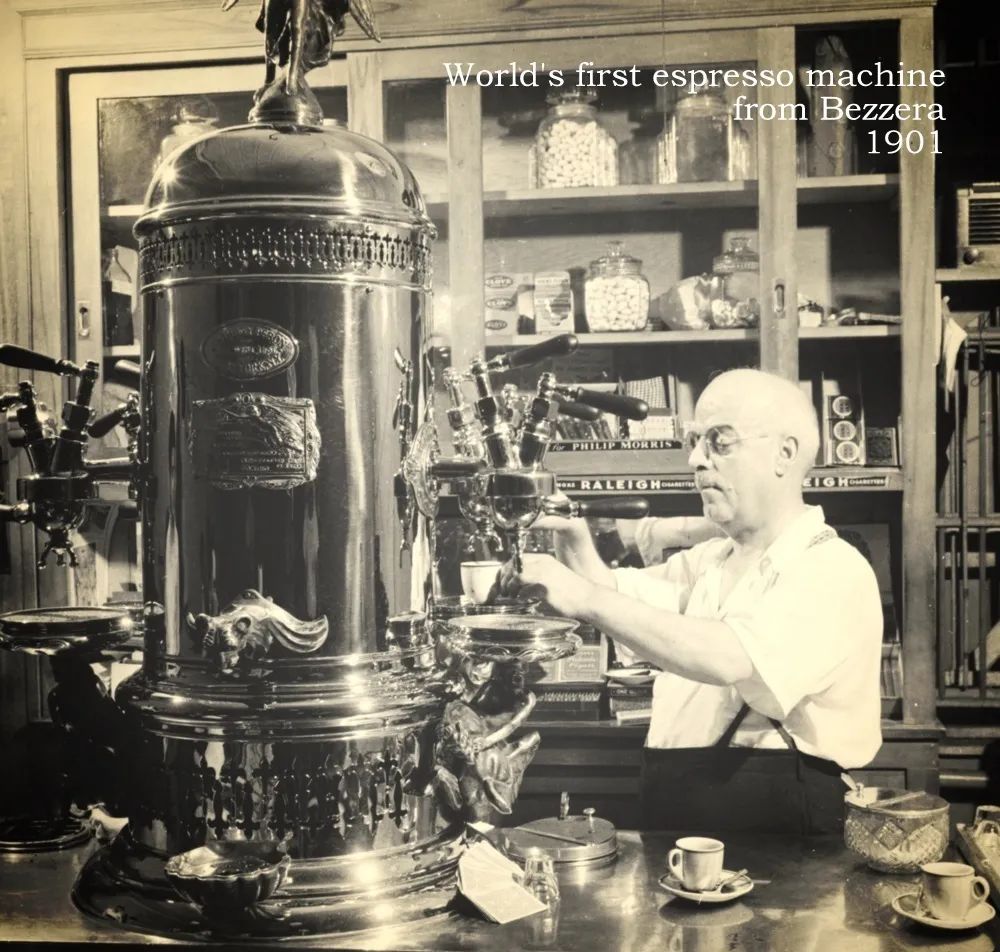
By the end of the 19th century, Milan manufacturer Luigi Bezzera built upon this foundation and introduced an improved prototype of the coffee machine. This machine was the first to adopt a detachable handle and a modular assembly structure. Using pressurized steam, it could produce a cup of espresso in a short time, essentially becoming the prototype of the modern espresso machine.
The term “Espresso” was officially included in the Italian dictionary around 1920, defined as: “a concentrated coffee made using a high-pressure machine or filter.” It was not just a beverage, but the crystallization of engineering and taste innovation.
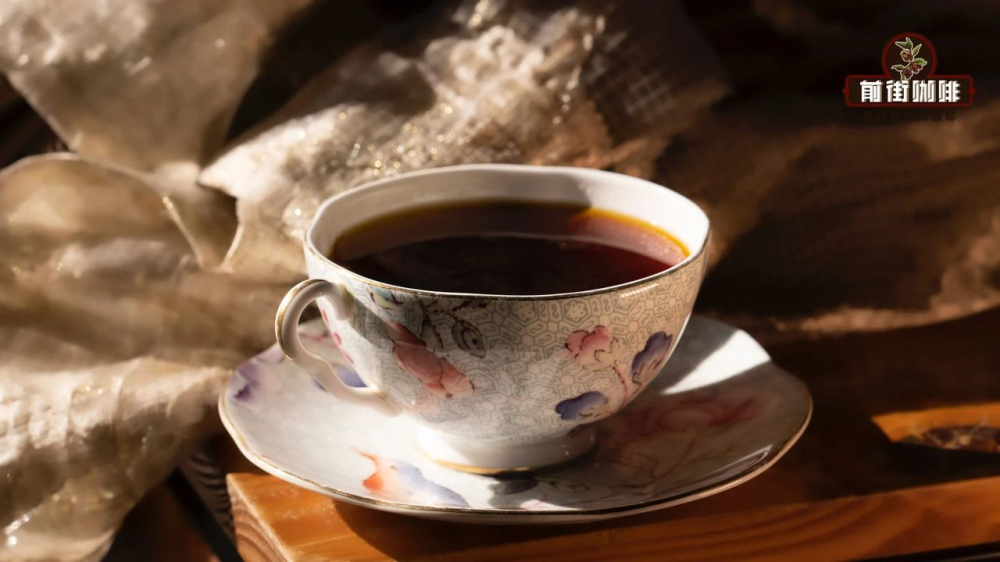
However, early espressos were not particularly well-received. Many first-time drinkers were put off by its intense, almost bitter flavor. But it was precisely this challenge that sparked further innovative enthusiasm among Italian engineers.
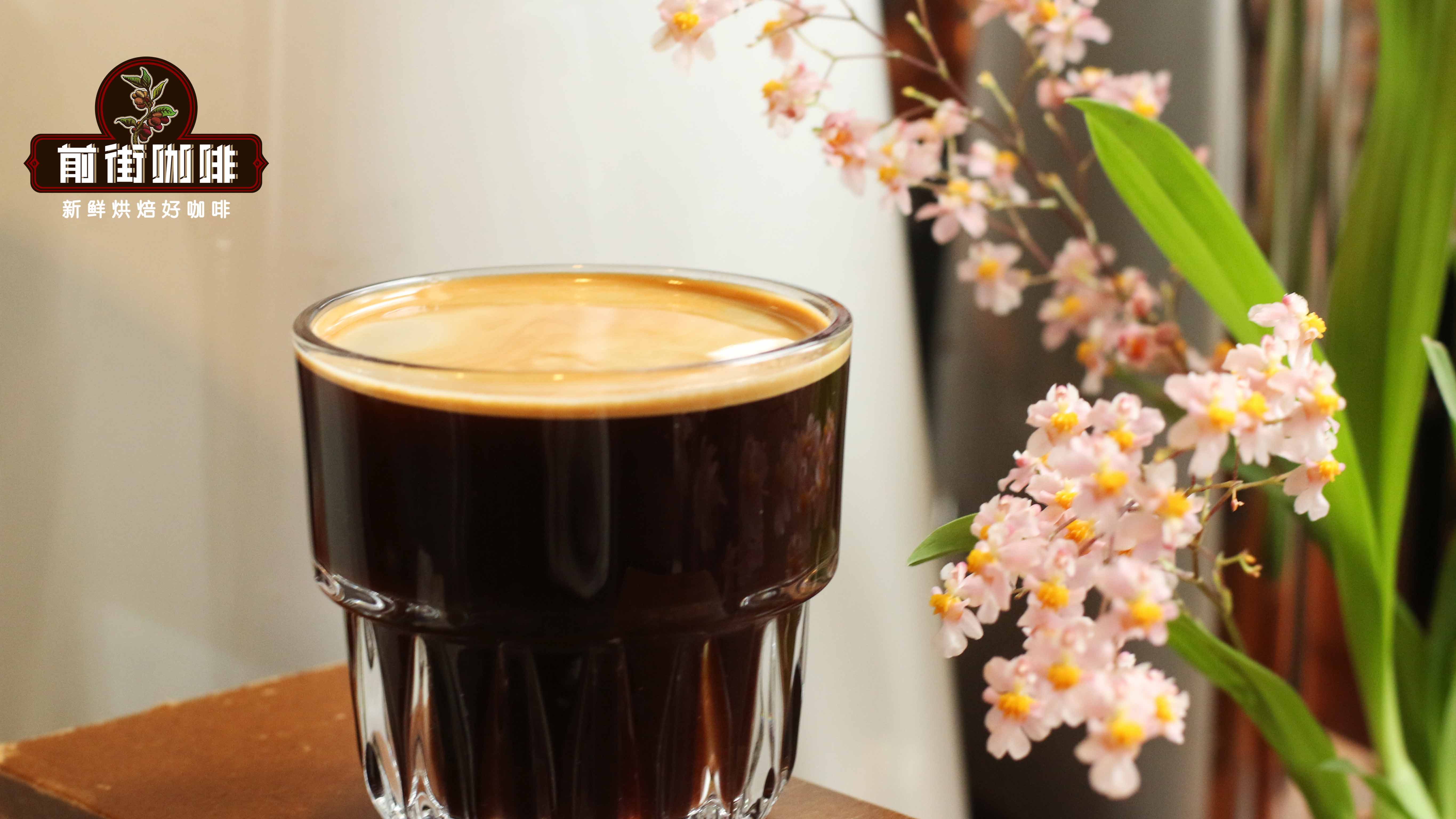
In 1938, Milan technician Achille Gaggia made a breakthrough improvement: he added a manual lever mechanism to the coffee machine, increasing the extraction pressure from the original 1.5 bar to 9 bar. This not only successfully stabilized the extraction pressure but also accidentally created a fine, dark brown froth on the surface of the coffee — what we now know as crema. At the same time, the lever machine allowed for better control over the volume of each extraction, greatly improving the consistency of coffee quality.
Thus, espresso not only reached technical maturity but also gradually evolved into the core symbol of Italian coffee culture. That small cup of dark liquid with a golden crema on top became a comforting taste in the midst of a busy life and the soul of corner cafés across Italy.
When it comes to the coffee preferences of Italians, “espresso first” is perhaps their most defining characteristic. For most Italians, only this small cup of black coffee, extracted under high pressure in a short time, can be considered “real coffee.”
Walking the streets of Italy, you’ll rarely hear people order a “latte” or “cappuccino” for breakfast — these milk-based coffees are usually reserved for after morning or even considered a post-lunch option. Instead, a simple “Un espresso, per favore” is the most authentic Italian way to order.
These espressos are mostly made with dark roasted beans, emphasizing a rich, bitter aroma, and often blended with a certain proportion of Robusta beans to add crema thickness and layered complexity. Many locals are accustomed to stirring in a spoonful of brown sugar before sipping, then drinking it all in one go, enjoying that moment of intensity and satisfaction.
It’s worth mentioning that in Italy, the price of an espresso is often just around 1 euro (approximately 7 RMB), making it the most affordable mass-market beverage. For Italians, coffee is not just a pick-me-up tool, but a way of life — especially after meals, an espresso is almost indispensable.
They believe that coffee aids digestion, rather than just serving to wake you up. Because of this, the idea that “only espresso is real coffee” is deeply rooted in Italian culture, also shaping the globally unique Italian coffee taste philosophy.
Subsequently, Italian espresso spread from Italy to the world, becoming a standard fixture in cafés globally and inspiring countless baristas and roasters. And when choosing espresso blends that suit your own taste, there are several worthwhile directions to consider.
Here are four common and representative flavor profiles of Italian espresso blends, suitable for different scenarios and preferences:
1. A brand's basic Italian espresso blend (1 pound / 454g)
Flavor profile: Gentle fruit acidity, with caramel sweetness, paired with notes of nuts and dark chocolate. The taste is relatively smooth, but the overall flavor profile is lighter. Recommended for budget-conscious shops or home users with more basic flavor needs.
2. A brand's commercial Italian espresso blend (1 pound / 454g)
Flavor profile: Centered on caramel sweetness, blending notes of nuts, cocoa, and dark chocolate, with balanced acidity and slight bitterness. The aftertaste is distinct, suitable for everyday use in regular cafés and able to satisfy the tastes of most customers.
3. A brand's premium Italian espresso blend (1 pound / 454g)
Flavor profile: Overall mild with slight acidity, featuring a refreshing sweetness and nutty finish. The mouthfeel is gentle and non-irritating, with moderate crema performance. Suitable for daily commercial use by shops aiming for stable flavor profiles.
4. A brand's Sunflower Warmth Italian espresso blend (half pound / 227g)
Flavor profile: Boasts pronounced fruit acidity and berry aroma, accompanied by subtle wine-like notes and a rich chocolate character. The aftertaste is long-lasting and layered. This blend is especially suitable for espresso preparation, offering a distinctive and recognizable flavor profile, and is highly favored by consumers who enjoy flavor-driven coffee.
The above content is compiled by CoffeeHunters, a coffee news website.


