







Introduction:Espresso is the core foundation of all specialty coffee drinks, yet its extraction standards and common issues often puzzle coffee enthusiasts. This article delves into the standard volume range of espresso, ideal extraction parameters, and provides practical solutions to real-world problems such as crema clumping, tiger striping, and uneven flow. It helps you master key details—from dose, water temperature, grind size, to tamping—so you can consistently pull professional-grade espressos with balanced flavor and rich crema, whether at your café or at home.
As the soul base of classic drinks like lattes, cappuccinos, and mochas, the extraction quality of espresso directly affects the final flavor profile. Many beginners and even professionals often wonder: “How many milliliters should a standard espresso be?” or “How do I solve common issues like uneven crema, tiger striping, or one-sided flow during extraction?” This article will systematically break down the definition of espresso, internationally recognized technical standards, and step-by-step analyze common problems and practical strategies—from brew ratio, water temperature control, extraction pressure, grind fineness, to tamping techniques—helping you build a complete extraction mindset and replicate café-quality espresso at home.
Among the many milk-based coffee beverages, espresso plays a pivotal role—whether it’s the 1:1 Americano, the 1:3 to 1:5 latte, or the cappuccino supported by its velvety milk foam, none can do without this thick and intense shot of coffee. So, how much volume should a qualified espresso actually yield? Next, we’ll start from the definition and gradually analyze each parameter and practical operation.
The so-called “espresso” is a coffee brewing method originating in Italy, completed under high pressure in an extremely short time. According to international technical standards, it typically uses about 7 grams of freshly ground coffee, extracted with approximately 92°C hot water at around 9 Bar pressure over 20–30 seconds, producing 20–30 milliliters of coffee liquid with a fine layer of crema on the surface. With the rise of specialty coffee concepts, some shops and consumers have shifted to using a “brew ratio of 1:2” as the benchmark—for example, using 19 grams of coffee to extract 38 grams (approximately 38 milliliters) of coffee liquid, with the total extraction time controlled around 28 seconds. This approach has also gradually become one of the mainstream methods.
It’s worth noting that many professional coffee shops no longer solely measure espresso by “milliliters,” but instead evaluate extraction by “weight in grams.” This is because espresso contains not only the dark liquid but also the lighter and more voluminous crema, whose distribution and form can vary slightly from shot to shot. Relying solely on volume can lead to inaccuracies, while using weight provides a more precise understanding of the actual extracted content.
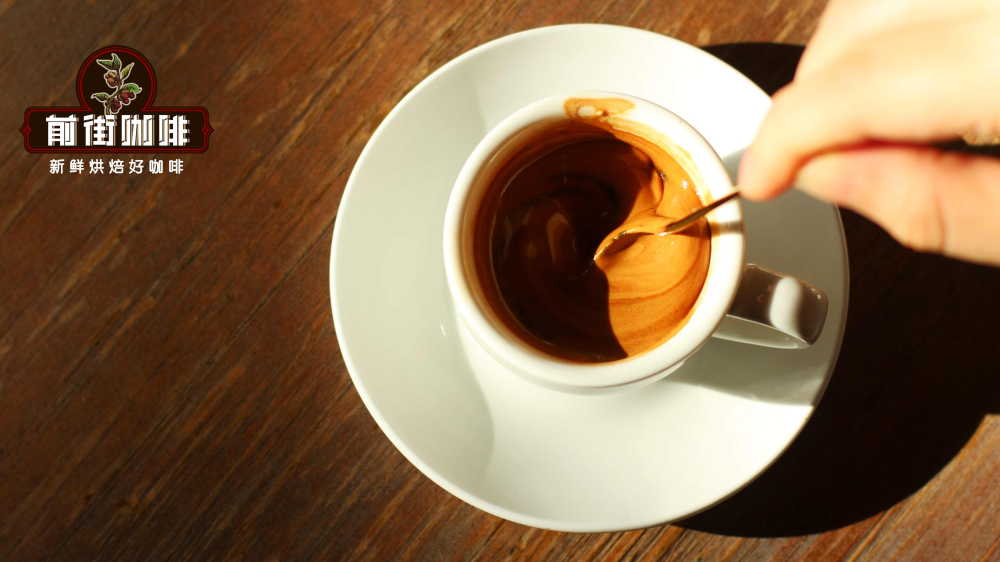
To produce an espresso with rich crema and outstanding flavor, in addition to precisely controlling various extraction parameters, choosing the right coffee beans is equally crucial. The origin, roast level, and processing method of the beans all directly affect the aroma and crema texture. If you want to replicate café-quality espresso at home, it’s recommended to choose a dark-roasted blend, which usually combines beans from different regions and can showcase both caramel sweetness and deep complexity. Due to its darker roast, it’s also easier to form stable and fine crema during extraction, making it suitable for both Americanos and milk-based drinks like lattes.
After understanding what constitutes a standard espresso, let’s explore two common extraction issues: “under-extraction” and “over-extraction.” Over-extraction is typically characterized by dark-colored coffee liquid and crema, sometimes with visible large bubbles on the surface, longer overall extraction times (often exceeding one minute), and often no first drip appearing within the expected time frame. These issues often stem from too fine a grind, excessively high water temperature, excessive extraction pressure, or over-tamping, and flavor-wise, they tend to exhibit pronounced bitterness and astringency, with a rough mouthfeel.
Conversely, under-extraction refers to the failure to fully release the aromatic compounds in the coffee. Common features include lighter-colored coffee liquid (close to yellow), thin or even absent crema, overly short extraction times (such as completing extraction in just 15 seconds), and fast, watery flow during pressurized extraction rather than the expected thick, slow stream. Such extractions usually come with a low extraction yield (below 18%), resulting in a thin flavor profile lacking complexity and aftertaste.
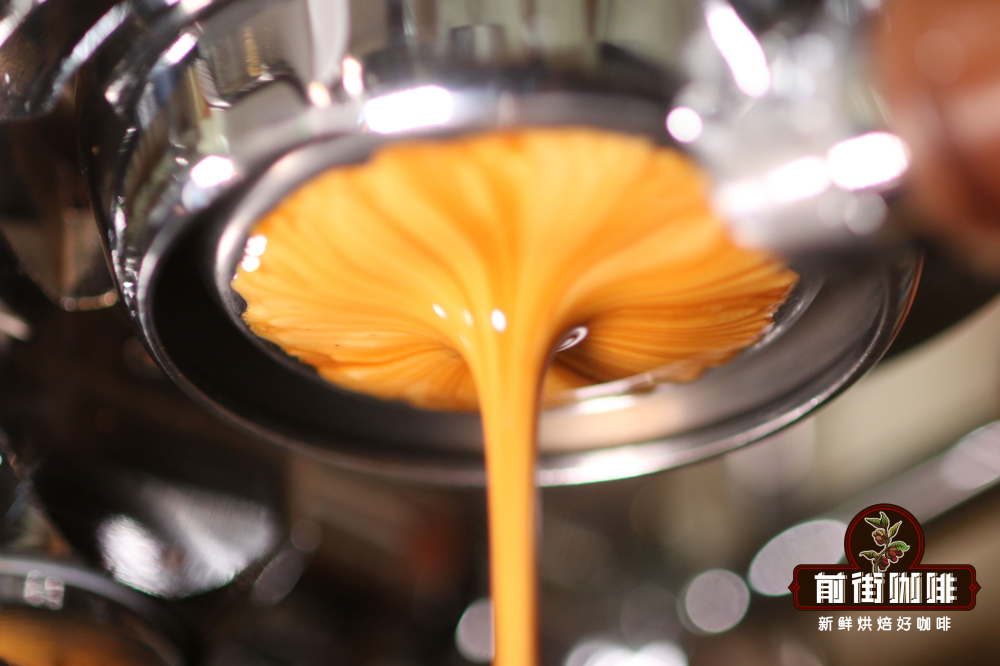
Beyond theoretical extraction imbalances, practical operations often encounter specific problems, such as one-sided dripping when using a double-spout portafilter. This phenomenon may stem from three main causes: First, check if the machine’s group head shower screen is clogged or has residue—if water flow is visibly biased to one side, clean the shower screen and group head immediately. Second, observe whether the compacted coffee puck is level after tamping; if one side is higher than the other, water will preferentially flow through the lower-resistance side, causing uneven flow. Lastly, don’t overlook whether the espresso machine or the work surface is level—if the machine itself is tilted, even if the first two factors are fine, liquid may still drip from the lower side first.
Another common issue is crema clumping. Crema is formed under high pressure and temperature when air combines with soluble coffee fats to create a delicate foam layer, but if the coffee beans are too fresh and still contain excess carbon dioxide, it can cause excessive and coarse crema formation. As these gases dissipate over time, the crema may solidify and clump. A recommended solution is to let freshly roasted beans rest for several days, allowing the degassing period (typically around 7–14 days) to pass before use. This helps achieve a homogeneous and fine crema layer.
Additionally, many coffee lovers may notice that the crema on the surface of espresso occasionally shows dark spots resembling tiger stripes—this is known as “tiger-stripe crema.” This phenomenon is often caused by excessive fine coffee particles from the grinder, enlarged portafilter basket holes, too high extraction pressure, or a mismatch between grind coarseness and tamping weight, leading fine particles to migrate into the coffee liquid and form dark spots on the crema. While tiger-striping has limited impact on flavor, it can sometimes make the mouthfeel slightly rougher. It’s advisable to periodically check the condition of the grinder burrs and the cleanliness of the portafilter basket to maintain stable extraction quality.
The above content is compiled by CoffeeHunters, a coffee news website.


