








Introduction:The Tarrazú region of Costa Rica is renowned for its high altitude, washed processing, and SHB grade, producing classic coffees with clean flavors and gentle acidity. This article delves into the geographical environment, growing conditions, and variety characteristics of Tarrazú, compares the flavor differences between washed and anaerobic honey processed methods, and provides standard pour over parameters and techniques to help coffee enthusiasts better understand the brewing performance and unique fruity notes of this everyday bean.
Costa Rica is a globally recognized specialty coffee origin, and the Tarrazú region is particularly famous for its high-altitude cultivation, washed processing, and premium SHB (Strictly Hard Bean) grade beans. The coffees from this area not only feature bright acidity but also exhibit a balanced and layered flavor profile, making them a top choice for both beginner and advanced coffee drinkers.
According to the classification by ICAFE, the official Costa Rican institution, the country has eight major coffee-growing regions, including Tarrazú, West Valley, Tres Ríos, Guanacaste, Turrialba, Orosi, Brunca, and Central Valley. These regions are spread across varying altitudes and microclimates, with diverse growing conditions that give rise to a rich variety of coffee profiles. Among them, Tarrazú, located southeast of the capital San José, benefits from its high-altitude terrain and favorable ecological environment, yielding compact, bluish-hued Arabica beans.

Situated at elevations above 1,500 meters, with some areas reaching up to 2,000 meters, Tarrazú features volcanic soil terrain, a cool climate, and significant day-night temperature variation, which helps coffee cherries ripen slowly and accumulate richer flavor compounds. The soil, primarily composed of sedimentary rock, is slightly acidic. Additionally, most farms are shaded by trees, which not only reduce direct sunlight exposure but also provide a biodiverse microhabitat, further enhancing coffee quality. The average coffee farm size here is about 2.5 hectares, mostly family-run smallholdings, with 95% of the production meeting the SHB grade—indicating hard, dense beans capable of withstanding the challenges of high-altitude cultivation.
In terms of varieties, the Tarrazú region commonly grows Caturra and Catuaí, two Arabica cultivars known for their good disease resistance, stable yields, and ability to express bright acidity along with citrus and stone fruit notes. The Tarrazú coffee beans selected for this region are meticulously processed using the washed method at altitudes exceeding 1,500 meters, all graded as SHB.
Washed processing is the most traditional and widely used method in Costa Rica. The process involves removing the coffee cherry pulp, then fermenting the mucilage-covered beans in water tanks, followed by thorough rinsing with clean water, and finally drying either in the sun or using mechanical dryers. This method significantly reduces impurities and unwanted flavor interference, highlighting the terroir characteristics of the region and delivering clean, refreshing, and well-defined acidic-sweet profiles. For those seeking classic Costa Rican flavors—such as soft fruit acidity, dark chocolate aftertaste, and delicate floral notes—washed Tarrazú is an excellent choice.
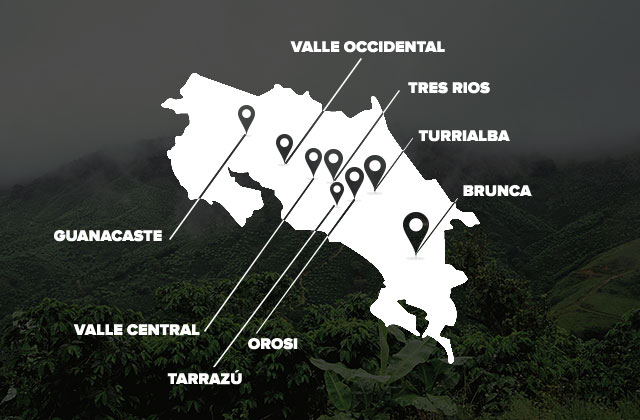
Beyond washed processing, Costa Rica has actively developed various specialty processing methods in recent years, among which anaerobic honey processing is particularly innovative. Take, for example, the Blueberry from Finca Piedra Grande in the Brunca region—a coffee that, through anaerobic fermentation technology, showcases intense fruitiness distinctly different from traditional washed profiles. Brunca is located in southern Costa Rica, within a high-altitude and humid microclimate zone that includes the Talamanca Mountain Range, with temperatures consistently maintained between 18–26°C, making it highly suitable for coffee cultivation.
Honey processing is a method situated between washed and natural (sun-dried) processing, with the key being the retention of varying levels of coffee fruit mucilage (sticky layer) before sun drying. Based on the proportion of mucilage retained, common classifications include white honey (80–90% mucilage removed), yellow honey (around 50% retained), red honey (80–90% retained), and black honey (almost all mucilage retained). However, anaerobic honey takes this further by incorporating anaerobic fermentation technology, controlling oxygen supply in a sealed environment to encourage the development of more complex aromatic compounds during fermentation, followed by greenhouse and sun bed drying—resulting in a flavor profile that is richer and more layered.
In terms of actual brewing performance, using a V60 filter, a water temperature of 91°C, a brew ratio of 1:15 (15g coffee), and a grind size passing 80% through a 20-mesh sieve from China, the recommended brewing technique is as follows: start with a 30-second bloom using 30g of water, then pour in a circular motion with a slow stream until reaching 125g for the first pour. When the water level drops and begins to expose the coffee bed, continue pouring to 225g before stopping. Remove the V60 just before the coffee bed is fully exposed, with total brew time around 2 minutes. These parameters are suitable for most pour over enthusiasts and can fully highlight the coffee’s details and balance.
Under these parameters, washed Tarrazú exhibits clean, refreshing acidity, with a flavor profile dominated by soft dark chocolate, delicate citrus, and light floral notes. The mouthfeel is smooth, and the aftertaste is long-lasting—a standard everyday bean that embodies the classic characteristics of the region. In contrast, the anaerobic honey processed Finca Piedra Grande Blueberry presents distinct blueberry gummy, minty herb, and berry fruit notes, with a bold and distinctive flavor profile ideal for those who enjoy specialty processing methods and intense fruity aromas.
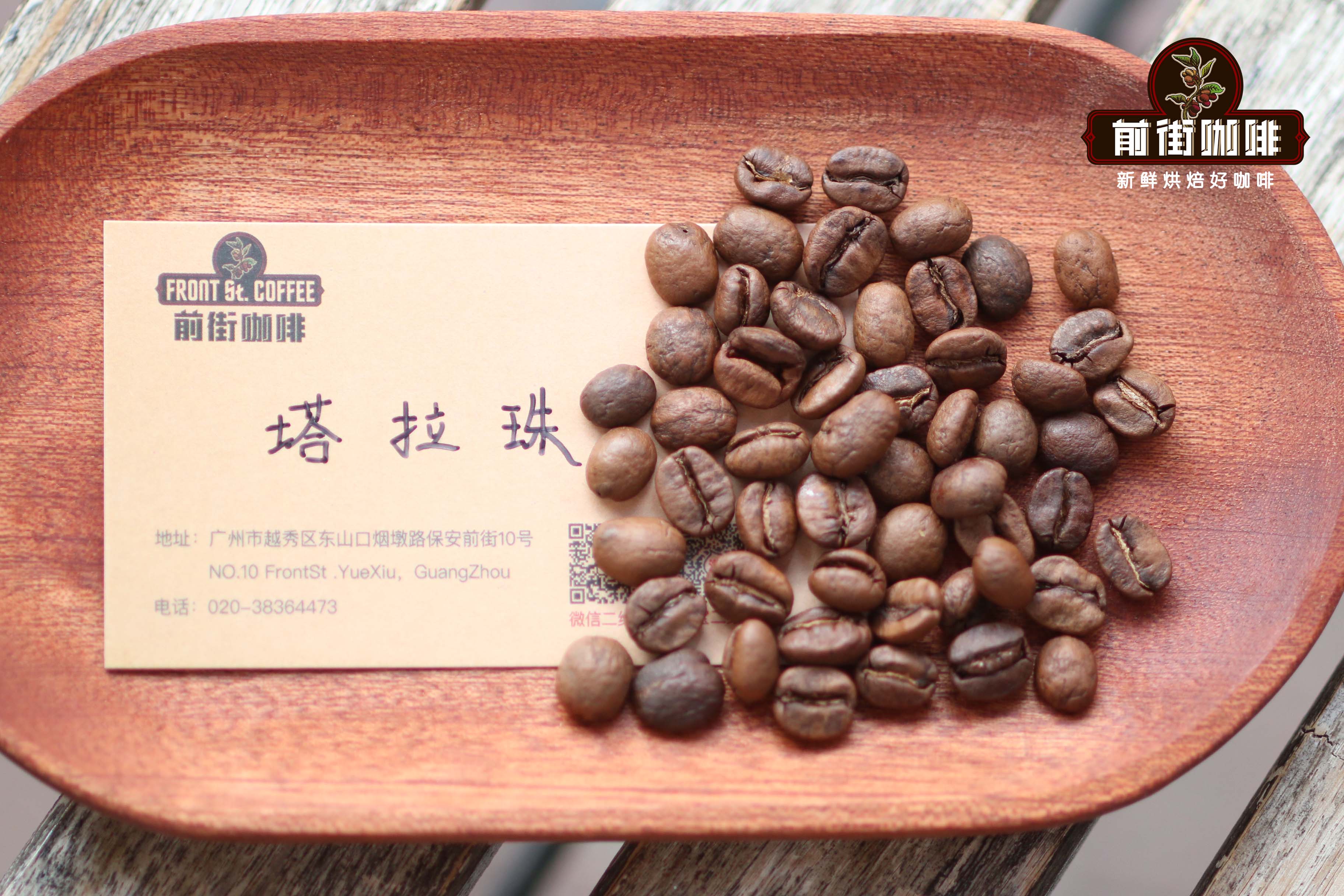
In summary, Costa Rica Tarrazú SHB coffee beans, with their high-altitude cultivation, washed processing, and consistent quality, are an ideal choice for many coffee lovers exploring specialty coffee. Whether you prefer the clean and fresh flavors of the washed version or wish to explore the bold fruity notes of the anaerobic honey process, you can experience the unique charm of Costa Rican coffee. Mastering the correct brewing parameters and techniques will further bring out its nuanced acidity and rich complexity.
The above content is compiled by CoffeeHunters, a coffee news website.


