








Introduction:Struggling to make an iced mocha at home that’s as smooth and rich as Starbucks’, but always ending up with either weak chocolate flavor or overly sweet results? The key lies in the golden ratio of chocolate syrup and unsweetened cocoa powder. This article dives deep into the essential techniques for both iced and hot mochas, teaching you how to balance sweetness and chocolate notes perfectly. We’ll also recommend classic dark roast blends ideal for making mochas, guiding you step-by-step to replicate a professional-level taste.
Recently, more and more coffee enthusiasts have developed an interest in mochas. However, many find that store-bought mochas either lack distinct chocolate flavor or are overly sweet and cloying, making it hard to achieve a balance of richness and freshness. This issue often stems from the high sugar content in commercial chocolate sauces, which makes it difficult to create a layered flavor profile with just the sauce alone. The solution is simple: pair it with unsweetened cocoa powder. This not only enhances the true chocolate taste but also prevents the drink from becoming too sweet overall.
The term “mocha” originally refers to an espresso-based drink with added chocolate, aiming to recreate the distinctive rich chocolatey notes of coffee from Yemen’s Mocha port. For convenience, many people use store-bought chocolate syrup. While it allows for quick preparation, since the sugar and chocolate are pre-mixed, it’s hard to adjust their proportions individually. If you find it not strong enough and add more, it will only make the drink excessively sweet, disrupting the balance.
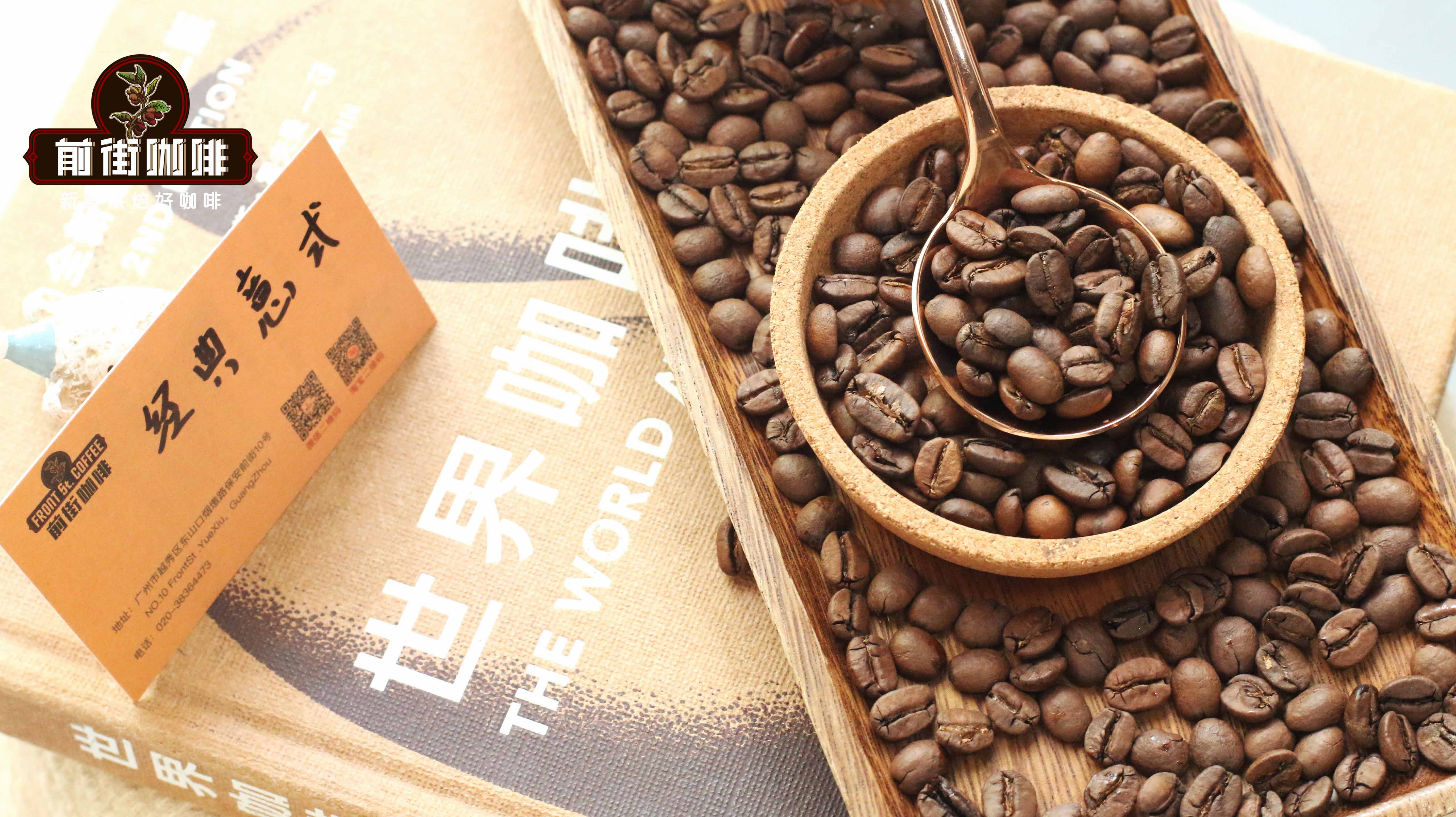
In addition to the flavoring sauce, the choice of coffee beans is equally important. It is recommended to use a classic dark roast Italian-style blend made up of beans from Brazil, Indonesia, and Vietnam. These beans naturally possess a base flavor of chocolate and caramel, along with rich crema, making them capable of delivering a full-bodied taste whether used for mochas or lattes. Ideal for coffee lovers who enjoy bold flavors.
To make a satisfying mocha, the key lies in mastering the balance between chocolate and sweetness. While chocolate syrup can quickly bring out the chocolate flavor, it’s recommended to also add unsweetened cocoa powder. This not only intensifies the flavor but also helps avoid excessive sweetness. This combination is the core of crafting a professional-grade mocha.
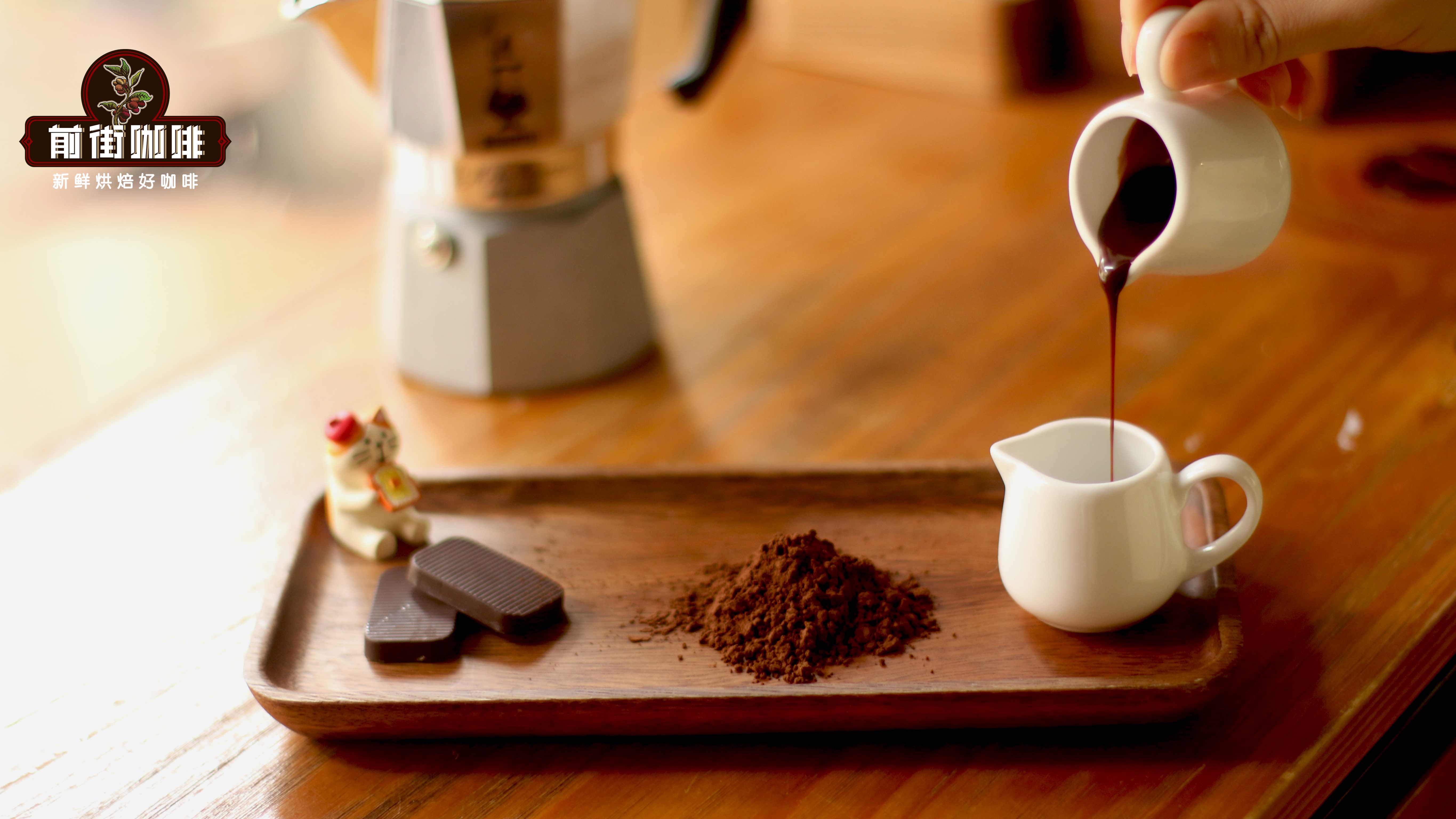
Because ice is added to an iced mocha, it inevitably dilutes the overall concentration. It is advised to adjust the ingredient proportions: increase the chocolate syrup to 20ml and the unsweetened cocoa powder to 8g, to make the chocolate base more intense and counteract the thinning effect after the ice melts. When preparing, first have the ice cubes ready (about 90g) and the milk (160ml), then pour the chocolate base on top.
As for the preparation process of a hot mocha, it’s slightly different. The required tools include: a coffee cup, a mixing cup (optional), a filter (optional), espresso, milk, chocolate syrup, and cocoa powder. First, prepare the chocolate espresso base: in the mixing cup, add 15ml of chocolate syrup (e.g., Da Vinci brand) and 5g of unsweetened cocoa powder (e.g., Valrhona brand). This ratio provides moderate sweetness and a rich chocolate flavor. If you prefer it sweeter, you can increase the chocolate syrup to 20ml.
Next, pour in a shot of espresso, using its heat to help the chocolate fully melt and mix evenly. It is recommended to use about 19.8g of coffee grounds to extract 38ml of liquid over approximately 28 seconds. After stirring, it’s suggested to use a filter to remove any undissolved cocoa powder particles to ensure a smooth texture. If you don’t mind the graininess, you can also mix everything directly in the cup.

To add aroma, you can optionally sift a small amount of cocoa powder on the surface to enhance both visual and olfactory layers. Then comes the milk frothing. For a hot mocha, it’s recommended to heat the milk to 60–68°C. This temperature helps bring out the natural sweetness of lactose while producing fine microfoam, improving the overall mouthfeel. The suggested ratio of milk to chocolate base is 4:1, meaning 200ml of milk with 50ml of chocolate base.
During the blending process, note that because the base is quite thick, it’s advisable to add more milk to improve fluidity, which aids in latte art or even mixing. This is also one reason why mochas are generally easier to pour with beautiful patterns compared to lattes. In the end, you’ll have a mocha that balances rich chocolate aroma with creamy milk notes, offering layers of flavor and a long-lasting finish.
Whether it’s an iced mocha or a hot mocha, the key lies in the precise balance between chocolate and sweetness, along with proper control of milk foam and temperature. With these, you can easily recreate a Starbucks-level professional flavor at home. Remember to choose the right coffee beans and get the ratios right—you can become a mocha master in your own kitchen.
The above content is compiled by CoffeeHunters, a coffee news website.


