







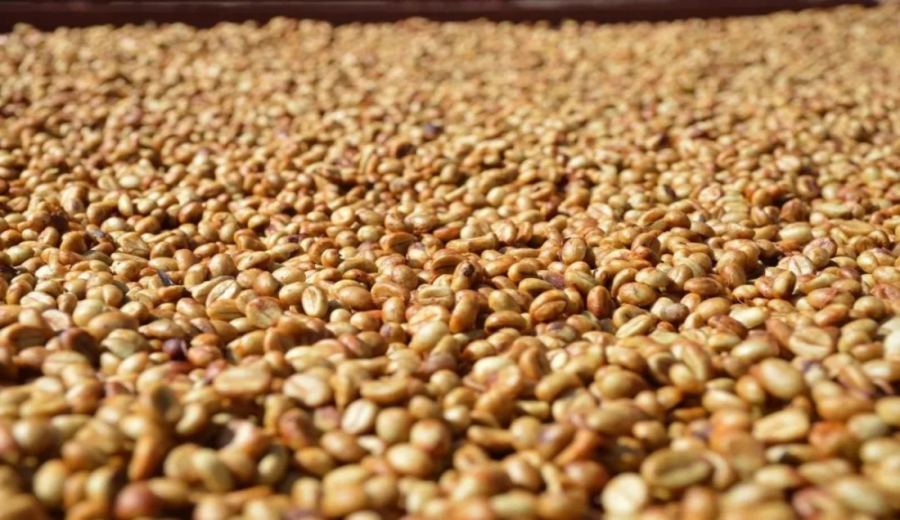
Introduction:As a coffee processing method that sits between natural and washed processes, the honey process is widely favored for its moderate water usage and richly sweet flavor profile. Originating in Costa Rica and spreading across Central and South America, the varying proportions of mucilage retention influence drying time, fermentation levels, and ultimately the cup characteristics. This article delves into the evolution, classification criteria, and practical processing differences of the honey process, helping you understand the flavor codes behind yellow honey, red honey, and black honey.
The honey process, known in English as Honey Process or Miel Process — with "Miel" being the Spanish word for "honey" — originates from Costa Rica. This method retains part of the fruit’s mucilage layer, which is rich in sugars. During drying, this mucilage ferments and influences the final flavor of the coffee, resulting in a sweetness more pronounced than that of washed coffee, yet with a cleaner acidity compared to traditional natural process.
The birth of the honey process was initially driven by the need to conserve water. Compared to the traditional washed process, which requires significant amounts of clean water for fermentation and washing, the honey process not only retains some mucilage to deliver unique flavors but also drastically reduces water consumption — typically saving about 40% of freshwater usage. It first emerged in Costa Rica, where traditional washed techniques were already highly developed. However, facing declining international coffee prices and water resource limitations, farmers began seeking alternatives, leading to the development of the honey process.
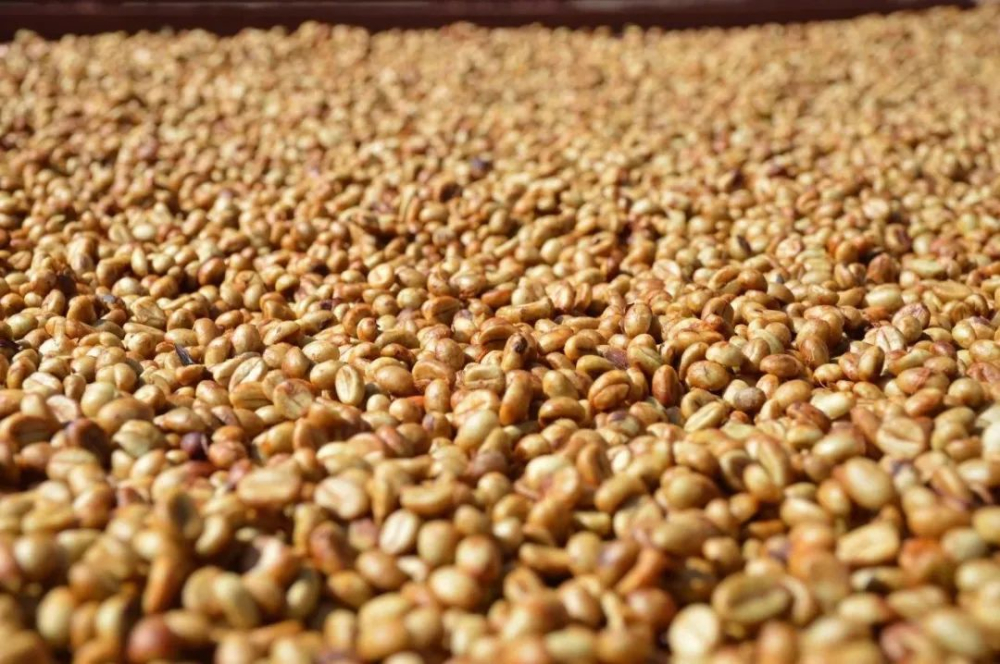
Although the concept of honey processing can be traced back to Brazil’s Pulped Natural (semi-washed) method, it was Costa Rican coffee farmers who truly popularized and named it the "honey process." According to records, in 2006, a farmer named Juan Ramón Alvarado won both the first and second places in the SCAA Costa Rica GOLDEN HARVEST green bean competition with two honey-processed coffees; the following year, in the first Costa Rica Cup of Excellence (CoE) competition, three honey-processed coffees ranked among the top five. By 2008, a major earthquake in the region left many processing facilities without electricity or water, prompting more farmers to adopt this water-saving method. This shift also drew increasing international attention to the honey process.
So, how is the honey process categorized? The key lies in the "mucilage retention level" and the "drying method." The drying period for honey process generally ranges from 2 to 4 weeks — longer than washed but shorter than natural — and based on the proportion of mucilage retained, it is divided into four main types: white honey, yellow honey, red honey, and black honey. Each type shows notable differences in sweetness, acidity, body, and drying difficulty.
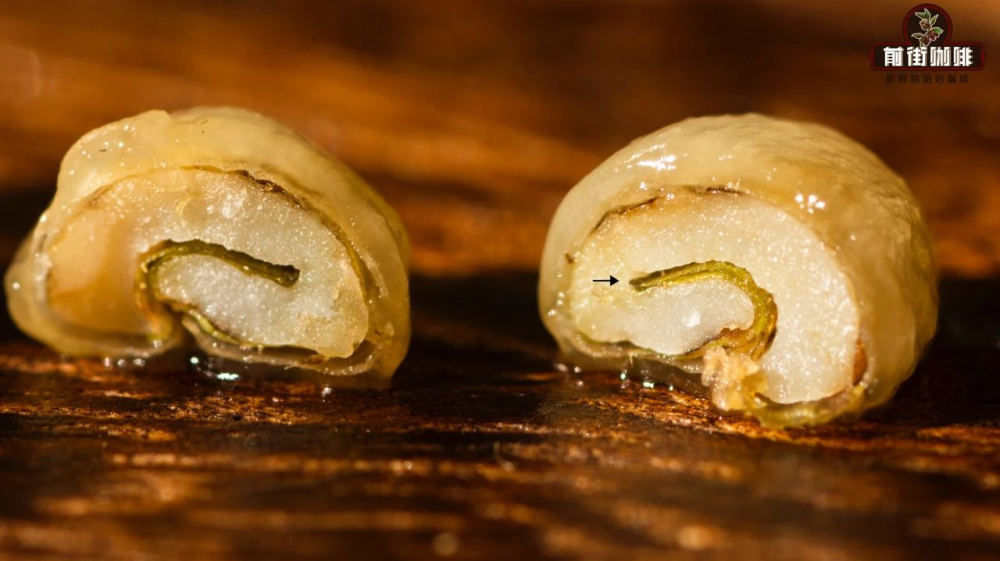
The mucilage is located between the coffee fruit’s skin and the parchment layer. It is a viscous substance composed of water, sugars, proteins, and pectin, containing a high concentration of natural sugars, and has a significant impact on coffee flavor. During the honey process, farmers select different mucilage retention levels according to desired flavor profiles, then manage drying speed, agitation frequency, and shading to guide fermentation, ultimately shaping the unique cup characteristics.
Let’s start with black honey, which retains the most mucilage — often up to 80% or more. Due to its high sugar concentration, it requires the longest drying time, usually around 14 days or even longer, and must avoid direct sunlight, typically being shaded or sun-dried indirectly to allow sugars to slowly penetrate the seed. As a result, black honey coffee often exhibits intense fermentation aromas, prominent sweetness, full body, and is the honey process type closest in flavor to the natural process, though it also carries relatively higher risks and demands strict control of fermentation conditions.
Red honey retains approximately 50% to 80% of the mucilage and is the most common type of honey process on the market. Compared to black honey, its drying time is slightly shorter, around 12 days, but still requires careful management of temperature and humidity. It is typically agitated once a day to prevent over-fermentation or uneven drying. Red honey processed coffee usually presents intense fruity aromas, moderate acidity, and notable sweetness with layered complexity, making it a favorite among many specialty coffee enthusiasts.
Yellow honey retains a lower proportion of mucilage, between 15% and 50%, and requires considerable sun exposure during drying, usually taking only about 8 days. With less mucilage, the drying process is faster and requires more frequent turning to ensure even heat distribution. Yellow honey coffee tends to have a cleaner, more refreshing flavor, with light notes of rice and herbs, bright acidity, and is well-suited for consumers who prefer a lighter-bodied taste.
Finally, white honey retains the least amount of mucilage, usually only 10% to 15%, almost approaching the washed process. The drying period for white honey coffee is the shortest, about 6 to 8 days, and the beans are spread in thin layers and frequently turned to prevent mold or over-fermentation. This type of coffee features a simpler flavor profile, with herbal and mild fruity notes, and is ideal for those who prefer clean, low-fermentation characteristics.
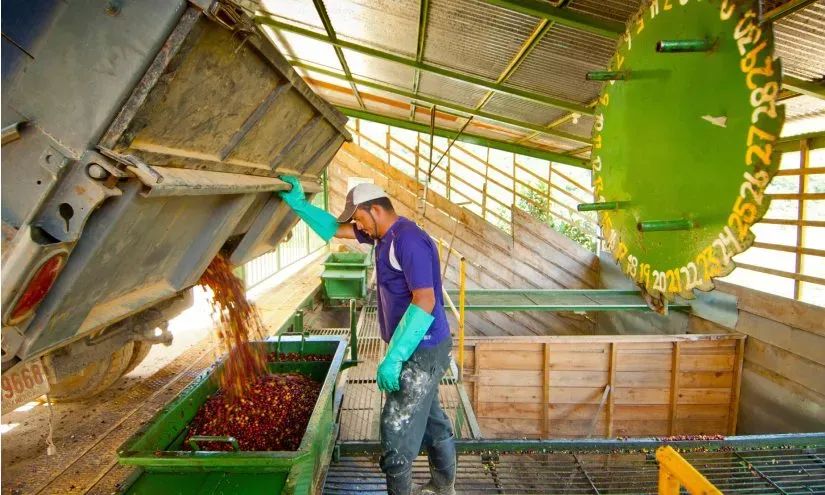
It’s worth noting that although the industry commonly uses color to distinguish honey process types, there is currently no unified international standard. Definitions of "red honey" or "yellow honey" may vary between regions or processing facilities, so beans with the same label may exhibit different flavor profiles. Additionally, weather conditions during drying, agitation frequency, and shading methods can all significantly affect the final outcome.
In summary, the honey process achieves a balance between natural and washed methods by precisely controlling mucilage retention and drying parameters. It showcases rich sweetness and fruity notes while maintaining clear acidity and a clean flavor profile. Whether you’re a beginner in the coffee world or an extraction enthusiast pursuing complex flavors, understanding the classifications and processing details of the honey process can help you select your ideal beans more accurately and bring out their best potential during brewing.
The above content is compiled by CoffeeHunters, a coffee news website.


