







Introduction:Even within Ethiopia's Yirgacheffe, differing processing methods can yield completely distinct coffee experiences. Washed Yirgacheffe is renowned for its bright acidity and floral notes, while the natural version showcases intense fruitiness and a full-bodied mouthfeel. This article delves into the craftsmanship differences, grading standards, and flavor profiles of the two processing methods, and offers practical V60 pour-over recommendations to help you find your perfect match.
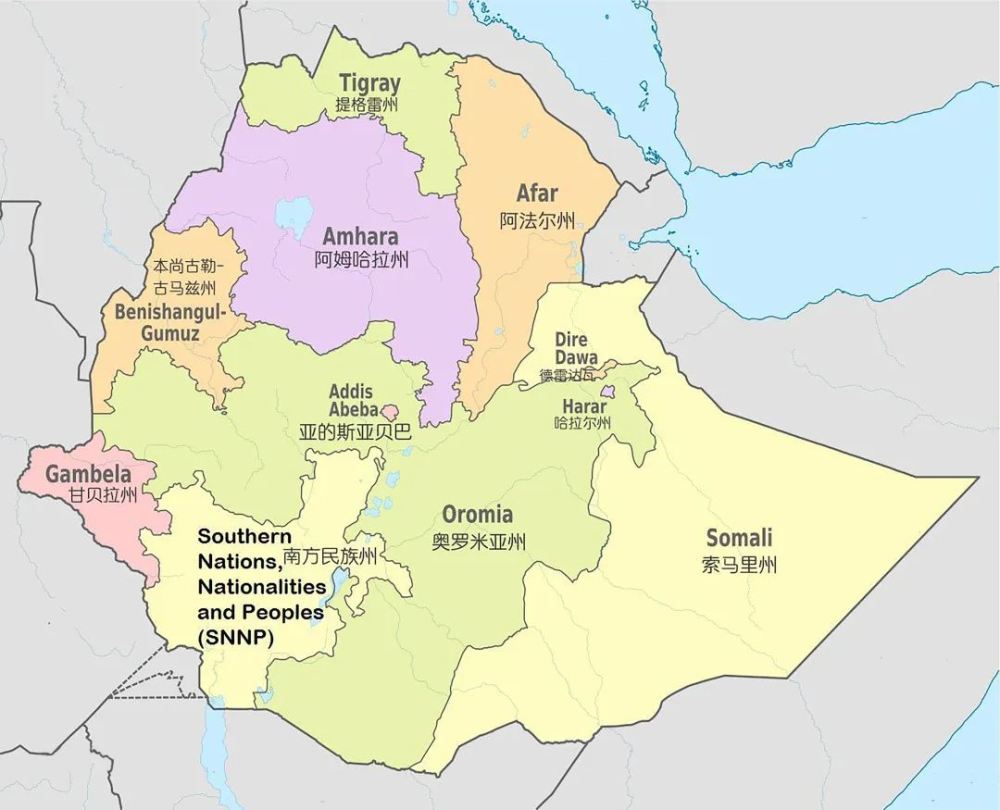
Yirgacheffe, a highland region in Ethiopia situated at an altitude of approximately 1,700 to 2,100 meters, is not only a renowned coffee town but also a dream origin for specialty coffee enthusiasts worldwide. With its cool, moist climate, year-round mist, and nourishment from water sources such as Lake Turkana, it fosters a unique coffee terroir. Notably, even within the same region, Yirgacheffe can exhibit vastly different flavor characteristics through the two primary green bean processing methods: washed and natural.
Let’s start with the processing techniques. Washed Yirgacheffe involves water and fermentation steps to precisely remove the skin, pulp, and mucilage, leaving the bean surface smooth. The processed beans are still enclosed within the parchment layer, with a moisture content as high as 50%, which must then be reduced to around 12% through drying to prevent continued fermentation and mold. A common and highly effective drying method is sun drying, which, although it takes about 1 to 3 weeks, imparts superior flavor qualities—making it the preferred choice. This method results in washed Yirgacheffe typically characterized by bright acidity, clear aromas, and good body. In terms of grading, it falls under Gr-1 and Gr-2 categories, where the lower the number, the higher the quality. For example, G1 washed Yirgacheffe, with its prominent citrus notes and floral aromas, is a top choice for many coffee lovers.
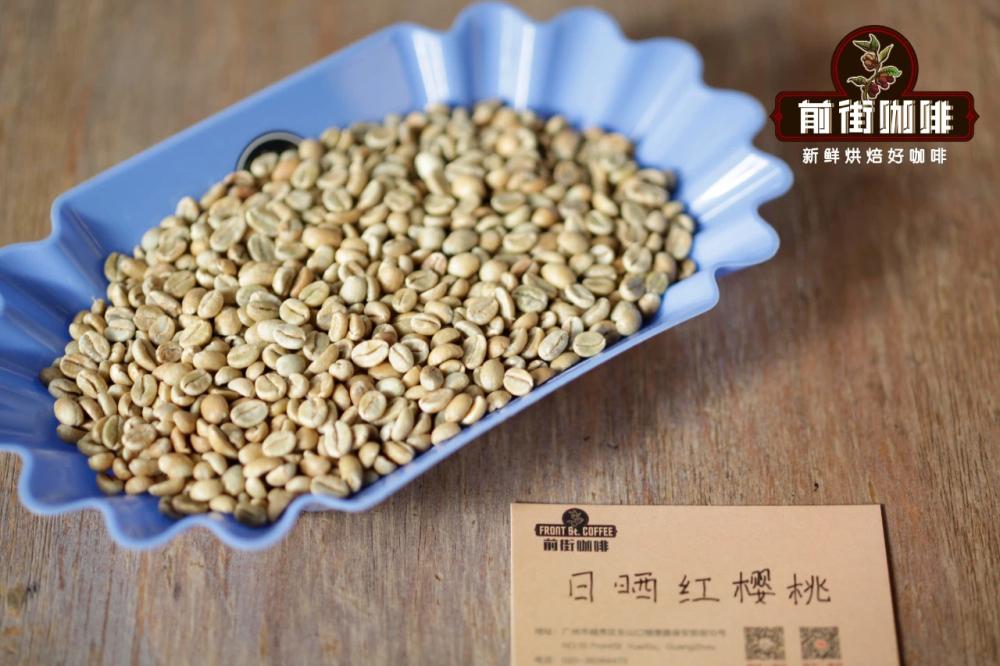
In contrast, natural Yirgacheffe employs a more traditional process—after harvesting, the coffee cherries are not depulped or deseeded but are instead directly subjected to prolonged sun drying, usually lasting about 4 weeks. This method demands strict environmental and operational control, requiring precise regulation of temperature and humidity to ensure the coffee’s flavors remain unspoiled. Natural processing endows the beans with a more holistic natural richness, soft yet layered aromas, and a relatively heavier mouthfeel. Its grades are divided into Gr-1, Gr-3, Gr-4, and Gr-5, with Gr-1 also representing top-tier quality. For instance, G1 natural Yirgacheffe exudes intense fruitiness the moment the bag is opened, completely redefining many people’s preconceptions about coffee.
In actual tasting, the flavor differences between the two processing methods become even more apparent. Natural Yirgacheffe often carries a subtle fermented wine-like aroma, with slightly more pronounced bitterness, a rich and layered mouthfeel, honey-like sweetness accompanied by cocoa undertones, and occasionally a hint of spice. It has a full body and a long finish. In contrast, washed Yirgacheffe displays a brighter acidity, akin to the freshness of lemon, with particularly prominent citrus aromas, and a soft tea-like sensation in the latter part reminiscent of black tea. Both possess fruity acidity traits, commonly featuring notes like lemon and citrus, but these are expressed differently.
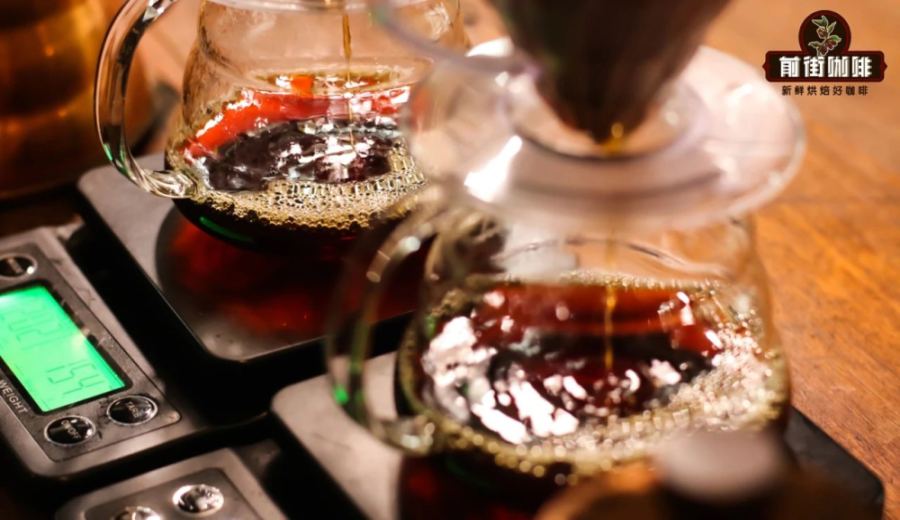
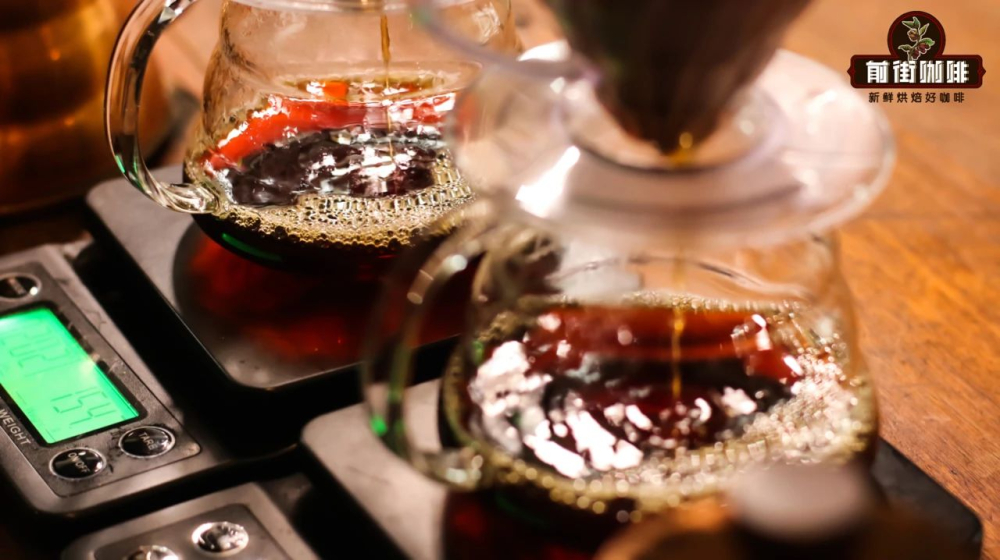
If we talk about optimal brewing methods, pour over and siphon are ideal for highlighting Yirgacheffe’s flavors. Take the V60 pour over as an example: it is recommended to use 15 grams of coffee grounds, with water temperature controlled at 92°C and grind size similar to fine sugar. The coffee-to-water ratio is about 1:15. Begin with a 30-second bloom using 30 grams of water, followed by pulse pouring—first pour up to 125 milliliters and pause, then slowly pour up to 240 milliliters. With this extraction, the washed version highlights strawberry-like fruit acidity and a tea-like finish, while the natural version presents a unique translucent orange-red hue, showcasing distinct flavor layers from hot to cold, with even the empty cup emitting a rich, wine-like fruity aroma.
In summary, the difference between washed and natural Yirgacheffe is not just about processing methods—it directly reflects in the expression of aroma, acidity, sweetness, and mouthfeel. Whether you prefer bright, floral fruit tones or deep, fermented richness, understanding these key distinctions and practical brewing parameters will enable you to more accurately select or brew your ideal cup of Yirgacheffe.
The above content is compiled by CoffeeHunters, a coffee news website.


