







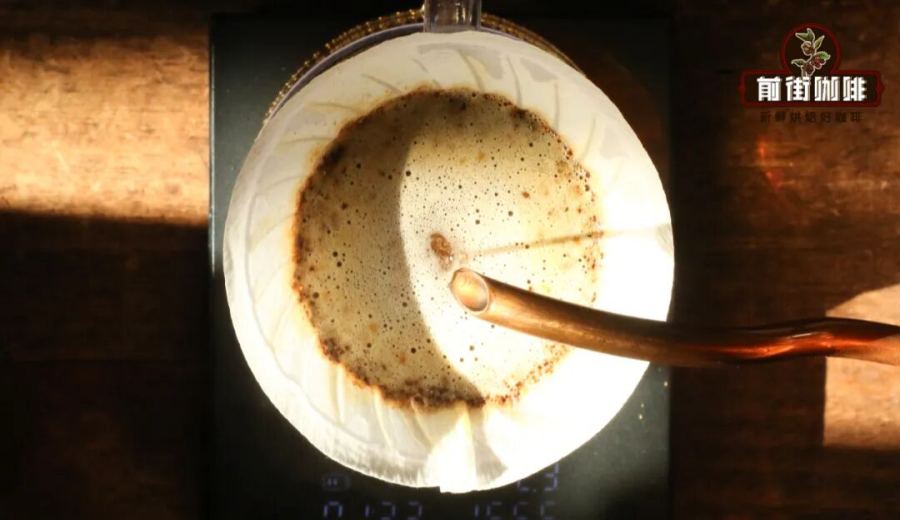
Introduction:Yirgacheffe is a classic coffee-growing region beloved by specialty coffee enthusiasts, renowned for its distinctive citrus and floral flavor profiles. This article delves into the unique characteristics of the Yirgacheffe region, with a special focus on the flavor profile of the Kochere sub-region, and explains in detail how washed processing shapes the classic "Yirgacheffe taste." It also provides practical pour-over parameters and steps to help you avoid common extraction issues and bring out bright acidity and a tea-like finish.
When it comes to specialty coffee, many people immediately think of Yirgacheffe. This Ethiopian region has carved out a niche in the global coffee market thanks to its unique flavor expression and high recognizability. However, successfully extracting the essence of Yirgacheffe is no easy feat, and even many experienced baristas have faced challenges such as paper filter clogging or lackluster flavors. This article will take you deep into how to precisely pour over Yirgacheffe and interpret what the true "Yirgacheffe taste" really means.
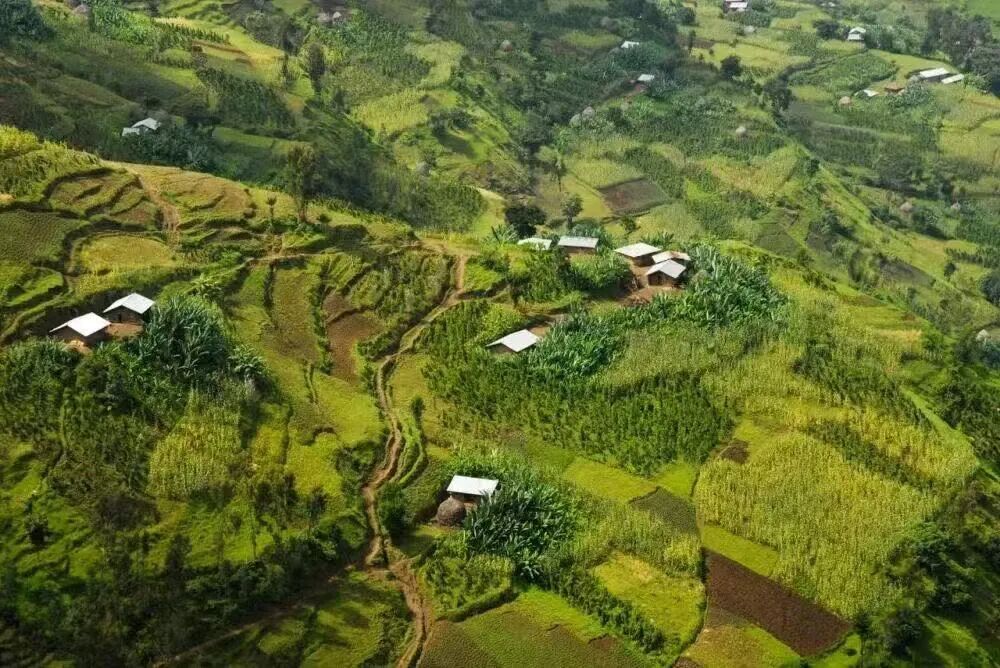
The so-called "Yirgacheffe taste" refers to the unique coffee flavor characteristics nurtured by this high-altitude region. Yirgacheffe is located in central Ethiopia, at an altitude of about 2,000 meters, making it one of the highest-altitude coffee-growing areas in the country. The high-altitude environment extends the ripening period of coffee cherries, allowing the fruit to accumulate richer sugars, which in turn transform into complex and layered flavor compounds. In addition, the local terrain and traditional farming systems provide ideal growing conditions for coffee trees.

Originally part of the Sidamo region, Yirgacheffe was later designated as a standalone region due to its uniquely distinctive flavor profile, quickly becoming one of Ethiopia’s most representative coffee-producing areas. Kochere, meanwhile, is a small sub-region in the southwestern part of Yirgacheffe, near the village of Chelelektu, situated within the Gedeo Zone. Coffees from Kochere often exhibit bright citrus notes, stone fruit aromas, and an elegant tea-like body. With the specialty coffee community’s increasing emphasis on regional granularity, Kochere has gradually become a focal point for enthusiasts to explore.
When discussing Yirgacheffe, one cannot overlook its classic washed processing method. The well-known "Yirgacheffe taste" primarily stems from the bright acidity and fruity-floral aromas presented by this processing style. In the early days, most Ethiopian coffee was processed using the natural (sun-dried) method, but due to technical and management limitations, sun-dried coffees often suffered from high defect rates and unstable flavors. To improve quality, the Ethiopian government introduced washed processing technology in 1972 and established the first washing station in the town of Yirgacheffe. This move significantly reduced defect rates while preserving the coffee beans' original flavor characteristics: crisp lemon acidity, gentle white floral notes, and a clean green tea finish—qualities that coffee enthusiasts rave about as the "Yirgacheffe taste."
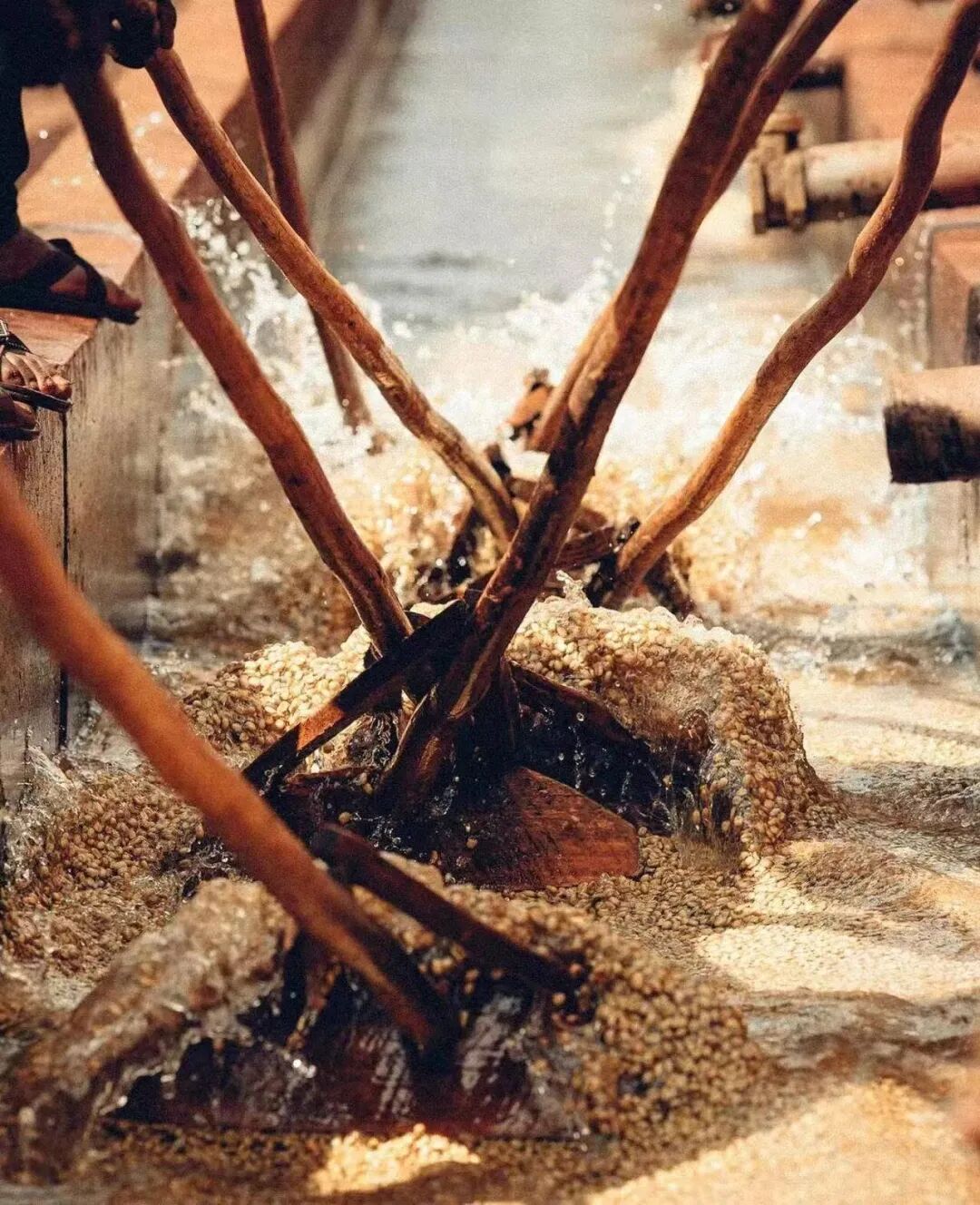
It’s worth noting that not all coffee produced in Yirgacheffe possesses this classic flavor; washed processing plays a key role in shaping these traits. Because washed processing effectively controls the fermentation process and avoids the off-flavors caused by over-fermentation, the inherent flavor of the coffee can be highlighted. For a long time, the Yirgacheffe region has favored washed processing as its mainstream method, closely associating the region’s coffee with washed flavor profiles, making it a top choice for many coffee newcomers.
However, successfully pouring over the essence of Yirgacheffe is no small challenge. Many coffee enthusiasts, when trying it for the first time, often encounter issues such as thin flavors, prominent bitterness, or uneven extraction. These problems often stem from the high density of Yirgacheffe coffee beans. Grown at high altitudes, the beans accumulate rich substances, and most are lightly roasted, resulting in a tight bean structure that is not easily penetrated by hot water. For hand grinders, high-density beans also add to the difficulty of grinding.

If the hot water fails to effectively wet the coffee bed, channeling can easily occur, affecting extraction uniformity; at the same time, high-density beans are also prone to clogging the filter paper, leading to prolonged extraction times and, consequently, over-extracted bitterness. To overcome these issues, it is recommended to use a higher water temperature and a finer grind size to improve extraction efficiency and fully release the coffee’s aroma and acidity. Additionally, when pouring, control the height to avoid overly vigorous agitation of the coffee bed, and employ techniques such as segmented pouring and small water streams to prevent channeling and over-extraction.
Below is a practical pour-over demonstration using Yirgacheffe washed beans with the typical "Yirgacheffe taste." Recommended extraction parameters are as follows: 15 grams of coffee, grind size reference Ek43’s 10th notch or 20-mesh sieve at 75%, roughly equivalent to the coarseness of granulated sugar; a 1:16 coffee-to-water ratio, with water temperature controlled at 92°C, using a four-stage pour-over method.

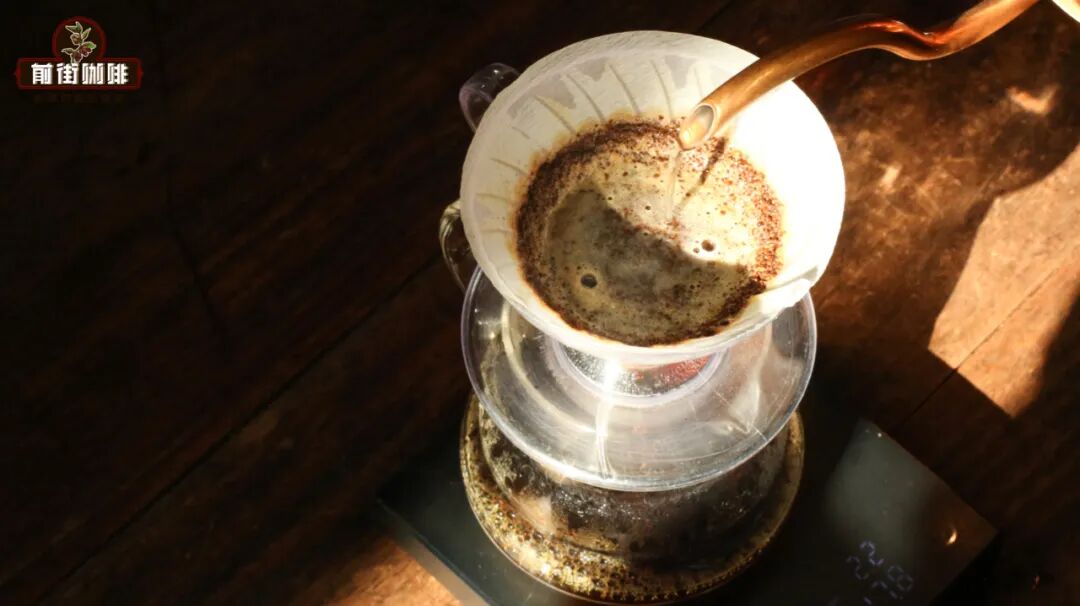
Step 1: Pour 30 ml of hot water for blooming, for about 30 seconds, to initiate the release of aromatic compounds from the coffee grounds. After blooming, proceed to the second pour, slowly circling and pouring 90 ml, while controlling the pour height to avoid excessive water level that could cause channeling.
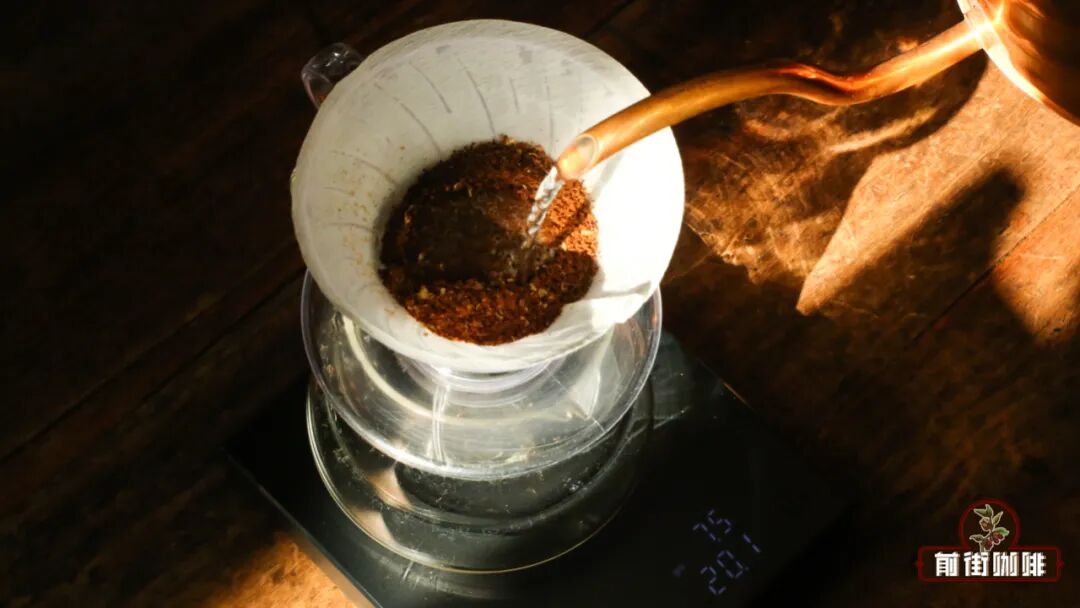
Once the second pour has drained, proceed to the third pour, adding half of the remaining water, about 60 ml, using a small stream and small circles to ensure even extraction. Finally, when the water level is nearly drained, perform the fourth pour, also adding 60 ml, adjusting the pouring method based on time: if the total time has not yet reached two minutes, continue with a small stream and small circles; if it has exceeded two minutes, switch to a small stream with a fixed-point pour.
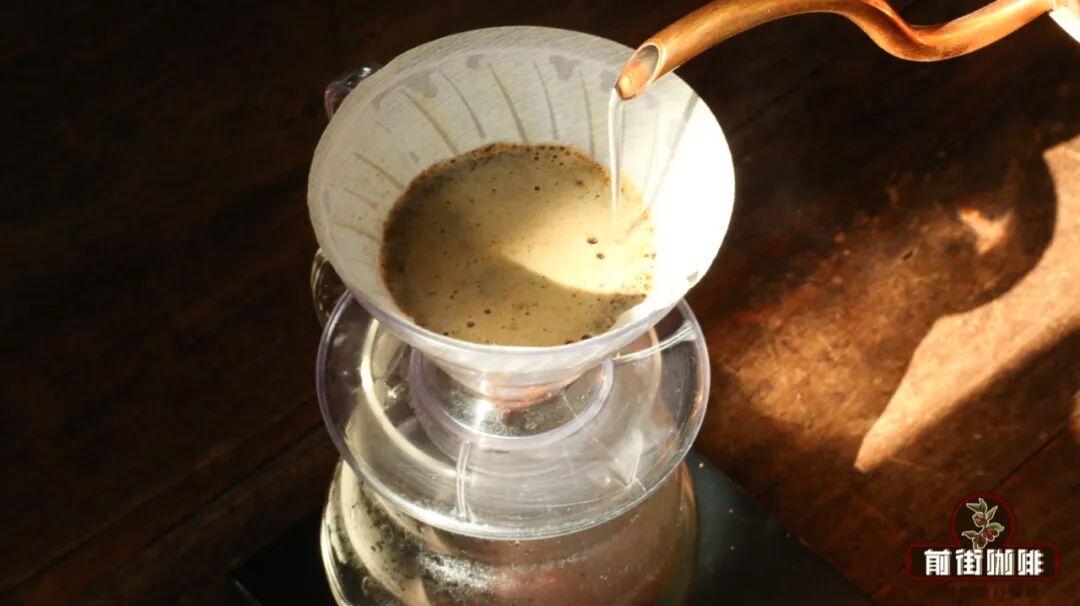
After completing all pours, wait for the coffee to fully drip through, with a total extraction time of approximately 2 minutes and 28 seconds. This coffee emits delicate white floral aromas in the wet aroma stage; upon tasting, you can clearly perceive bright lemon and jasmine notes, accompanied by apricot and citrus fruit flavors, with a honey-like sweetness and green tea freshness in the aftertaste. The overall mouthfeel is clean, bright, and vibrant, with lively and layered acidity.
By mastering the correct extraction parameters and techniques, you too can easily pour over a cup of distinctly flavorful Yirgacheffe at home, experiencing the unique charm of this high-altitude Ethiopian coffee region.


The above content is compiled by CoffeeHunters, a coffee news website.

