








Introduction:Geisha (Geisha) coffee is hailed as a legendary variety in the specialty coffee world, renowned for its unique floral aroma and citrusy profile, and has repeatedly won top honors in international competitions. But do you know why it’s so expensive? How much should you budget for a pour over cup of Geisha? This article delves into the origins, genetic evolution, and flavor profile of Geisha, and provides actual market prices and brewing references to help you better understand the charm and value of this premium coffee bean.
Geisha (Geisha) coffee is arguably one of the most famous varieties in the specialty coffee realm, known for its delicate floral notes, bright citrus acidity, and honey-like finish. This coffee originally comes from the southwestern part of Ethiopia, Africa, where it was just one of the local wild varieties. It was first collected in 1932 by a British man in a region called Geisha, and was brought to Kenya for research—hence the name. Over the following decades, these seeds were gradually introduced to Tanzania, Uganda, Costa Rica, and other places, primarily for disease resistance and adaptability studies.
It wasn’t until 1963 that some of these seeds were brought to Panama by coffee farmers there, who attempted to cultivate new varieties suited to the local environment. After decades of cultivation and natural selection, these coffees gradually developed flavor characteristics vastly different from the original variety under the unique microclimate of Panama’s high-altitude mountain regions. It wasn’t until 2004, when the owner of Hacienda Esmeralda, Daniel, entered it into a competition, that it stunned the global coffee community.

That year, this coffee exhibited unprecedented complexity in the competition, including distinct aromas of jasmine, lemon, honey, and tea. Judges even described it as “God in a cup.” It went on to win the championship for four consecutive years and set astonishing records in the auction market. In fact, the reason Geisha stands out is its extreme pickiness regarding growing conditions—it can only develop such soft yet layered flavors in Panama’s high-altitude regions with meticulous field management.
Compared to typical Panamanian coffees, Geisha performs especially uniquely: upon first sip, it often presents bright citrus and berry acidity, followed by jasmine, white floral notes, and honey sweetness in the mid-palate, with a clean and lingering finish that is almost free of the coarse bitterness commonly found in traditional coffee. It’s this “coffee that doesn’t taste like coffee” experience that quickly made it a sought-after choice for coffee enthusiasts and professional judges alike.
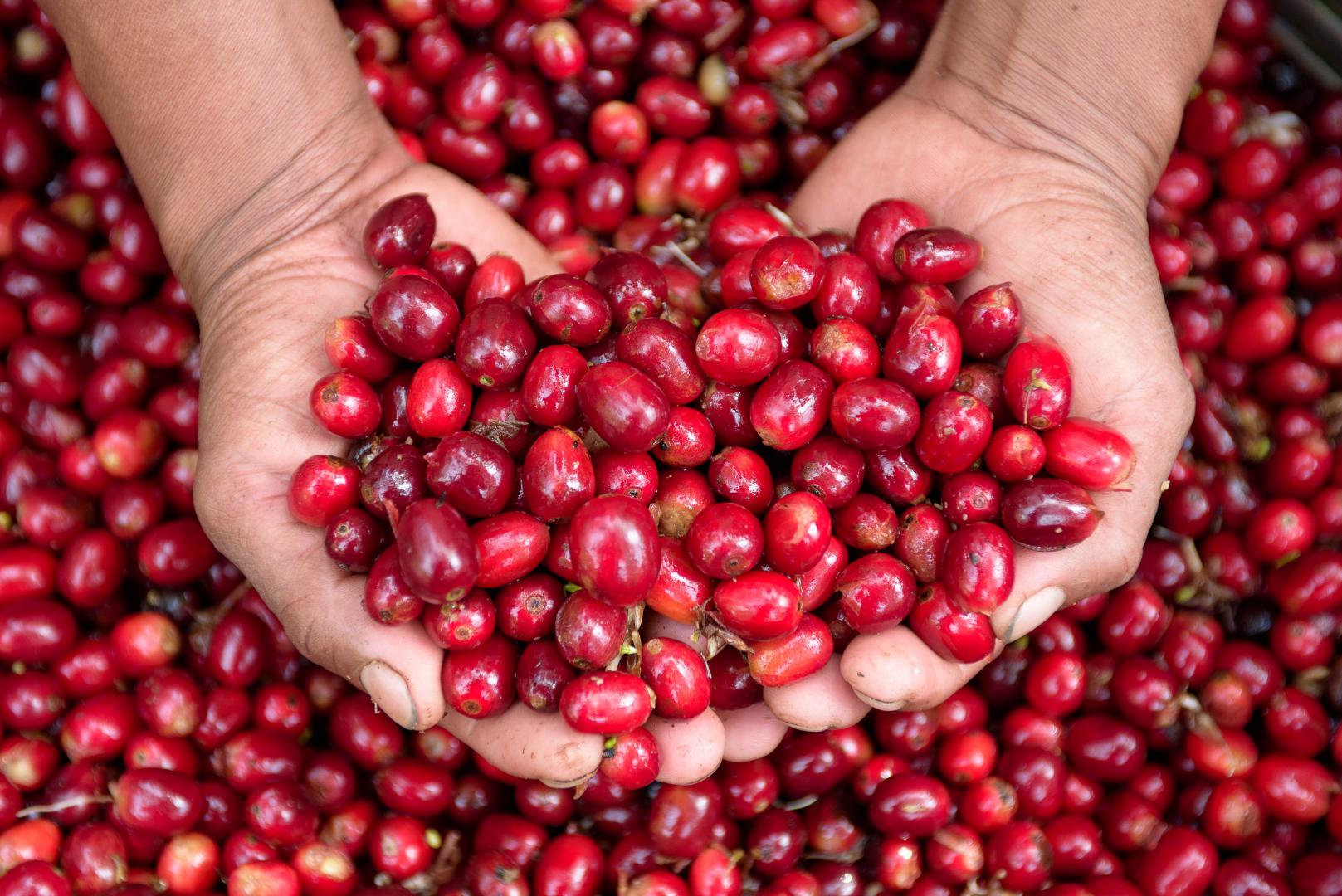
However, the high price of Geisha isn’t solely due to its unique flavor. Its cultivation conditions are extremely demanding—not only requiring high altitudes (typically above 1,400 meters), good drainage and shade environments, but also relying on refined post-harvest processing methods such as natural sun-drying or washed fermentation to fully realize its flavor potential. Additionally, Geisha yields are scarce, with the harvest from even a small plot often being fully pre-booked, and supply-demand imbalance is another reason for its lofty price.
Currently, Panamanian Geisha coffee beans available on the market vary in price and flavor performance depending on processing methods and estate grades. For example, the red-label natural Geisha from Hacienda Esmeralda emphasizes a blend of fruity and sweet notes, often featuring distinct rose, strawberry juice, citrus, and black tea profiles, priced at around 350 yuan per 100 grams, with a cup (about 15 grams) costing about 75 yuan for pour over at the shop. The green-label washed version showcases a fresher floral and citrus profile, such as jasmine, ginger lily, and honey aromas, at a more affordable price of about 168 yuan per 100 grams, with a cup (15 grams of beans, about 200ml) costing about 60 yuan. As for the washed Geisha from the Boquete region, the price is relatively entry-level at about 98 yuan per 100 grams, with flavors mainly of citrus, white flowers, and light sweetness reminiscent of green tea and roasted sweet potato, costing about 30 yuan per cup.
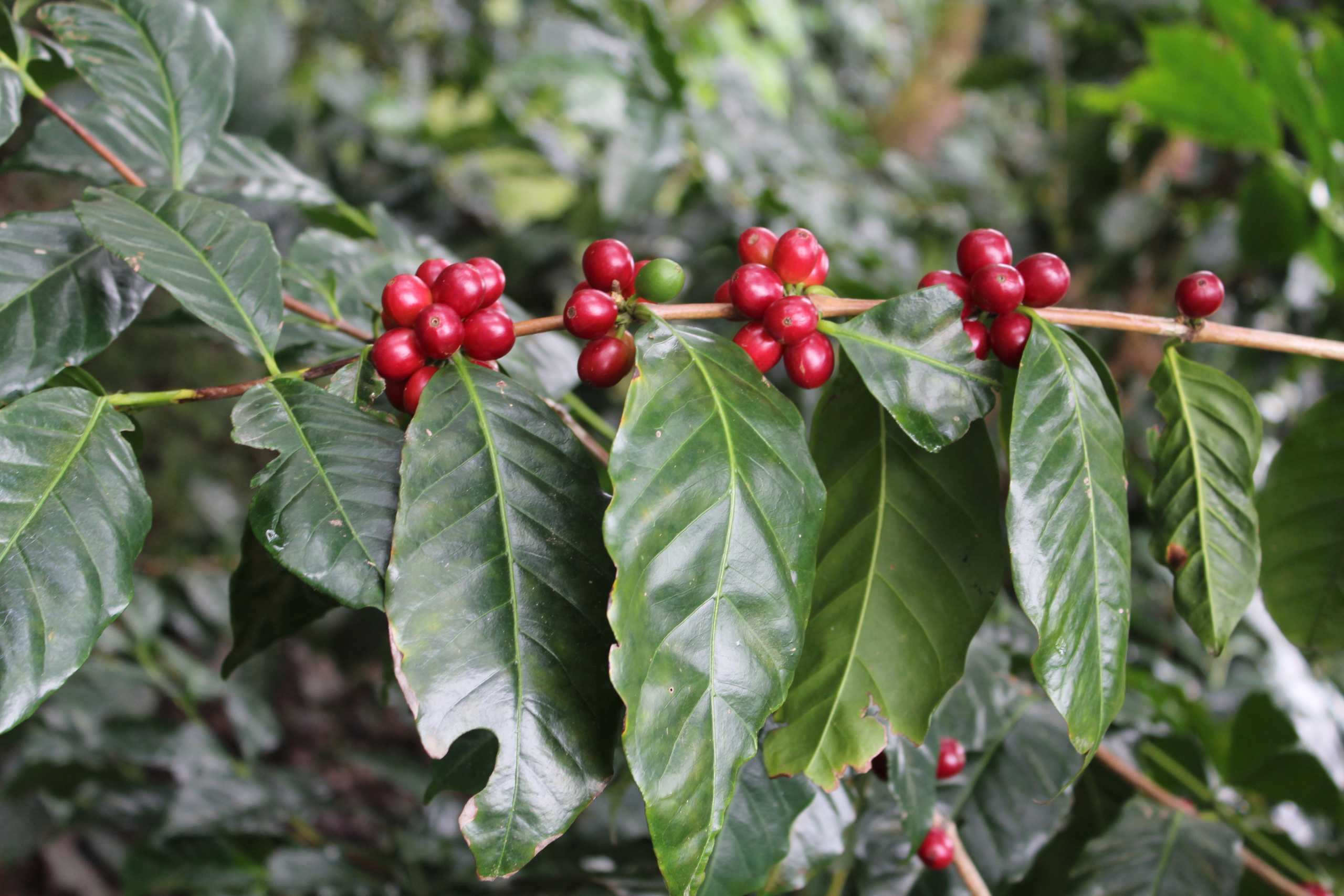
If you’re planning to try pour over Geisha at home, it’s recommended to use a medium-fine grind (close to granulated sugar), with water temperature controlled between 90-93°C, a coffee-to-water ratio of 1:15 to 1:16, and a pulsed pouring method to ensure even extraction. This will better bring out its delicate floral and fruity aromas and layered complexity. Whether you’re a coffee newbie or a seasoned enthusiast, Geisha offers a distinctly different taste experience and is an excellent entry point for understanding the depth and diversity of specialty coffee.
The above content is compiled by CoffeeHunters, a coffee news website.


