








Introduction:Flat White (also known as Flat White or sometimes referred to as "Velvet White") has gained increasing popularity among coffee enthusiasts in recent years, but many still have only a vague understanding of how it differs from a latte. This article delves into the historical origins of the Flat White, compares its recipe with that of a latte—including choices of espresso base, precise ratios of milk and microfoam—and further analyzes details such as cup size, flavor profile, and foam thickness. It also provides practical brewing parameters to help you craft a professional-grade Flat White at home using your pour over setup.
Among the diverse family of espresso-based drinks, classics like latte, cappuccino, and mocha are already widely known, yet 'Flat White' (also called Velvet White) often puzzles many coffee beginners. Some assume it's a white coffee from Australia, while others think it’s barely different from a latte. In fact, the Flat White is an espresso drink with a more prominent coffee flavor, thinner foam, and an overall more balanced taste. This article will start with its origins and, through direct comparison with the latte, break down the key differences in cup size, foam thickness, flavor, and espresso ratio.

When ordering at a café, common options include latte, mocha, and cappuccino, but you might also come across 'Flat White,' though not everyone is clear on its identity. Simply put, the Flat White is a drink that combines espresso and milk, but its recipe and proportions are specially designed to deliver a significantly different flavor experience compared to a latte. In particular, when coffee lovers order a 'Velvet White' at chain brands like Starbucks, they’re actually ordering a Flat White—just under a different name. Such naming differences also reflect its acceptance and evolution in different regions.
The origin of the Flat White has long been debated between Australia and New Zealand. It is generally believed that this coffee first appeared in either Australia or New Zealand, but no definitive conclusion has been reached to date. Notably, baristas in different regions handle the espresso base and milk ratio when making a Flat White slightly differently. For example, baristas in New Zealand often use a Double Ristretto as the base to enhance the coffee's intensity, while those in Australia tend to use a Single Espresso. Additionally, the Flat White is usually only served hot in Australia, as adding ice can dilute the overall flavor and diminish its refined balance—cold versions are often considered a variation closer to a latte.

When crafting an authentic Flat White, choosing the right coffee beans is crucial. If you prefer a traditional, rich coffee flavor, you can opt for a classic blend, which typically offers aromas of butter, nuts, spices, and dark chocolate, with a thick crema and layered complexity. If you want a brighter, more refreshing taste with lower bitterness and fruity notes, consider a strawberry sugar-flavored blend. This is a recipe composed of single-origin beans from different regions that, when brewed as Americano, showcases the aromas of grapes and dried blueberries, and transforms into soft flavors resembling sweet orange and fruit candy when paired with milk.
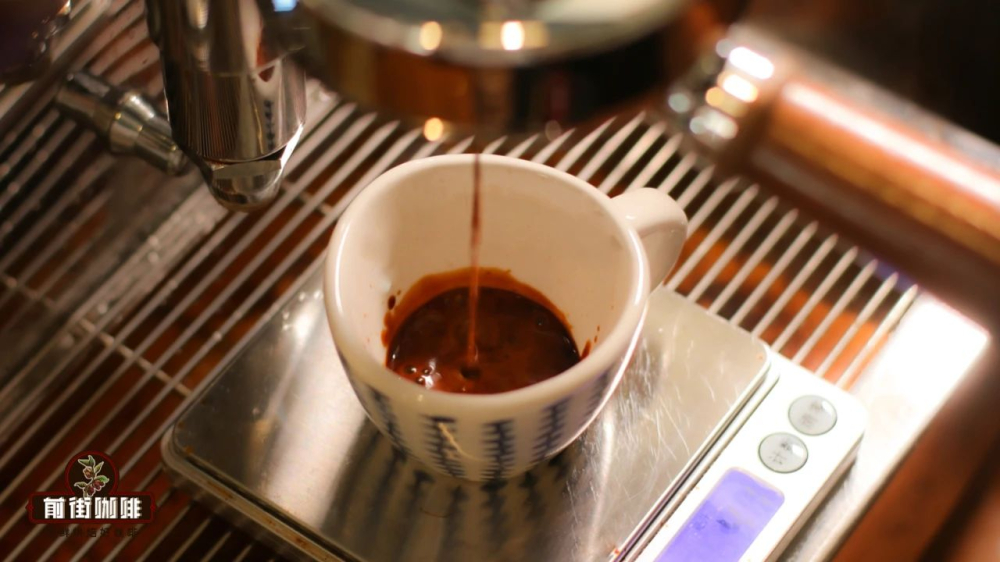
In actual brewing, the extraction parameters of the coffee machine also greatly affect the final result. General commercial coffee machine recommendations are as follows: extraction pressure at 9 bar, water temperature controlled between 90.5 to 96 degrees Celsius, extraction time around 20 to 30 seconds, and a coffee-to-water ratio between 1:1.7 to 1:2. For a single espresso, use about 12 grams of coffee grounds with an extraction yield of 20 ml; for a double espresso, use 20 grams of coffee grounds yielding 40 ml. These basic parameters ensure that the espresso base has sufficient intensity and crema, laying a solid foundation for the subsequent blending with milk.
The milk-to-coffee ratio in a Flat White is equally precise. It is recommended to use whole fresh milk to maintain the fineness of the microfoam and the smoothness of the texture. The ideal milk frothing temperature is 50 to 60 degrees Celsius; too low a temperature affects lactose release, while too high can damage the protein structure, resulting in a rough mouthfeel. As for the foam, the recommended thickness for a Flat White is only about 5 mm, significantly thinner compared to the 1 cm foam in a latte or the 1.5 cm foam in a cappuccino. Overall, the recipe uses about 40 ml of espresso, with milk and foam combined totaling 140 ml, served in a standard 220 ml glass cup. This proportion highlights the coffee flavor while retaining the smoothness and aromatic support of the milk.
Comparing a Flat White directly with a latte, their most noticeable differences lie in foam thickness and overall proportions. Taking the common Starbucks version as an example, a latte is typically served in a 300 ml ceramic cup, with about 40 grams of espresso, and milk plus foam totaling 260 ml, with foam about 1 cm thick, poured to about 5 to 7/10 full. In contrast, a Flat White is served in a 220 ml glass cup, with about 30 grams of espresso, and milk plus foam totaling 190 ml, with foam only about 0.5 cm thick, poured more shallowly, resulting in a flatter visual effect. This design makes the latte’s milk flavor more pronounced, while the Flat White emphasizes the aroma and layers of the coffee itself, delivering a more concentrated and expressive overall flavor.
In summary, although both Flat White and latte belong to the milk coffee category of espresso drinks, they differ significantly in espresso ratio, foam thickness, cup size, and overall flavor expression. Understanding these details not only helps you order a drink that better suits your taste at a café, but also guides you in crafting a professional-style Flat White at home. By mastering the extraction parameters of the espresso, controlling the milk temperature, and perfecting the foam thickness, you can easily replicate café-quality Flat White flavors.

The above content is compiled by CoffeeHunters, a coffee news website.


