







Introduction:Delve into the captivating charm of Ethiopian Yirgacheffe coffee, from its geographical environment and sub-region characteristics to the natural sun-dried processing of the Huakui beans. This article details its unique flavor profile and also provides a practical three-stage pour over technique with recommended parameters, helping you effortlessly extract its enticing fruitiness and rich mouthfeel.
As the birthplace of coffee, Ethiopia nurtures numerous regions celebrated for their diverse flavor profiles. Among them, Yirgacheffe stands out with its intense fruity aroma and full-bodied taste, receiving widespread acclaim. Blessed with exceptional geographical conditions, the region is predominantly located at high altitudes, enjoying ample sunlight and abundant rainfall. These natural elements together contribute to the depth and complexity of its coffee flavors.
Geographic and Cultivation Characteristics of the Yirgacheffe Region
The high-altitude cultivation environment allows coffee trees to grow slowly, enabling the fruits to accumulate richer flavor compounds. Coffee farming in Yirgacheffe largely follows traditional methods, relying on naturally fallen plant residues for nutrients. This eco-friendly management approach also gives the region’s coffee a distinctive aromatic foundation.
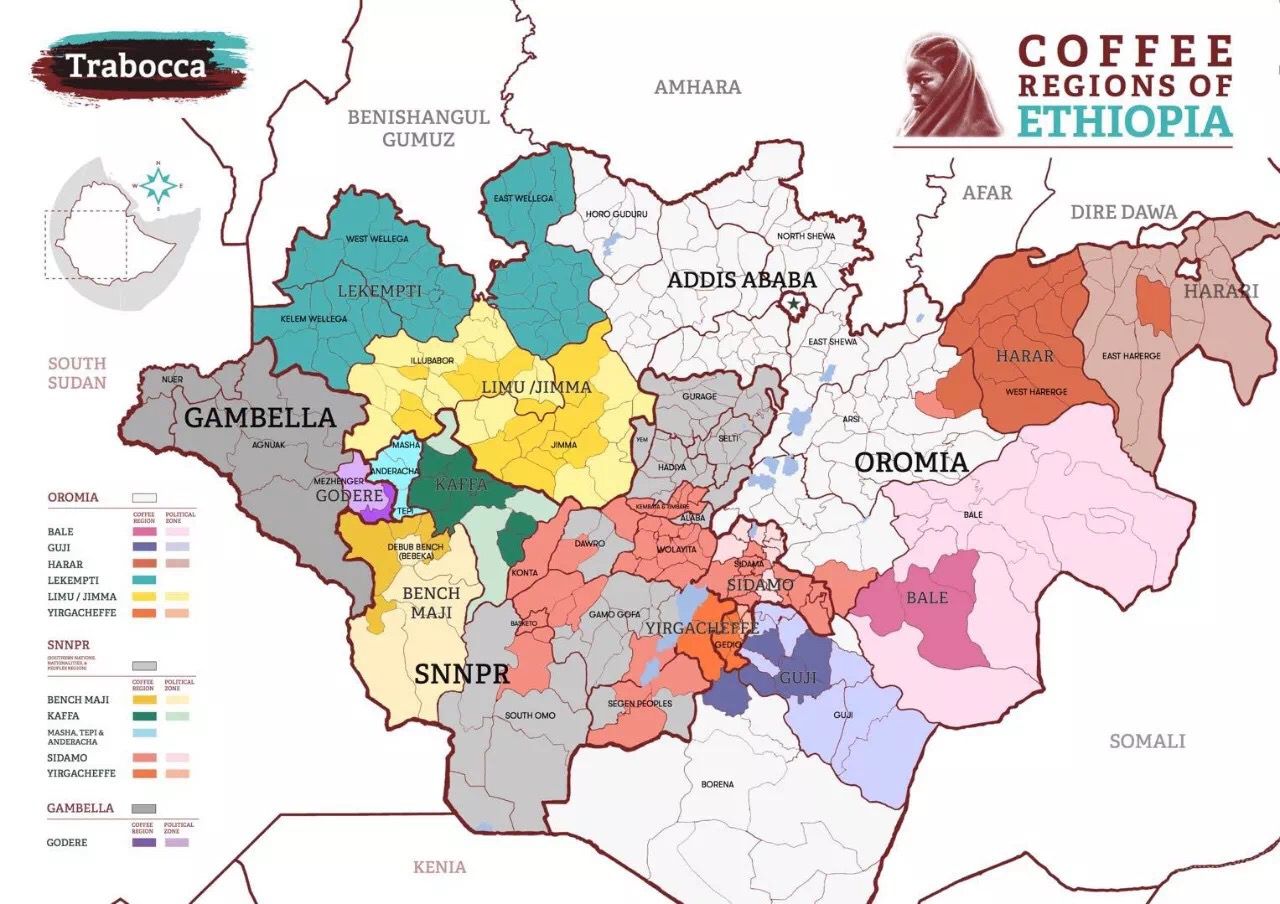
Among the many sub-regions, Guji and West Arsi are the most renowned. Guji is situated southeast of Yirgacheffe, featuring a terrain of high mountains, valleys, and plains. Its soil is a fertile black earth type, and the significant diurnal temperature variation results in coffee with highly distinctive characteristics. Meanwhile, West Arsi lies in the western part of Yirgacheffe, at elevations between 1900 and 2200 meters. It primarily consists of smallholder farms, offering stable quality at more accessible price points.
Origin Background and Sun-Dried Processing of Huakui Beans
When speaking of Yirgacheffe, one cannot overlook theHambella area within the Guji region. A sun-dried bean produced here, known for its intense strawberry cream flavor, was named “Huakui” by Chinese green bean merchants, symbolizing high expectations for this lot. These Huakui beans not only retain the signature strong floral notes of Yirgacheffe coffee but also showcase a rich and layered mouthfeel.
The sun-dried processing method used for Huakui beans is extremely meticulous. From the harvesting stage, only fully ripe red cherries are selected to ensure uniform size and ripeness. During processing, defective beans are first hand-picked and removed, then the red cherries are evenly spread on elevated wooden racks or platforms to dry, preventing mold or contamination from dirt and off-flavors. Regular turning is required during drying to ensure even moisture evaporation, along with periodic manual inspection to remove any substandard beans. Only after the skins have fully dried and hardened are they removed using a hulling machine, followed by a final sorting to guarantee the quality of the green beans.
Flavor Differences and Cupping Comparison Between Guji and West Arsi
Although both Guji and West Arsi primarily employ sun-dried processing, their coffee flavors each possess unique characteristics. One coffee merchant once conducted a cupping comparison between beans from the two regions, using a light roast to highlight the acidity and fruity floral notes typical of African beans, while extending roast time to ensure even heat penetration through the bean surface and core. For cupping, a standard 200ml cupping bowl was used, with grind size set to 70%-75% passing through a standard 20-mesh sieve, 11.3g of coffee, and water temperature controlled at 94°C.In terms of dry aroma, Huakui beans feature citrus and berry notes, while West Arsi emits distinct berry aromas. After pouring water, the wet aroma of Huakui presents a composite of blackcurrant and rose, whereas West Arsi offers a rich, jam-like sweetness. These subtle differences give each bean its unique flavor expression.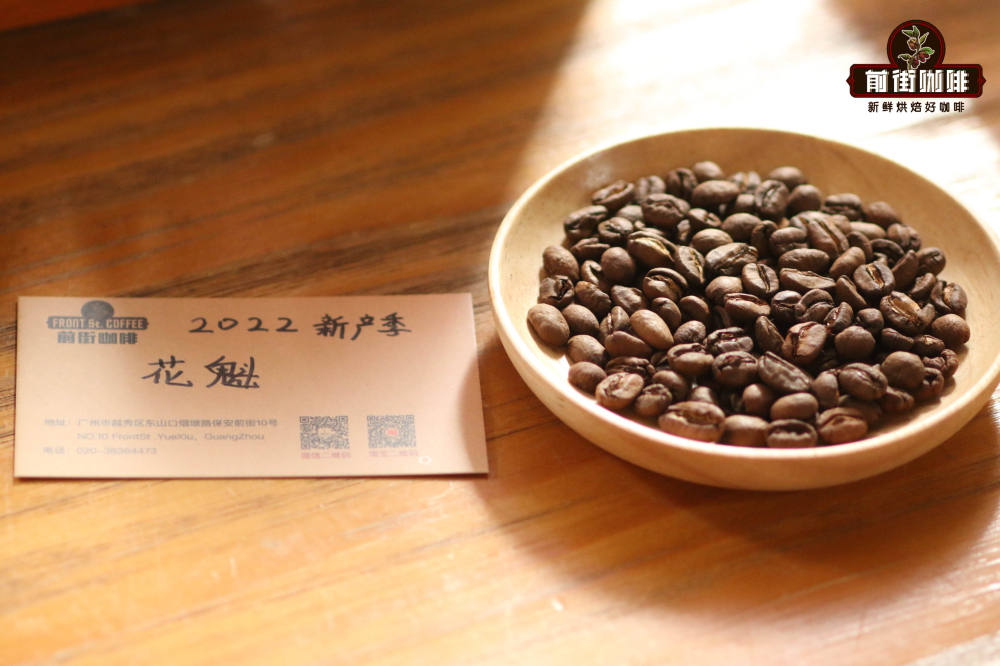
Three-Stage Pour Over Parameters and Step-by-Step Guide
To brew Yirgacheffe coffee with its captivating flavors at home, it is recommended to use a Hario V60 filter cone, with a water temperature of 90°C, 15g of coffee, a 1:15 coffee-to-water ratio, and a grind size set to 80% passing through a Chinese standard 20-mesh sieve. Below is a practical three-stage pour over procedure:
First, begin with the bloom phase by pouring 30g of water. Keep the water flow gentle to avoid dispersing the coffee grounds, completing this within about 10 seconds, then let it rest for 20 seconds, totaling 30 seconds. Next, in the second step, slowly pour water in small streams from the center outward in circles, aiming for a total of 125g over approximately one minute. Finally, in the last step, continue pouring once the coffee bed has settled, until the total water volume reaches 225g, taking around two minutes in total. After pouring is complete, allow the coffee to fully drip through, then gently swirl the server to ensure an even concentration before enjoying.
Flavor Profile and Conclusion
Huakui beans exhibit pronounced almond notes at higher temperatures, gradually revealing the sweet-tartness of berries and the juice-like character of blackcurrants as the cup cools, with a long-lasting honey-like sweetness lingering in the aftertaste. West Arsi beans present a refreshing, berry-juice-like taste at high temperatures, transitioning to plum, nectarine, and mango notes upon cooling, accompanied by a smooth honey aftertaste. Overall, the allure of Yirgacheffe coffee lies in its rich fruitiness and vibrant juiciness—making it a must-try for both beginners and seasoned enthusiasts alike.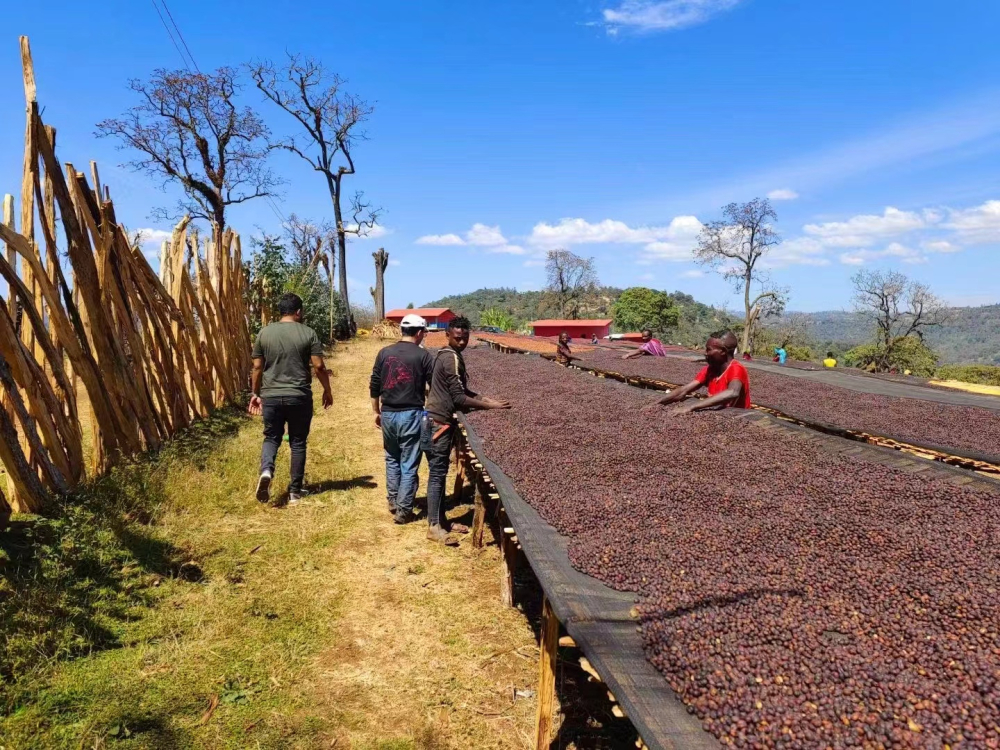
The above content is compiled by CoffeeHunters, a coffee news website.


