








Introduction:Both cold drip and cold brew are cold extraction methods using low temperatures, but they differ significantly in process details, time control, and the final flavor profile. This article breaks down their core differences from an experimental perspective—including grind size settings, coffee-to-water ratio, extraction time, equipment used, and other key parameters. Through comparative observation and tasting notes, it helps you make a more precise choice based on taste preference, while also mastering practical tips for home brewing.
Cold drip and cold brew are popular choices among coffee enthusiasts during summer or for those who prefer cold beverages. Although both fall under cold brewing methods, they differ markedly in production logic, timeline, and flavor expression. Which one suits you better? From equipment setup to extraction parameters, and down to the nuanced sensations upon tasting, we take you deep into the essential differences between these two cold brewing methods through a synchronized experiment.
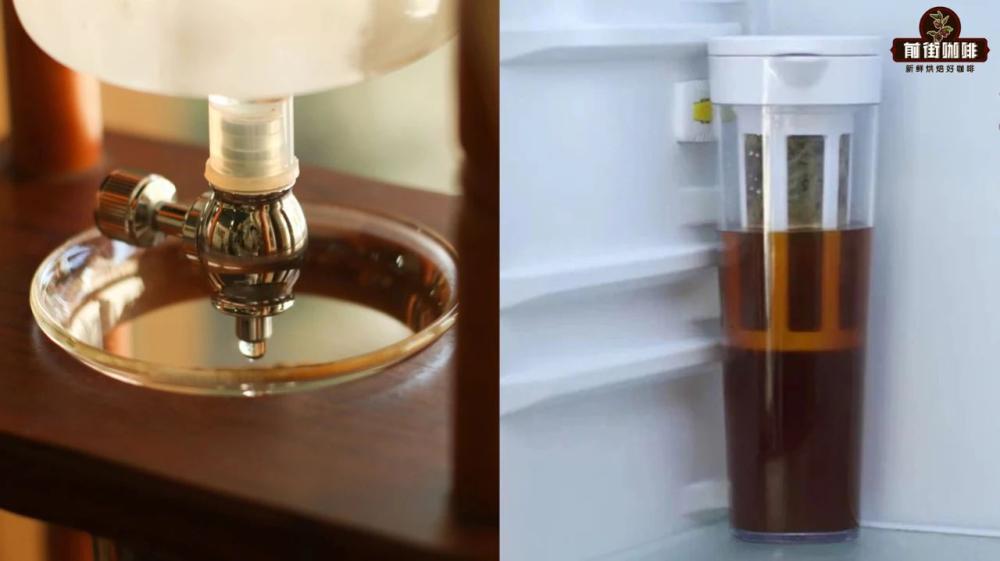
First, their production principles are fundamentally different. Cold drip relies on slowly dripping ice water, which falls drop by drop under gravity onto the coffee grounds, extracting at an extremely low speed. This process typically requires a dedicated cold drip device, which has a three-tiered structure: the top chamber holds an ice water mixture, the middle chamber contains the ground coffee, and the bottom chamber collects the dripping coffee liquid. The entire extraction time ranges from 6 to 8 hours, with the water drip rate recommended to be controlled at about 6 drops per 10 seconds. This ensures that the coffee grounds have sufficient time to release flavor compounds without over-extraction, which could lead to the release of unwanted impurities.
In contrast, cold brew is much simpler to prepare and doesn’t require complex equipment. The basic method involves mixing pre-ground coffee powder with cold or ice water in a sealed container at a low temperature (typically around 4°C) in the refrigerator for a long extraction period, ranging from 12 to 24 hours. This method doesn’t rely on dripping action but rather on time and low temperature working together to gradually release the coffee flavors, with the final step being filtration through paper to remove coffee grounds.
In this experiment, for a fair comparison, we used the same coffee beans with a distinct fruity aroma profile and unified the grind size parameters. Using a standard #20 sieve test, the extraction rate was set at 75%; if using the EK43s electric grinder, the setting was adjusted to 9; with the hand grinder C40, it was set to 22. This grind size balances the efficiency of aroma release and impurity control during cold brewing, making it suitable for both extraction methods.
For the cold drip setup, we used 60 grams of coffee powder with 600 milliliters of final coffee liquid, achieving a coffee-to-water ratio of 1:10. Ice water was used as the water source, and the drip rate was strictly controlled at 6 drops per 10 seconds. The total extraction time was 7 to 8 hours. After completion, it is recommended to pour the coffee liquid into a sealed bottle and refrigerate it for another 48 hours. This step helps stabilize the flavor and allows impurities to settle. Note that the ratio of ice to water should remain stable to avoid the melting of ice in the top chamber affecting the dripping rhythm too quickly.
For the cold brew setup, 50 grams of coffee powder were used, also at a 1:10 coffee-to-water ratio. In practice, 400 milliliters of cool water and 200 grams of hard ice (totaling 600 grams of ice water mixture) were added, taking into account that coffee powder absorbs about twice its own weight in water. All materials were stirred evenly, sealed, and refrigerated for 24 hours. After extraction, it is essential to carefully filter out the coffee grounds using paper. It is recommended to let the filtered liquid sit in a clean, sealed bottle in the refrigerator for an additional 2 to 4 hours. This step allows the flavors to meld further and the texture to become smoother and fuller.
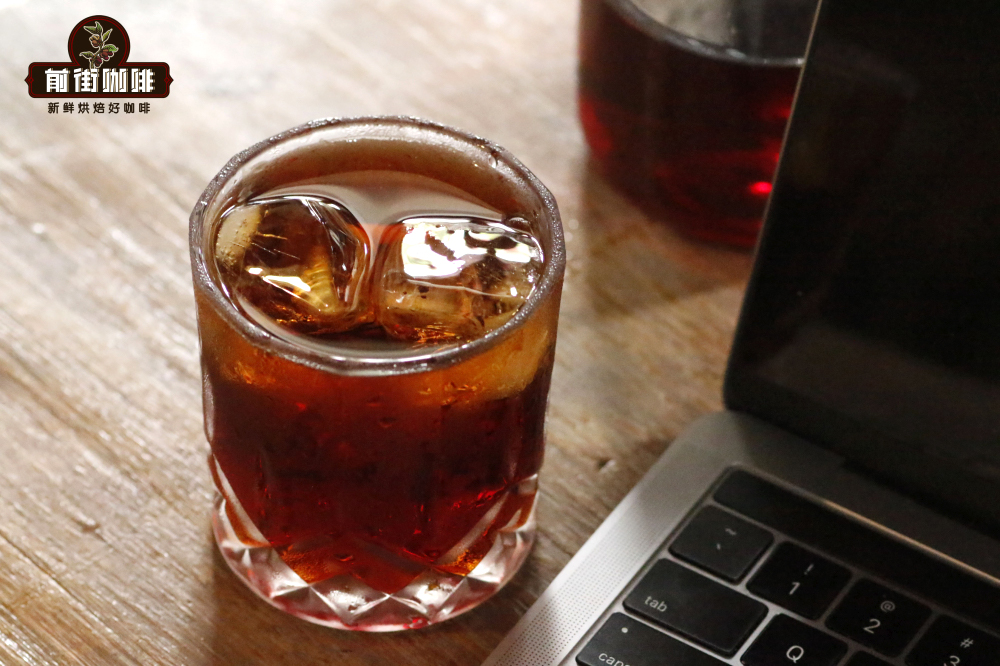
Observing the finished products, cold drip coffee appears clear and transparent, with almost no suspended particles, and the crema layer is not prominent. In contrast, cold brew coffee shows a slightly hazy appearance, often with a delicate oily sheen on the surface, which is related to the oils released during its long-duration, low-temperature extraction process.
In terms of flavor, cold drip coffee offers a refreshing, clean taste. Upon drinking, you can clearly perceive fermentation notes, akin to the layered complexity of wine, accompanied by a slight berry-like acidity and sweetness. The overall profile is bright and well-layered.During the experiment, particular attention was paid to its refined acidity, with a clean aftertaste featuring a hint of sweet finish.
In contrast, cold brew coffee has a richer, fuller mouthfeel, with a more uniform flavor profile. The fruit sweetness is particularly prominent, especially in the mid-palate where the sweetness is noticeable, but the fermentation character is more restrained. The overall tone is mild and smooth, making it suitable for drinkers who prefer low-acidity and full-bodied flavors.
Based on the comprehensive experimental results, if you are seeking a clear, fermentation-layered cold brew with light acidity and fruity sweetness, cold drip would be the more suitable choice. If you prefer a beverage with a fuller body, prominent sweetness, and balanced flavors, then cold brew coffee better meets your needs. Understanding these detailed differences will allow you to make a more precise decision based on personal taste when choosing or making your next cup.
The above content is compiled by CoffeeHunters, a coffee news website.


