







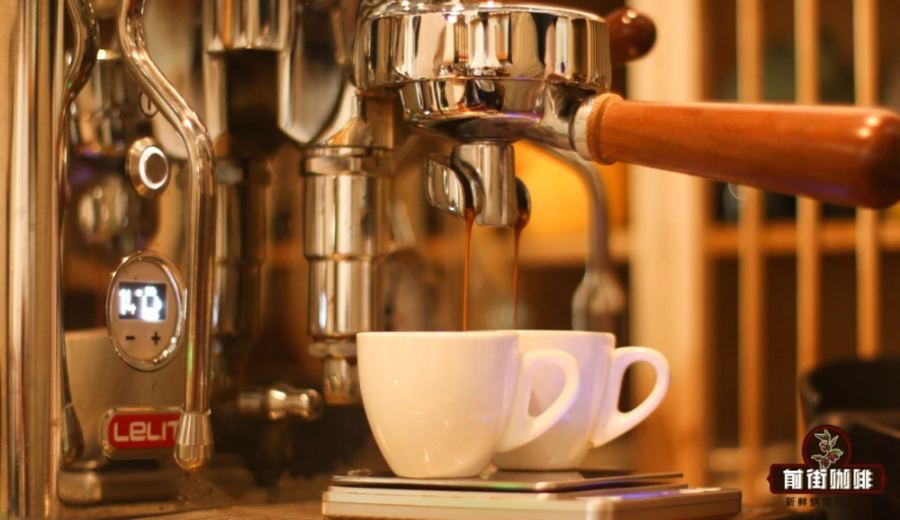
Introduction:How many milliliters should an espresso shot be to be considered standard? Why does espresso sometimes look thicker or more voluminous? This article delves into the common unit of espresso extraction — the “shot” — exploring its historical origins and modern standards. We’ll detail the relationship between extraction volume, coffee dose, and brew time, as well as how crema affects both appearance and flavor, helping you better understand the secrets behind every shot of espresso.
When ordering at a café, you often hear the term “one shot.” But how many milliliters does that actually refer to? Some people receive espressos that appear fuller or glossier — this is actually related to differences in brewing methods and crema layers. From a professional perspective, this article thoroughly explains the definition of espresso units, common standards, and the subtle relationship between crema and extraction parameters, giving you a clearer understanding of every espresso shot.
The term “shot” originally comes from alcoholic beverages, typically referring to a small glass of spirits, about 30 milliliters. This term was adopted into the coffee world to describe a standard serving of espresso. In early Italy, espresso was made quickly, and customers often stood at the bar and drank it in just a few sips. This fast and intense way of drinking resembled the experience of having a drink, so the word “shot” gradually became synonymous with espresso.
It’s worth noting that although traditionally a “shot” is about 30 milliliters, in reality, the thick layer of crema (coffee foam) on the surface often makes it visually seem like more. However, crema itself doesn’t contribute much actual liquid volume, so what looks like a full cup may actually contain only about 25 to 35 milliliters.
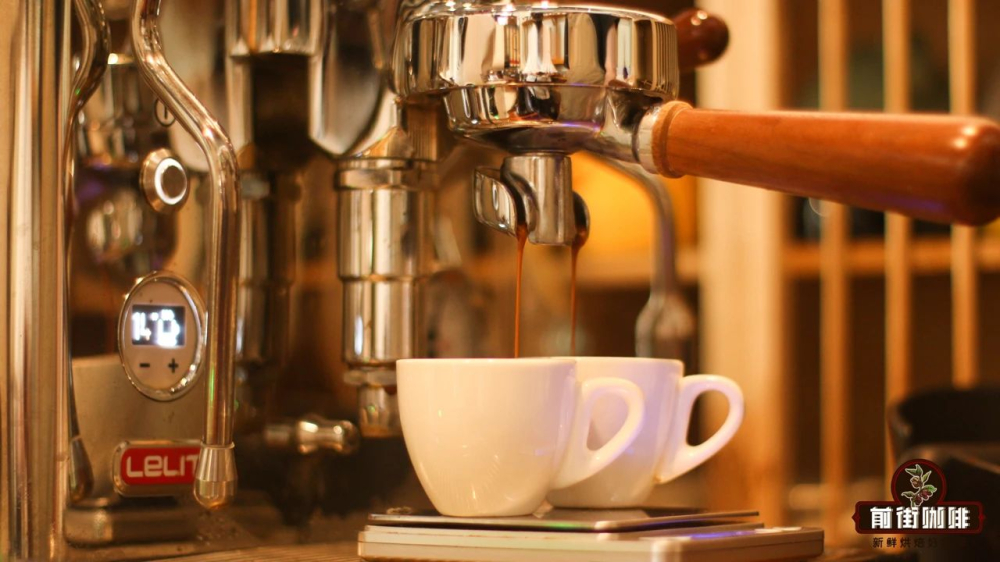
So what does “double shot” mean? Many coffee drinks such as lattes and cappuccinos often specify using a single or double shot of espresso, and the caffeine content and overall flavor intensity also differ significantly. Generally, a double shot uses double the amount of coffee grounds, and the extracted liquid is correspondingly greater, usually between 50 to 60 milliliters — roughly twice that of a single shot.
Early espresso standards were based on coffee dose and extracted liquid volume. For a single shot, 7 grams of coffee grounds were typically used to extract about 30 milliliters of espresso; for a double shot, 14 grams of coffee grounds were used to extract around 60 milliliters. However, with advancements in espresso machine technology and weighing equipment, today more emphasis is placed on the weight of the extracted liquid rather than volume alone.
In fact, because the volume and weight of crema are not consistent, an overly rich crema layer can make the same amount of coffee appear fuller, while the actual liquid weight may be lower. Therefore, modern baristas often evaluate extraction results based on the total weight of the extracted liquid (such as 36 to 40 grams) to ensure consistency and stability in flavor.

In modern cafés, most shops default to using double-shot baskets (double shot) to prepare espresso, adjusting extraction parameters based on the characteristics of their beans and equipment conditions. For example, using 20 grams of coffee grounds and controlling the extraction time to 28–30 seconds may yield 36–40 grams of espresso, a ratio that achieves balanced flavor and rich crema.
It’s important to note that even with identical extraction parameters, different roast levels of coffee beans can produce varying extraction results. For instance, dark-roasted beans, due to their lower bean density, often produce a thicker crema layer, making the shot appear more voluminous; whereas medium or light-roasted beans may exhibit brighter acidity and aroma, but with a thinner crema layer, appearing less full visually.
With this understanding, consumers can choose dark-roasted beans for a richer, fuller-bodied espresso with thick crema, or opt for medium to light roasts for a brighter, fruitier flavor with a cleaner profile. At the same time, observing the crema layer on the coffee’s surface can also serve as one indicator of successful extraction.
In summary, a standard espresso doesn’t have an absolutely fixed milliliter measurement. Instead, it is determined by a combination of factors such as coffee dose, extraction time, pressure, and bean characteristics. Understanding these basic parameters and background knowledge allows you to better appreciate the craftsmanship and details behind each shot of espresso.
The above content is compiled by CoffeeHunters, a coffee news website.


