







Introduction:Although a small cup, espresso is packed with intense flavors and complex layers. This article delves into the historical evolution, extraction principles, and key parameters of espresso—including dose, grind size, pressure, and time—and guides you on how to taste it properly. From the clever use of ice water, observing layers, to the application of a demitasse spoon, it helps you savor this essence of coffee like a professional barista.
Walking into a café and seeing “espresso” on the menu, many people often feel both excited and hesitant—this small, dark-looking drink: should you drink it in one go or sip it slowly? In fact, espresso has its own unique drinking method and brewing philosophy. This article will start with its historical background, take you through the evolution of the espresso machine, and deeply analyze the extraction principles and key parameters such as dose, grind size, pressure, and extraction time. Finally, it will teach you the correct tasting techniques, helping you perceive the full flavor profile from a single shot of espresso.
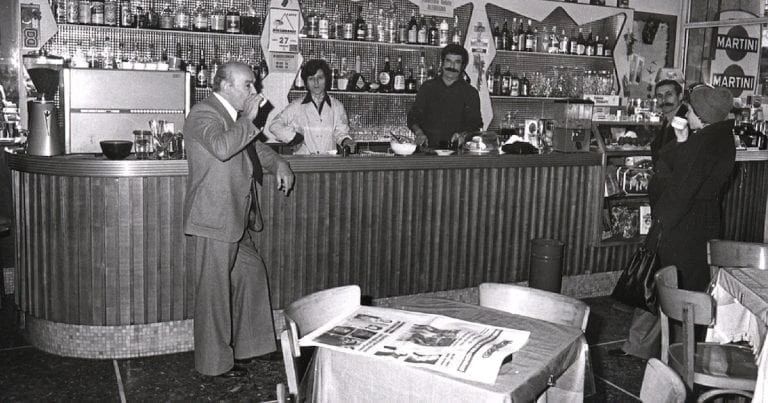
Before discussing how to drink it, let’s first get to know the equipment behind this shot—the espresso machine. Did you know? The very first espresso machine was invented in 1884 by Angelo Moriondo from Turin, Italy. Although this machine marked the birth of the concept of “espresso” (meaning “quickly pressed-out coffee” in Italian), it only used 1.5 bar of pressure with a dual-group head, and the entire extraction process took as long as 40 seconds. The resulting coffee was more like a primitive version of today’s drip coffee, lacking the intensity and crema that define espresso.
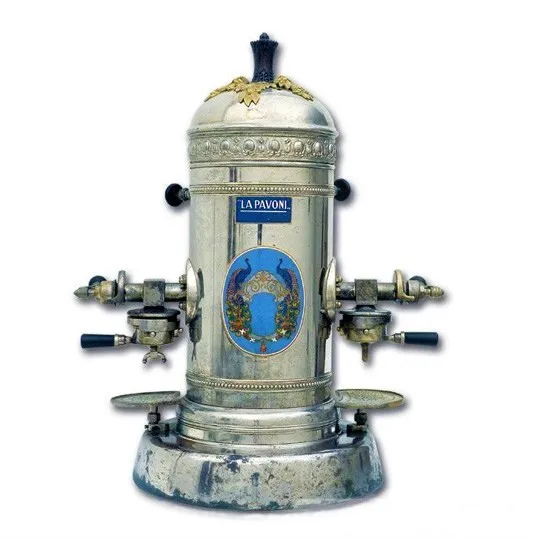
It wasn’t until 1901 that Milanese engineer Luigi Bezzera first filed a patent for a commercial espresso machine, which was then put into mass production by La Pavoni in 1905. This led to the creation of the world’s first true espresso machine. Early models relied on steam pressure, but due to the high temperature and limited pressure of the steam, the coffee often had a burnt, bitter taste and lacked the captivating crema (coffee foam) that would later become so desirable.
The turning point in history came in the 1930s, with the advent of electricity. Milan barista Achille Gaggia designed a machine that used a manual piston to generate high pressure. By 1948, this technology was acquired by Faema, and in 1961, they launched the classic Faema E61 model, marking the birth of the modern espresso machine. This machine uses a pump to steadily provide about 9 bar of pressure, not only significantly improving extraction efficiency but also forming a rich, fine crema on the surface of the coffee, giving espresso its intense, rich, and layered unique flavor.
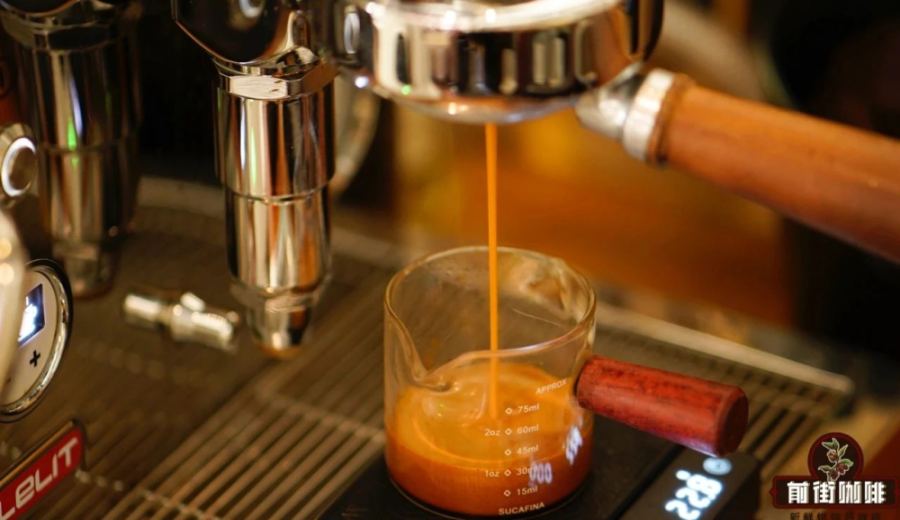
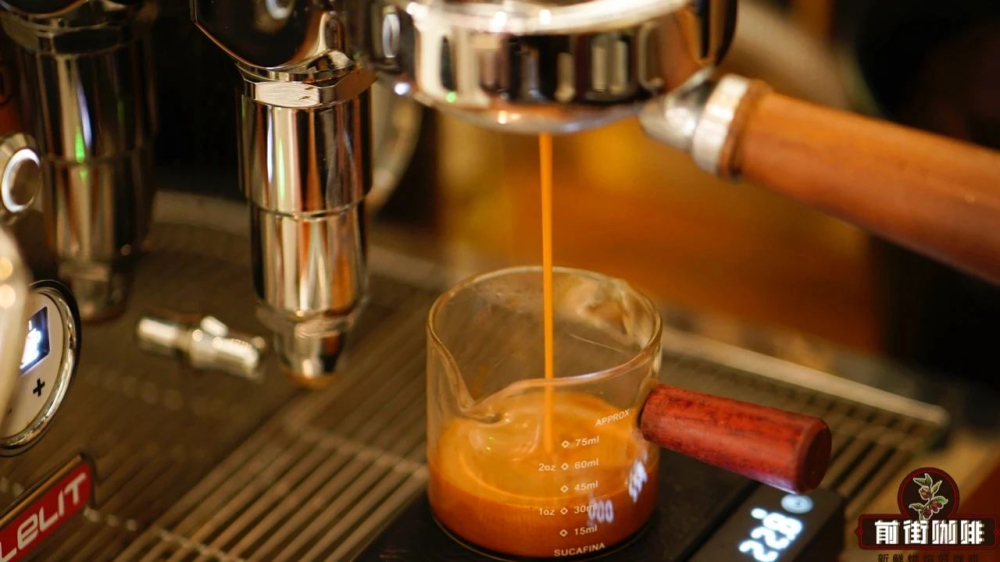
So, how is modern espresso actually made? Simply put, it involves pushing hot water (usually above 90°C) at high pressure (9–11 bar) through extremely finely ground coffee in an extremely short time (typically 20–30 seconds) to extract a concentrated coffee liquid. This process not only effectively extracts water-soluble flavor compounds but also brings out non-water-soluble micro oils, creating a rich mouthfeel and a fine layer of crema.
When drinking espresso, many cafés serve it with a glass of ice water—not to make you pour the espresso into the water to create an iced americano, but for a more important reason:Cleanse your palate. Rinsing your mouth with ice water first resets your taste and smell senses, allowing you to better capture the subtle flavor nuances of the espresso when you taste it. Additionally, many baristas also provide a demitasse spoon to stir the crema on top with the liquid below, balancing the overall flavor. Of course, you can also choose to preserve the layers and experience the taste differences across them.
To produce a high-quality espresso, the key lies in the precise control of multiple parameters, including:
- Dose: Usually adjusted based on the portafilter basket capacity; common single doses are 7–10 grams, and doubles around 18–20 grams. Too much coffee can lead to uneven extraction, while too little may result in insufficient flavor.
- Grind size: Requires an extremely fine grind. Too coarse leads to under-extraction and weak flavors, while too fine may cause over-extraction, producing bitter and off flavors.
- Pressure: Ideally around 9 bar. Too low affects crema formation and flavor extraction, while too high can extract undesirable compounds, making the coffee sharp and bitter.
- Extraction time: Generally controlled between 20–30 seconds. Too short results in incomplete extraction, while too long can lead to over-extraction.
- Brew ratio: Commonly 1:2, meaning 10 grams of coffee grounds yield 20 milliliters of espresso. Some may use ratios from 1:1.7 to 1:2.2, adjusted according to the coffee bean characteristics.
For example, if using a double basket with about 20 grams of coffee, aiming for a 40-milliliter shot, the recommended extraction time is around 25 seconds, maintaining pressure at around 9 bar, and water temperature controlled between 90.5–96°C. This parameter combination can fully showcase the coffee’s aroma, acidity, and sweetness, while providing a rich, smooth mouthfeel and a layered crema.
In summary, though small in size, espresso is the essence of the coffee world. Understanding its historical development, mastering key extraction parameters, and learning the correct way to taste it allows you to experience the most authentic and intense charm of coffee in every sip. Whether you’re a beginner just starting out or an enthusiast wanting to dive deeper into the heart of espresso, these insights will be essential stepping stones on your coffee exploration journey.
The above content is compiled by CoffeeHunters, a coffee news website.


