








Introduction:Latte is often the first choice for many people when trying espresso-based coffee. However, making a latte with balanced flavors and a harmonious blend of milk and coffee aroma actually involves a lot of expertise—from the roast level of the coffee beans, the ratio of espresso extraction, to the details of milk frothing. This article not only explains the historical evolution and global development background of the latte, but also provides practical parameters for the espresso-to-milk ratio, detailed steps for extraction and steaming, as well as specific recommendations for coffee beans with different roast profiles, helping coffee enthusiasts replicate a professional-grade smooth latte at home.
Latte is one of the most popular espresso drinks ordered in coffee shops around the world. However, brewing a memorable latte involves many details, from the selection of coffee beans, roast degree, espresso extraction parameters, to the steaming of milk and the texture of the foam—each step affects the final flavor.
Tracing back to its origins, “latte” actually comes from the Italian word for “milk.” In the early days, this term simply referred to a cup of milk. It wasn’t until the advent of the espresso machine and the popularization of the steam wand that latte gradually evolved into the familiar “coffee with milk” form we know today. What truly propelled latte into popular culture was the 1980s, when baristas in the Seattle area of the United States began drawing designs with milk foam—now widely known as latte art.

Among many coffee shops, latte is usually one of the top-selling espresso beverages. However, each café has its own interpretation of latte recipes, bean varieties, and extraction methods. Generally speaking, a standard latte mainly consists of a large amount of steamed milk mixed with a small amount of espresso, and its flavor profile can vary depending on the type of coffee beans used, roast depth, milk ratio, and steaming technique.
To make a delicious latte, choosing the right coffee beans is crucial. In most cases, it is recommended to use medium-dark roasted blends or single-origin beans (SOE), as these types of beans can showcase rich caramel and nutty aromas, which complement the milk with distinct layers and a noticeable aftertaste.

For those trying coffee beans at home for the first time, it is advisable to consider medium-dark roasted blends first, such as those with buttery and roasted chestnut aromas and good crema performance. These beans can create an excellent contrast with sweet, creamy milk. If you prefer stable performance and high cost-effectiveness, a medium-dark roasted blended coffee is an ideal choice; if you want to experience the unique characteristics of a single origin, you can choose an SOE bean with strong caramel and chocolate notes. When combined with milk, these beans offer a more striking flavor contrast, highlighting the layers of the coffee.
If you prefer a refreshing flavor, you can also opt for medium-roasted or medium-light roasted coffee beans. These beans typically have prominent floral and fruity notes with slight acidity, which, when paired with milk, produce a soft, sweet-and-sour fruitiness, suitable for drinkers who enjoy a refreshing taste.

When it comes to the actual preparation of a latte, the most common and highly regarded recipe ratio is 1:6.5—that is, 40 grams of espresso paired with 260 grams of steamed milk. This ratio ensures a balanced flavor between coffee and milk, neither too intense nor too diluted.
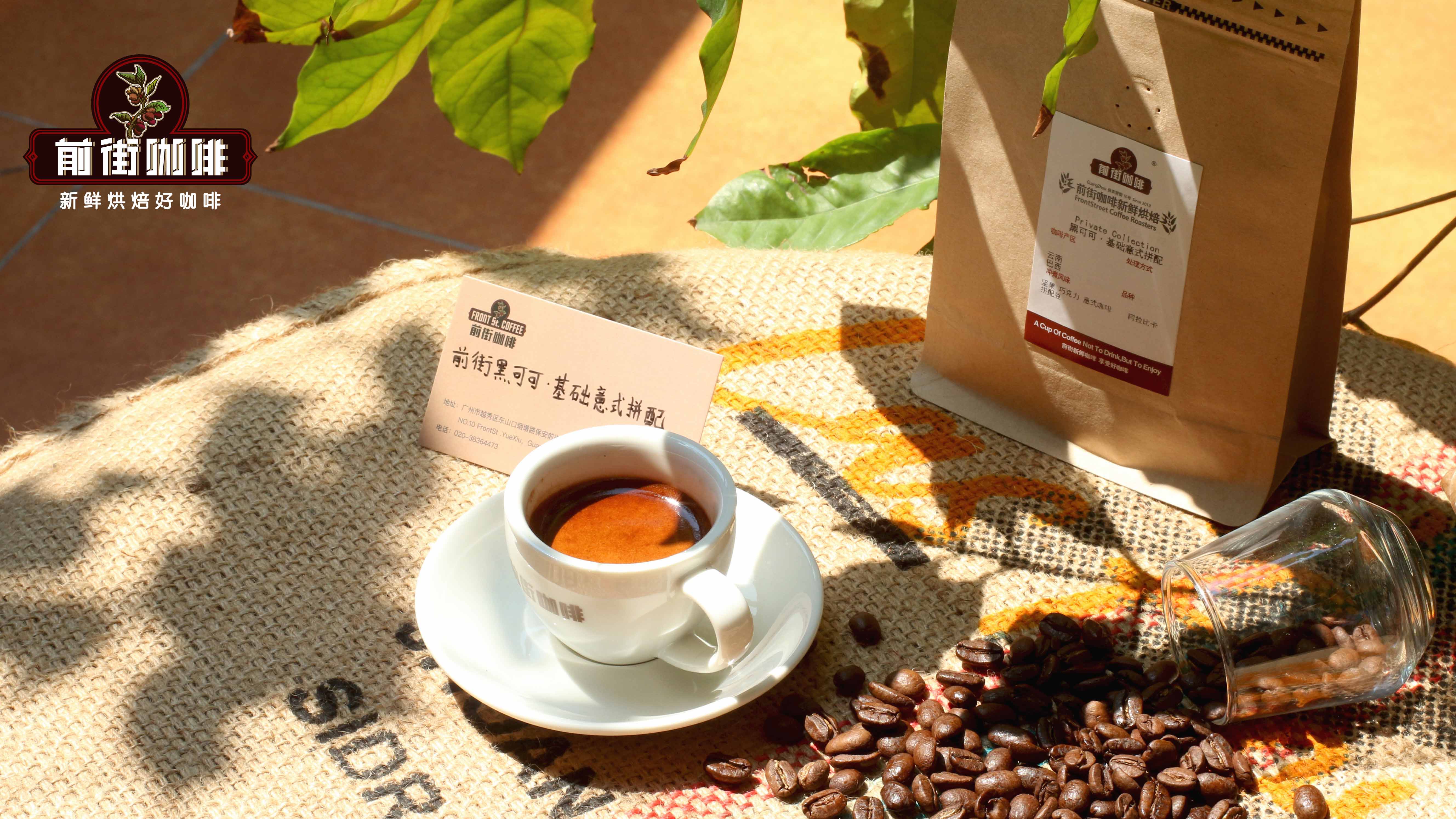
For extracting the espresso, it is recommended to use 20 grams of coffee grounds, aiming to extract 40 grams of espresso within 27 seconds. Such extraction parameters can yield a well-balanced espresso base—with rich flavor but without bitterness—suitable for blending with milk.
Next is the handling of the milk foam, which is one of the keys to the texture of a latte. To produce fine and stable milk foam, it is recommended to use a professional steam wand and a milk pitcher, along with cold, whole fresh milk stored in the refrigerator. This can deliver better foam texture and milk aroma.
When frothing the milk, first pay attention to the capacity of the pitcher. It is advised to fill it to between 40% and 60% of its total capacity. For example, with a 550 ml pitcher, you can pour in about 250 ml of milk. This facilitates control over the frothing height and operational stability.
Before starting, remember to release any condensation from the steam wand. Then insert the steam wand into the milk surface at a 45-degree angle, slightly off-center, to create a small counterclockwise whirlpool. During the frothing stage, you will hear a distinct “hissing” sound, which is the process of air being injected into the milk. The main purpose of this stage is to increase the volume of the foam, which typically takes about 3 seconds to expand the milk to the appropriate size.
Next is the texturing stage. At this point, the steam wand needs to be inserted deeper into the milk, heating it without further frothing. The goal is to refine the coarse bubbles and make the overall foam texture smoother and more even. Temperature control during this stage is very important. The ideal serving temperature is around 55°C to 65°C. Exceeding 60°C may cause the proteins in the milk to denature, affecting the texture and fineness.
Once the milk is frothed, you can proceed to combine the espresso and steamed milk. This step is key to determining whether the latte has a smooth texture. It is recommended to slowly pour the milk from the center of the coffee, using a spoon to gently guide the foam, creating a layered visual and textural effect. A well-integrated latte should feel clean on the palate, with a rich and silky mouthfeel.
Finally, if you are familiar with latte art techniques, you can also create patterns at this stage to add visual appeal to your latte. Whether or not you choose to pour art, as long as the previous steps are properly executed, you can still achieve a professionally flavored latte with a balanced aroma of milk and coffee.

An ideal latte should have a smooth texture, a persistent chocolatey base note, accompanied by warm caramel aromas, and a sweet, lingering finish. As long as you master the key elements such as coffee bean selection, espresso extraction ratio, milk steaming, and foam handling, you too can easily recreate this classic espresso drink at home.

The above content is compiled by CoffeeHunters, a coffee news website.


