







Introduction:Although Bolivian coffee benefits from high-altitude advantages, boasting unique aromas with distinct floral and fruity notes, its production has declined by over 70% over the past decade due to policy issues, disease outbreaks, and market factors. This article delves into its regional distribution, variety characteristics, and cultivation challenges, while focusing on the cacao natural-processed Java beans from the Waliki Estate. From the origin background to precise brewing parameters and flavor profiles, it offers a comprehensive look at the unique charm of this niche specialty bean.
Among the many South American coffee-producing countries, besides Brazil and Colombia, Bolivia also has high-quality coffee beans with great potential. The country is known for its high-altitude growing environment, and its coffee often exudes rich aromas, typically featuring floral and fruity notes. However, over the past decade, Bolivia’s coffee production has drastically declined by 70%, shrinking from a once-important producing region to a marginal player. This decline is attributed to multiple factors, including coca leaf cultivation policies, the ravages of leaf rust disease, and the discontinuation of the COE competition, all of which have posed severe challenges to local coffee farmers.
Located in the inland of South America, Bolivia borders Brazil and Colombia, with its capital La Paz being the highest capital city in the world, situated over 3,600 meters above sea level. As one of the poorest coffee-producing countries globally, its struggles stem not only from geographical isolation but also from long-term political corruption and structural issues such as the lack of a seaport. Bolivia’s coffee cultivation history dates back to 1880, initially dominated by large-scale farms north of La Paz. In 1991, the government launched a program to encourage indigenous participation in coffee farming, yet it failed to prioritize quality improvement, resulting in limited overall development.
For most Bolivian coffee farmers, insufficient income is the biggest barrier to continuing coffee cultivation. To supplement their earnings, many have turned to growing coca leaves—a crop used to produce cocaine, which is legal locally and less difficult and costly to cultivate than coffee. Statistics show that coca leaf yields can be up to four times more profitable than coffee, leading to the abandonment or permanent conversion of many coffee fields. The United States once provided agricultural aid, but relations soured due to the Bolivian government’s support for coca cultivation, resulting in aid suspension—coffee farmers were hit the hardest. It was only in recent years, as anti-drug efforts eased, that some programs like COE (Cup of Excellence) were restarted with support from USAID.
Adding insult to injury, in 2013, a major outbreak of leaf rust disease—an aggressive fungus that erodes coffee leaves and hinders photosynthesis—caused Bolivia’s coffee output to plummet by 50% in a single year. Struck by both policy missteps and disease, Bolivian coffee production has fallen by 70% over the past ten years, reducing the country from a once-significant regional producer to a small-scale grower.
Bolivia’s main coffee-growing regions are concentrated in the La Paz Department, including areas such as Caranavi, Yungas, and Inquisivi. Among them, Yungas, located northeast of La Paz along the eastern slopes of the Andes Mountains, boasts vast forests and fertile soil, with a rainy, humid, and warm climate, and altitudes ranging between 800 to 1,800 meters. This area accounts for over 90% of the country’s coffee production. Notably, the region also features the perilous “Death Road,” one of the most dangerous roads in the world.
Coffee production in Bolivia is predominantly carried out by small farms, with approximately 23,000 farms nationwide, each spanning 2 to 9 hectares. About 40% of the coffee produced is for domestic consumption. Additionally, nearly all of Bolivia’s coffee is grown organically. The dominant varieties are Arabica, including Typica, Caturra, Catuai, and Catimor, with the harvest season typically concentrated between July and November.
Among these, Catimor is a hybrid of Timor and Caturra, discovered in Portugal in 1959. It has distinctive flavor characteristics but often exhibits noticeable astringency and a salty aftertaste. Due to its strong resistance to leaf rust, high yield, and other advantages, it was once widely planted across Latin America. However, its taste is generally not considered to be of specialty grade.
In terms of processing methods, Bolivian farmers mostly use washed processing, occasionally employing natural or honey processing. Due to the relatively cold local climate, many producers opt for machine drying to ensure stable quality.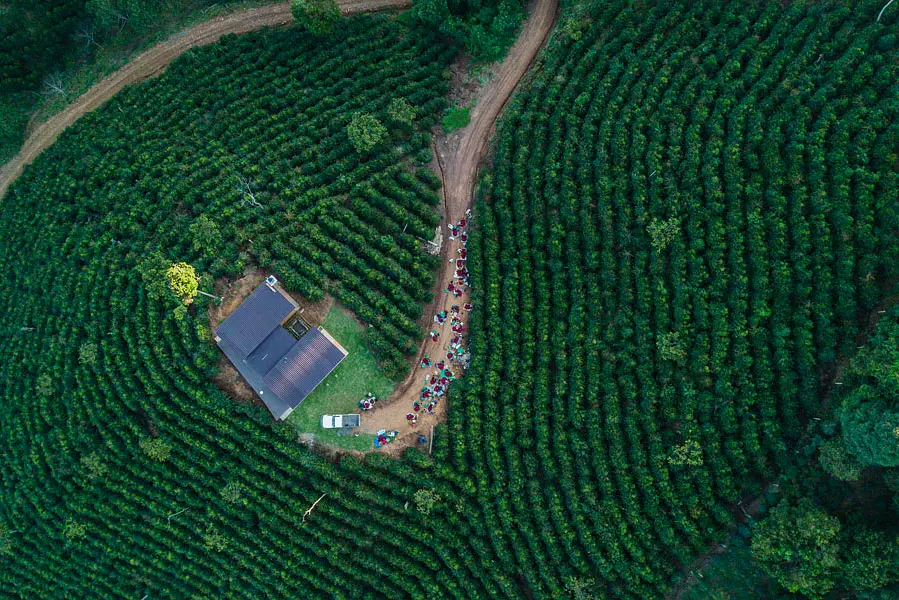
To improve the industry’s challenges, the “Sun of Tomorrow” initiative is committed to comprehensively enhancing coffee quality. By investing funds and technology, it guides smallholder farmers in mastering key techniques such as pruning, harvesting, and processing, and purchases their beans at premium prices to establish a sustainable business model. Between 2004 and 2009, the COE competition funded by foreign aid also provided a platform for quality competition among local farmers, but it was halted in 2009 due to political reasons and has not been resumed since.
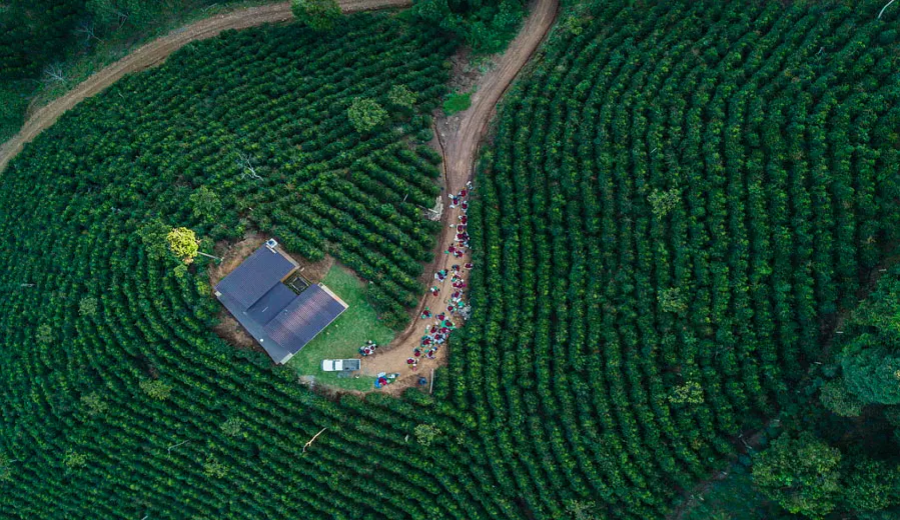
The Waliki Estate is one of the few small farms in Bolivia dedicated to quality innovation. Its Java variety coffee beans are renowned for their cacao natural processing method (Coco Natural). The estate is located in Bolinda Colony, about 10 kilometers outside the town of Caranavi in the La Paz Department, at an altitude of 1,600 meters, within the Yungas region.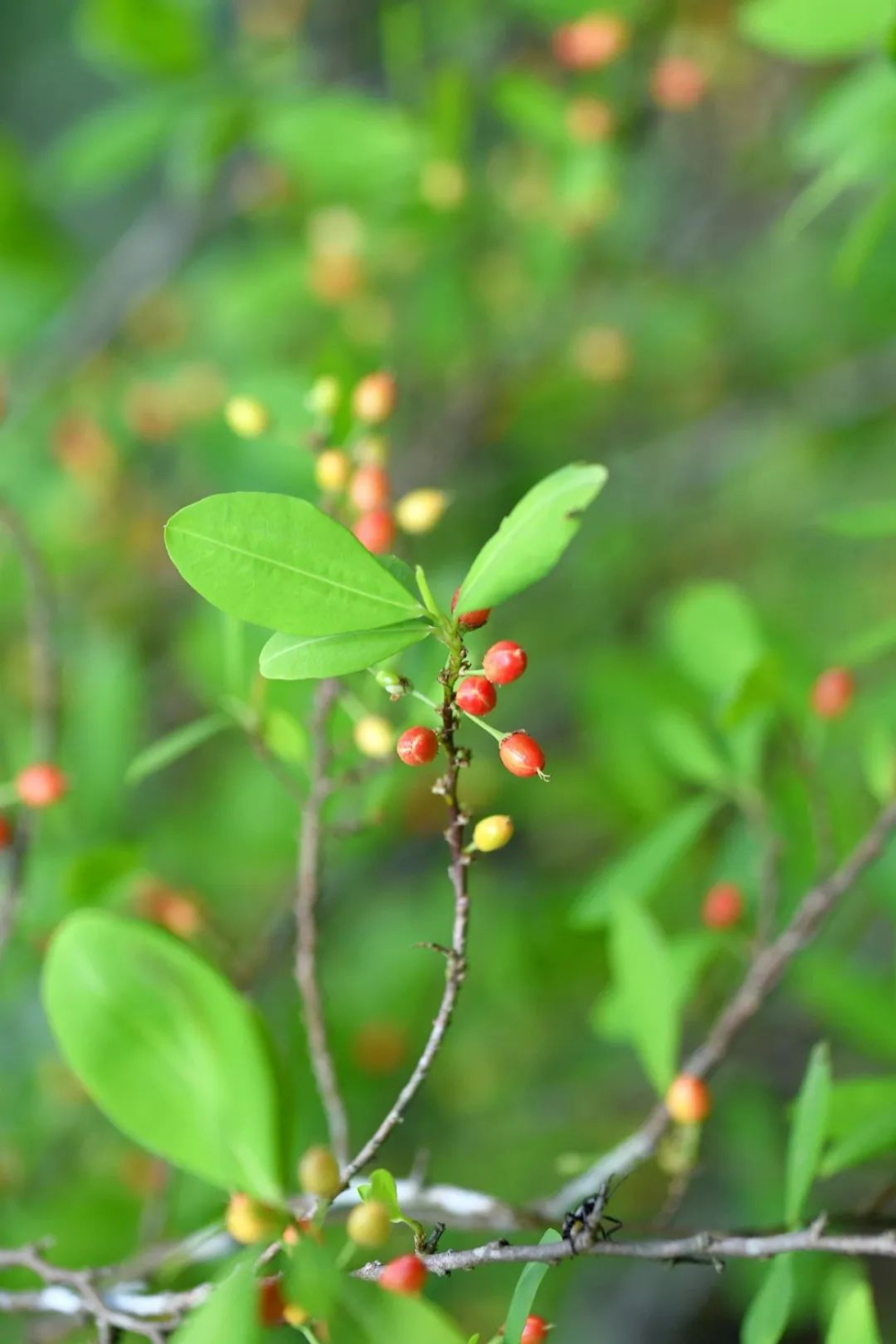
The name “Waliki” comes from a common local greeting meaning “How’s everything?” with typical responses being “All good” or “Hakuna Matata.” This estate is operated under Agricafe, a company owned by the Rodriguez family, which not only manages its own production but also sources premium lots from smallholders in the Yungas area. Covering 3.62 hectares, the high-altitude environment allows coffee cherries to ripen slowly, accumulating richer sugars and thus enhancing sweetness and flavor complexity.
During harvest season, the estate employs experienced pickers from the Bolinda community who carefully select only fully ripe coffee cherries, conducting multiple passes to ensure optimal ripeness. After picking, the cherries are transported in crates to avoid damage and maintain ventilation, preventing premature fermentation. Once cleaned, the coffee cherries are placed on African-style raised beds, turned daily for even drying, and after about a week, transferred to a cacao dryer for further processing.
The innovative aspect of this coffee’s processing lies in using a cacao dryer to slowly dry the beans at a constant temperature below 40°C, turning them every 30 minutes for roughly 35 hours. This significantly reduces the impact of weather on the drying process. After drying, the green beans are transported to La Paz for resting, then sent to Agricafe’s La Luna facility for hulling and meticulous hand sorting to ensure final quality.
The Java variety is referred to as the “long bean” in Bolivia due to its slender appearance. In reality, the variety originated in the Ethiopian rainforests, later traveled to Indonesia via Yemen, and became widely known under its local Indonesian name. Genetic studies indicate that Java is actually a descendant of the native Ethiopian variety Abysinia, contrary to earlier assumptions that it was a Typica variant. The variety later spread to Timor and Cameroon, was officially promoted in Cameroon in the 1980s, and was introduced to Costa Rica by breeder Benoit Bertrand in 1991, gradually expanding across Central and South America.
The Java variety has slender fruits and seeds, with yellowish-bronze-colored young shoots. The plants are tall but yield relatively low, yet they possess excellent disease resistance—especially strong against leaf rust and fruit diseases—making them well-suited for smallholder farmers. Cupping results show that the Java beans from the Waliki Estate deliver flavor performance that rivals even the well-known Geisha variety.
Brewing recommendations are as follows: 15 grams of coffee, a 1:15 coffee-to-water ratio, water temperature at 90°C, grind size passing through an 0.85mm sieve at 80%. Suggested use of Hario v60 #01 filter. First, pour 30 grams of water for a 30-second bloom; second, pour 95 grams of water (total 125 grams), completed around 1 minute and 5 seconds; third, pour 100 grams of water (total 225 grams), completed around 1 minute and 45 seconds. Total brew time is approximately 2 minutes.
In terms of flavor, this coffee presents a slight fermentation note, accompanied by layers of grape, nuts, and floral aromas. It has medium acidity, a juice-like refreshing mouthfeel, and is ideal for coffee lovers who enjoy a balance of fruity notes and delicate flavors.
The above content is compiled by CoffeeHunters, a coffee news website.


