







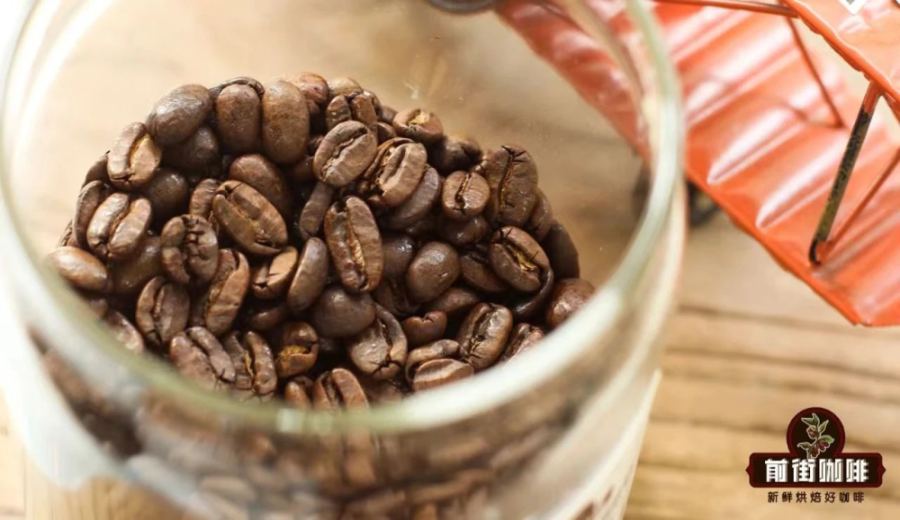
Introduction:Golden Mandheling is the top-tier representative of Sumatran coffee, meticulously selected and produced by PWN. Through multiple rounds of manual sorting, it ensures exceptional quality. This article delves into the bean’s origin background, variety characteristics, and the principles of the wet-hulling process, offering an in-depth analysis of green bean traits, roast curve design, and cupping flavors. It also provides practical pour-over parameters and staged pouring suggestions to help coffee enthusiasts master the brewing techniques for this classic bean.
Golden Mandheling (PWN Golden Mandheling) is one of the most iconic specialty coffees from Sumatra, Indonesia, strictly selected and produced by the renowned local coffee trading company PWN (Pwani Coffee Company). This coffee undergoes mechanical screening and at least three rounds of manual hand-picking, selecting only flawless, plump beans, thus achieving a high level of quality consistency. It is considered a classic among many coffee connoisseurs.
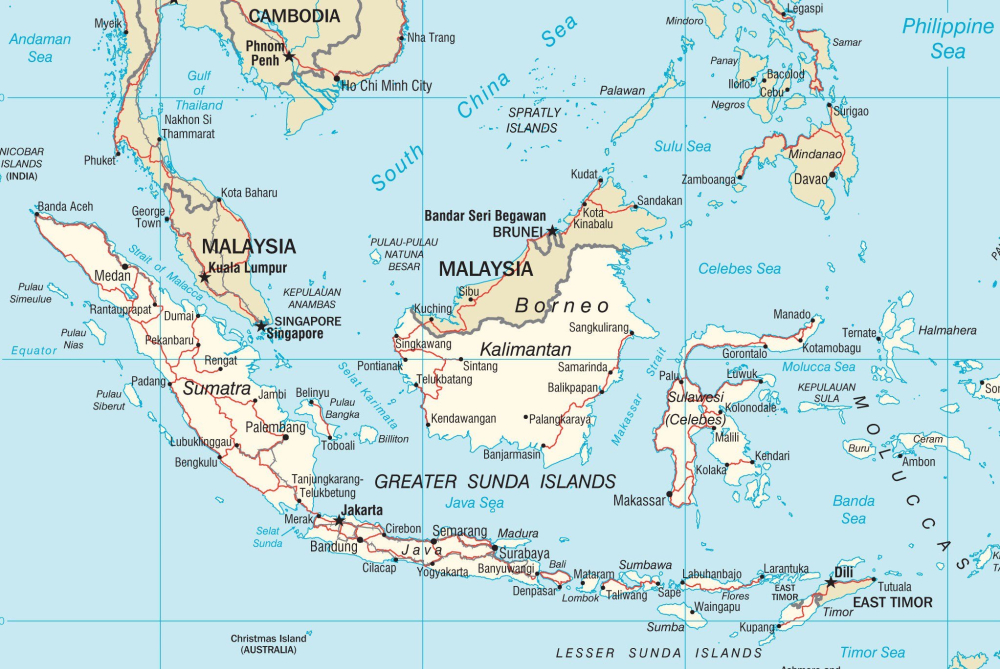
Region Introduction: Sumatra’s Coffee Gem
Sumatra is the main coffee-producing region in Indonesia, encompassing North Sumatra, South Sumatra, and several renowned micro-regions. Among them, Lintong in North Sumatra and the Lake Toba area are the core regions for Mandheling coffee. Lintong, known for its stable flavor profile and high quality, is regarded as the orthodox representative of Mandheling.
In addition to Lintong, the Tawar Lake area, though smaller in size, has seen significant improvements in both coffee quality and yield in recent years, gradually drawing market attention. Meanwhile, the Gayo Mountains in the Aceh Special Region, known for organic farming and high-altitude cultivation, produce coffee often referred to as “green coffee” or “Gayo organic coffee,” beloved for its unique bright acidity and floral-fruit aromas.
So, what is Golden Mandheling? This name originates from PWN’s strict definition of high-quality Mandheling. PWN first mechanically screens the purchased green beans, then has professionals conduct three or more rounds of manual hand-picking, retaining only beans that are 18 mesh size or larger and free of obvious defects, ensuring each bean meets high standards. It’s important to note that “Golden Mandheling” is a proprietary trademark of PWN. Many similarly named products on the market, if not from PWN, can generally only be classified as specialty Mandheling.
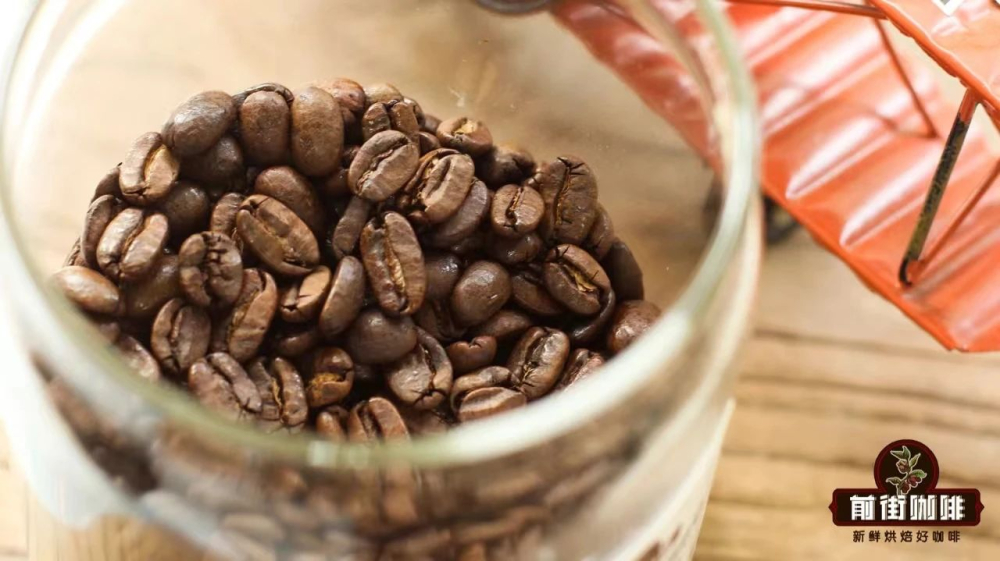
Wet-Hulling Process: The Key to Shaping Unique Flavors
The most common processing method for Indonesian coffee is wet-hulling (known in Indonesian as Giling Basah). This method differs significantly from the common washed process, giving Mandheling its distinctive bold, full-bodied, and low-acid characteristics.
The steps of the wet-hulling process are roughly as follows:
- First, remove the fruit skin and pulp of the coffee cherry, leaving the parchment and mucilage.
- Soak in water tanks to ferment and remove the mucilage.
- After washing, dry with the parchment on for 2–3 days until the moisture content drops to 20–24%.
- Remove the parchment, then continue drying the green beans to a moisture content of 12–13%.
- Finally, prepare for export.
This method involves removing the parchment before the beans are fully dry, significantly shortening the drying time and helping ensure stable production in Indonesia’s humid and rainy climate. However, because the beans are more fragile in their semi-dry state, they are prone to defects such as kuku kambing (goat hoof marks), so multiple rounds of hand-picking are required to reduce defect rates.
In terms of flavor, wet-hulling often brings out earthy, spicy, chocolatey, and smoky rich tones, with low acidity, a full body, and complex layers.
Green Bean Analysis: Premium Selection from High-Altitude Regions
The PWN Golden Mandheling sold under this brand is grown in the Gayo Highlands of Aceh Province, Sumatra, at altitudes between 1100 and 1600 meters. It is classified as G1 grade and has undergone three rounds of manual hand-picking. The processing method is traditional wet-hulling, and after moderate roasting, the beans exhibit prominent sweetness and intense aroma.
Common cupping flavor notes include toasted bread, pine, caramel, cocoa, along with hints of herbal and earthy undertones. This bean performs particularly well when freshly roasted, with soft acidity, distinct sweetness, and an overall full-bodied yet clean mouthfeel.
Brief Introduction to Common Indonesian Coffee Varieties
A wide range of Arabica varieties are grown in Indonesia, commonly including:
- Ateng: Actually a strain of Catimor, a hybrid of Arabica and Robusta, it is disease-resistant but has relatively ordinary flavor
- Djember (S-795): Promoted by Indonesia’s Jember Coffee Research Center, it is a hybrid of Kent and S-288, with relatively good aromatic qualities
- Tim Tim: Also called monkey-face beans, these are natural hybrids of Arabica and Robusta, with strong disease resistance and a distinctive shape
These varieties, adapted to Indonesia’s high humidity and disease-prone environment, have become the primary choices for local cultivation.
Roasting Recommendations: Mastering the Balance of Moisture and Heat
Golden Mandheling green beans have a relatively high moisture content, so stability during the drying phase of roasting is especially important. It is recommended to start with an inlet temperature of around 200°C, begin with a low-temperature soak for 30 seconds, then gradually increase the temperature. After first crack, adjust heat and air vent settings as needed to stabilize flavor development.
A typical roast curve might look like this: inlet temp 200°C, air vent 3, after 1 minute reduce heat to 160°C, wait until temperature reaches 148°C and the bean surface turns yellow, then adjust air vent and heat. When first crack begins, reduce heat to 60°C and open the air vent fully, finally dropping the beans at around 204.5°C.
Cupping results show that this bean performs well whether dropped just before or after second crack, offering a good balance of sweetness and cleanliness. It is suitable for exploring flavor differences across various roast levels.

Pour-Over Parameters and Brewing Tips
To fully showcase the richness and aroma of Golden Mandheling, it is recommended to use a medium-dark roast and brew within 5 days of roasting to achieve optimal freshness. Here are practical pour-over suggestions:
- Filter: KONO
- Water temperature: 88°C
- Grind size: Medium-coarse (about 70% through a Chinese No. 20 sieve)
- Coffee dose: 15 grams
- Coffee-to-water ratio: 1:15
Brewing steps:
- First pour: Use double the coffee dose (about 30 grams) of water for the bloom, for 30 seconds
- Second pour: Pour with a small stream in circular motions from the inside out, adding water up to 125 grams and then pausing
- Third pour: Once the water level drops to about halfway down the filter, continue pouring in circles up to 225 grams, with total extraction time of about 2 minutes
- After extraction, gently swirl the coffee liquid before enjoying
With these parameters, Golden Mandheling displays rich layers of flavor, dominated by notes of nuts, caramel, and chocolate, with a long finish and excellent balance—perfect for coffee lovers who enjoy bold, full-bodied profiles.
The above content is compiled by CoffeeHunters, a coffee news website.


