








Introduction:Jamaica Blue Mountain and Indonesian Golden Mandheling — two globally renowned classic medium-to-dark roasted coffee beans, each boasting unique flavor profiles and regional cultural backgrounds. This article delves into their growing environments, varietal characteristics, processing methods, and green bean appearances, while comparing their flavor performance using actual pour over parameters to help coffee enthusiasts make more precise choices based on taste preferences.
The world of coffee is rich and diverse — some people prefer bright fruity acidity, others enjoy intense bitter richness, and many seek balanced, full-bodied flavors, particularly those enhanced by the aromatic depth and layered complexity brought by medium-to-dark roasts. Among the many classic coffee beans, Jamaica Blue Mountain and Indonesian Golden Mandheling stand out as premium options with stable flavors and rich layers. They are not only highly favored by professional evaluators but also considered classics among seasoned coffee aficionados.
Jamaica Blue Mountain Coffee: The Crystallization of High Altitude and Strict Standards
Jamaica Blue Mountain coffee is grown in the Blue Mountains of Jamaica, an island in the Caribbean. The highest peak in the range reaches 2,400 meters, making it the tallest in the area. The Blue Mountain region features a tropical rainforest climate, with year-round rainfall, high humidity, fertile newly formed volcanic soil, and significant day-night temperature variations — all of which create an ideal environment for coffee cultivation. Notably, Blue Mountain coffee refers specifically to beans grown in four administrative districts on the eastern foothills of the mountains — St. Andrew, St. Thomas, St. Mary, and Portland — at elevations between 1,000 and 1,700 meters. The total planting area spans only about 6,100 hectares, making production extremely limited.
Only coffee grown within this specific region and at qualifying altitudes can be certified as authentic Jamaica Blue Mountain coffee. If the altitude is between 500 and 1,000 meters, the beans are downgraded to “Jamaica High Mountain Coffee”; those below 500 meters are classified as “Jamaica Prime Coffee.” It’s worth mentioning that Blue Mountain coffee is one of the very few regions that uses wooden barrels for shipping green beans, which helps maintain bean integrity and flavor better than the burlap sacks commonly used for other coffees.
Harvesting of Blue Mountain coffee relies entirely on manual labor. Due to uneven ripening of the coffee cherries, multiple passes are required, making the process complex and labor-intensive. After harvest, the beans undergo rigorous drying, manual selection, and mechanical grading. Only batches that pass the professional cupping tests conducted by the Jamaica Coffee Industry Board are eligible for export to global markets, ensuring exceptionally strict quality control.
Indonesian Golden Mandheling: Bold Spice Notes Shaped by Wet Hulling
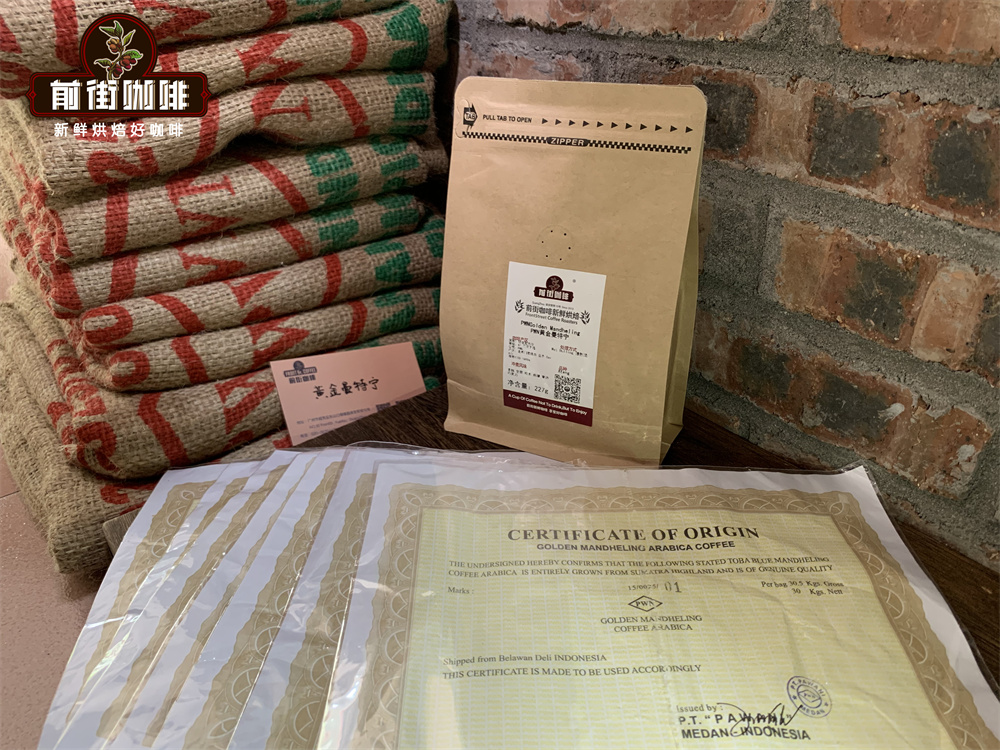
Indonesian Golden Mandheling comes from the island of Sumatra, which has a tropical rainforest climate characterized by high temperatures, high humidity, and fertile volcanic soils that provide abundant nutrients for coffee. Golden Mandheling is a premium-grade Mandheling selected by Pwani Coffee Company (PWN), a well-known Indonesian coffee trading firm. The term “Golden” signifies its rigorous selection process — only beans larger than 20 mesh (approximately 8 mm) and with intact, flawless bodies are chosen.
After procurement, these beans go through multiple rounds of manual sorting to remove defects, ensuring each one meets high standards. Dubbed the “King of Mandheling,” Golden Mandheling is a rare and premium Typica variety from Sumatra, primarily supplied to the Japanese market. It offers a rich flavor profile with distinctive spice and herbal notes, a pronounced and lingering aftertaste, and is especially beloved by fans of bold-flavored coffee.
The processing method for Golden Mandheling employs Indonesia’s uniqueWet Hulling (Wet Hulling)technique. The steps include: first removing the skin and pulp, leaving the parchment and mucilage intact, followed by water tank fermentation, then washing off the mucilage. The beans, still in their parchment, are then sun-dried for 2–3 days at approximately 20–24% moisture content. Once the moisture level drops to a certain point, the parchment is removed, and the beans continue drying until they reach 12–13% moisture content before export. This method results in thicker bean bodies, and due to the “semi-dry” state during processing, the parchment doesn’t detach easily, requiring greater friction for hulling. This also contributes to its unique flavor profile.
Green Bean Appearance and Varietal Differences
Both Blue Mountain and Golden Mandheling use the ancient Typica variety, but they show significant differences in appearance.Blue Mountain green beans are typically sized 17 mesh or above, exhibiting a beautiful bluish-green color with an extremely low defect rate (below 3%) and a moisture content of around 13%, resulting in a plump and uniform overall appearance.Golden Mandheling beans are mostly 19 mesh or above, with a darker green hue and a regular flat bean shape. However, due to the influence of wet hulling, they often feature so-called “elephant ear beans” (i.e., slightly curved edges), which are not defects but rather a natural result of the processing.
Pour Over Flavor Comparison (KONO Filter / 15g Coffee / 88°C / 1:15 Coffee-to-Water Ratio / BG#6M Grind)
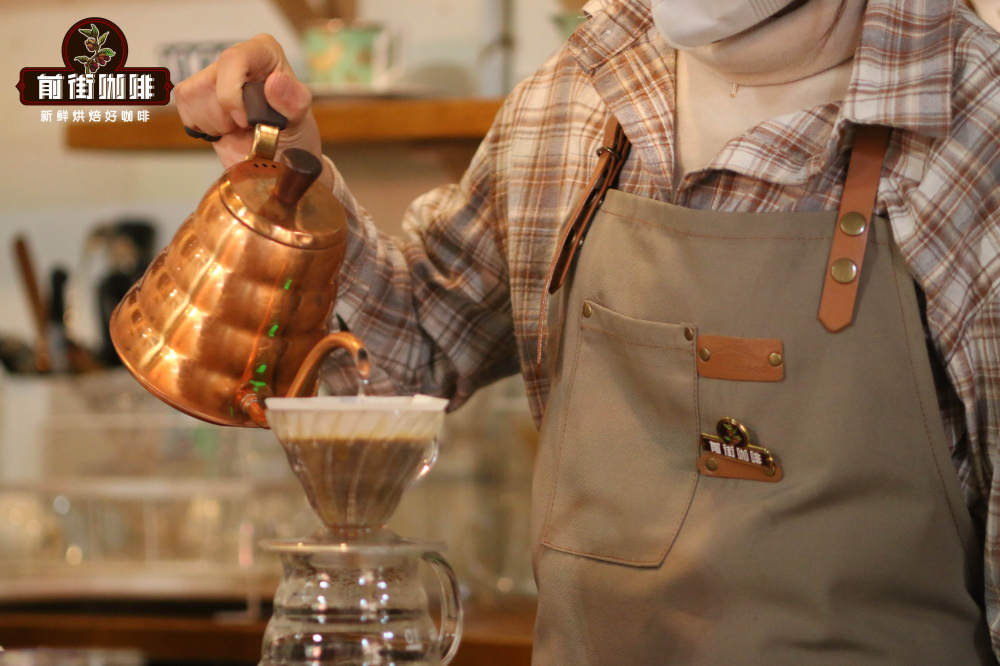
Using the same pour over parameters allows for a more intuitive comparison of the flavor profiles of the two coffees. With a KONO filter, the first step is a 30-second bloom with 30g of water, followed by pouring up to 125g, then topping up to 225g to complete the extraction.
Jamaica Blue Mountain displays a notablyclean and brightflavor profile, primarily featuring smooth notes of dark chocolate, nuts, and cream. Its balance of acidity, sweetness, and bitterness is well-rounded, with a silky mouthfeel and distinct layering — ideal for those who enjoy subtle, balanced flavors.
In contrast, Indonesian Golden Mandheling presents a morebold and intense spice and herbal character. Right from the first sip, you’ll notice a solid foundation of nuts and chocolate paired with unique spicy undertones, and a long-lasting caramel-like aftertaste. The overall flavor is rich and multi-layered, making it particularly appealing to coffee lovers who prefer strong, full-bodied tastes.
Though both are medium-to-dark roasted styles with similarly bold mouthfeels, Blue Mountain excels inclean flavors and balanced acidity-sweetness, whereas Golden Mandheling is distinguished byprominent spice notes and a rich aftertaste. Whether you lean toward one flavor type or the other, these two classic beans are well worth trying and can serve as excellent starting points for exploring the world of specialty coffee.
The above content is compiled by CoffeeHunters, a coffee news website.


