







Introduction:Although both Sumatra Mandheling and Golden Mandheling originate from the same region, they differ significantly in flavor, quality, and processing methods. This article provides an in-depth comparison between Lintong Mandheling and PWN Golden Mandheling, examining differences in growing environment, bean variety and grade, defect rate, and processing techniques. It also explores their performance in roasting profiles and pour over parameters. Through cupping comparisons from two harvest seasons in 2020, we reveal why Golden Mandheling offers a cleaner cup with pronounced sweetness, and provide practical extraction tips using the KONO filter to help coffee enthusiasts find their own preferred Sumatran flavor profile.
When it comes to Sumatran coffee, many people immediately think of Mandheling. However, both “Mandheling” and “Golden Mandheling,” which also come from Central-Northern Sumatra, often leave beginners and even seasoned coffee drinkers puzzled: what exactly is the difference between the two? In fact, although both originate from the Lake Toba area in Central-Northern Sumatra, they show significant differences in variety selection, processing methods, defect control, and overall flavor expression.
Let’s first talk about the commonly seen Lintong Mandheling. The Lintong region is located in Central-Northern Sumatra, near Lake Toba, at an altitude of about 900 to 1200 meters, and is one of the traditional key producing areas of Mandheling. The coffee here is mostly processed using semi-washed or the so-called “wet hulling” method, resulting in a unique profile that is full-bodied, low in acidity, and carries earthy and spicy notes. The common bean variety in Lintong Mandheling is Ateng, a natural hybrid of Robusta and Arabica, which has strong disease resistance but consequently slightly less complex flavors compared to pure Arabica varieties.
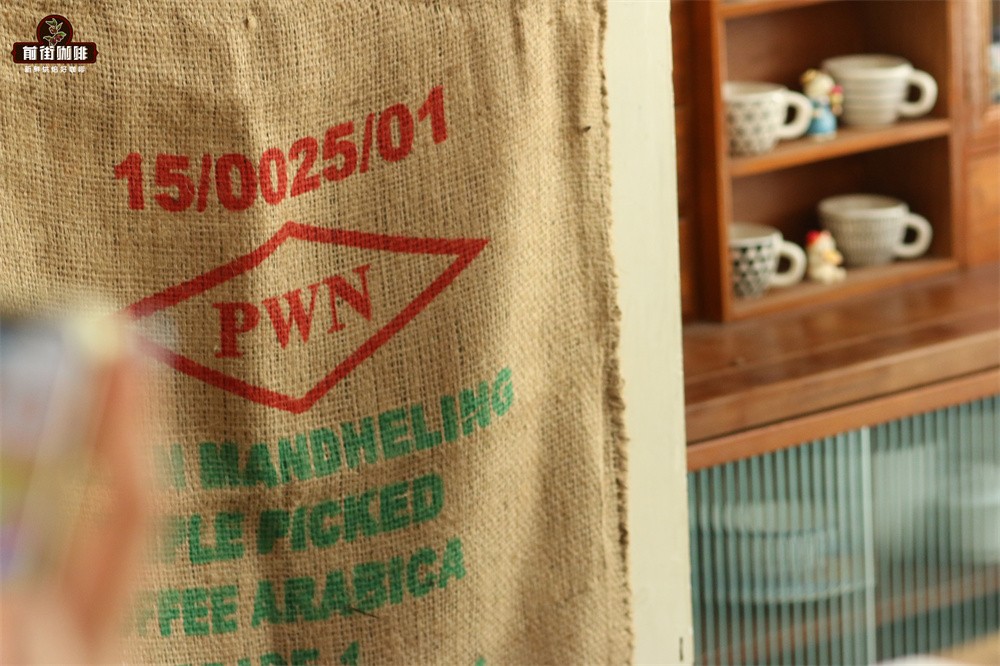
In contrast, Golden Mandheling is considered a premium grade among Mandhelings. In fact, the name “Golden Mandheling” is a registered trademark by Indonesia’s Pawani Coffee Company (PWN), meaning that only Mandheling produced by PWN qualifies as authentic Golden Mandheling. Through manual selection, PWN carefully removes defective beans, ultimately keeping only those that are plump and uniformly colored, with a defect rate typically around just 2%, far lower than the more than 10% found in regular Mandheling. This process includes at least three rounds of manual sorting and one mechanical selection to ensure each green bean meets high standards.
In terms of processing methods, due to Sumatra’s rainy climate and limited sunlight, traditional sun drying is difficult, while washed processing is relatively costly. As a result, the region has developed its unique “wet hulling” method. This involves fermenting the beans in water, then keeping them wrapped in their parchment layer and subjecting them to brief sun drying until the moisture content reaches about 20–24%. The parchment is then removed to accelerate drying. While this method effectively adapts to Sumatra’s weather conditions, the rapid process can easily lead to defective beans. Golden Mandheling, through strict screening, greatly reduces such issues, resulting in a cleaner and more consistent flavor.
In cupping evaluations, Golden Mandheling from the May and October 2020 harvests also shows subtle differences. According to multiple cupping results, the May harvest Golden Mandheling features flavors of nuts, spices, herbs, and dark chocolate, with an overall profile that is full-bodied and accompanied by a hint of licorice and caramel in the aftertaste. Its flavor outline is clear and clean. The October harvest, on the other hand, exhibits brighter acidity with a slight tartness reminiscent of dark chocolate, mid-palate notes of herbs and nuts, and a more pronounced caramel sweetness in the finish. The overall performance is fresher and better balanced.
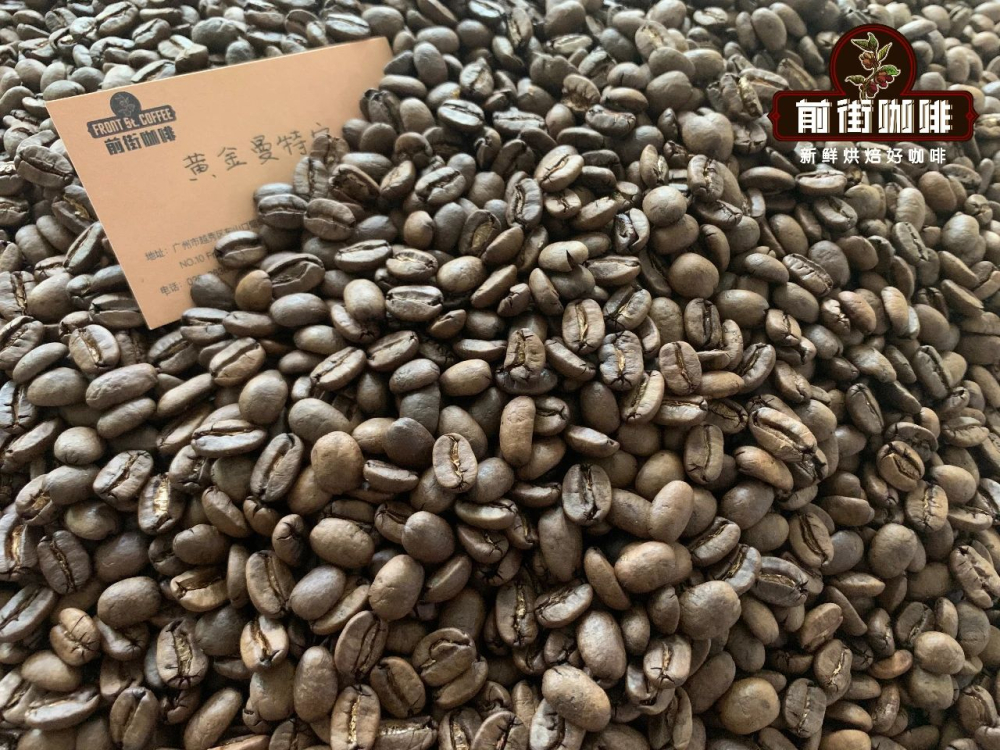
In terms of roasting, since Golden Mandheling green beans generally have a higher moisture content, it is recommended to pay special attention to heat control during the drying phase. It is generally advised to set the initial roaster temperature at 200°C with the air vent at level 3. Once the bean surface turns yellow and the grassy notes fade, gradually adjust the air vent and heat. After the first crack, you can increase the air vent and heat to stabilize flavor development. An appropriate roast level (usually medium-dark) helps to bring out its rich sweetness and full body while suppressing excessive off-flavors.
As for pour over brewing, it is recommended to use the KONO filter, which has good sealability and moderate drainage speed, effectively highlighting the full body and sweetness of Sumatran coffee. In practice, you can use water at 88°C, a small Fuji grind size 4 (between medium-coarse and medium-fine), and a coffee-to-water ratio of 1:15. Start with a 30-second bloom using twice the amount of water by coffee weight, then pour in a circular motion with a slow stream until reaching 125 grams, followed by a pause before pouring again up to 225 grams. The total brew time should be around 2 minutes. These parameters effectively balance sweetness, acidity, and body, making it ideal for everyday brewing.
In summary, although both Lintong Mandheling and Golden Mandheling originate from Sumatra, the former leans more toward a classic flavor profile with traditional body and pronounced spice notes, while the latter stands out with higher quality, a cleaner taste, and prominent sweetness. If you’re seeking a Sumatran coffee with clear flavors, pronounced sweetness, and minimal off-notes, Golden Mandheling is undoubtedly the more advanced choice. By understanding their regional backgrounds, processing methods, and brewing characteristics, you’ll be able to more precisely appreciate the unique charm of Sumatran coffee.
The above content is compiled by CoffeeHunters, a coffee news website.


