








Introduction:Cold drip coffee is often mistakenly referred to as Dutch Coffee, but in reality, this name originates from Japanese marketing rather than being mainstream in Europe or America. This article delves into the myths surrounding the origins of cold drip coffee, the differences between it and cold brew or Kyoto-style iced coffee, and provides a detailed guide on how to use a cold drip brewer, including grind size, coffee-to-water ratio, and other key extraction parameters. Learn how to bring out the rich fruity and fermented notes of coffee through low-temperature slow brewing—whether using single-origin beans or blends, you'll find practical advice here.
Cold drip coffee is also known as Dutch Coffee, but did you know that this term was actually a marketing story fabricated by Japanese coffee businesses to promote cold drip brewers? In fact, the cold brew method commonly used in Europe and America typically involves steeping coffee grounds in cold water for an extended period, which is an immersion-style extraction—not the slow, drop-by-drop method of Japanese cold drip. This article will take you from the origins of cold drip coffee and the differences between cold brew and Kyoto-style iced coffee, to gradually exploring the practical operational essentials of cold drip coffee, including brewer structure, grind size, coffee-to-water ratio, and drip rate control. It will help you master this low-temperature slow brewing method.

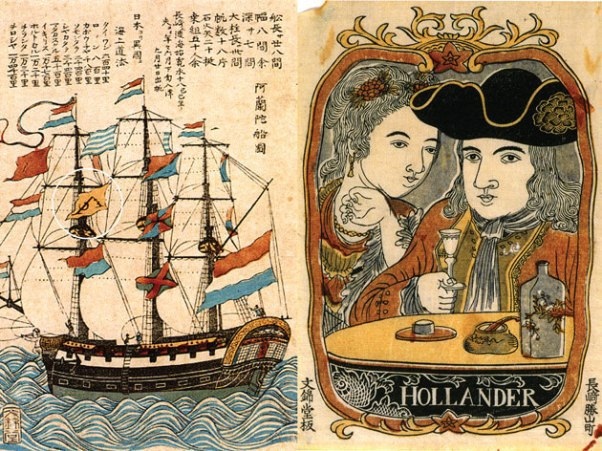
Regarding the origin of cold drip coffee, a common story is that in the 17th century, Dutch sailors, lacking hot water while transporting coffee beans, used cold water to brew coffee and unexpectedly discovered that this method produced a smoother and more mellow flavor. However, this is actually a marketing tale created by Japanese businesses to promote cold drip brewers, and not real history. In Europe and America, what is called Dutch Coffee does not specifically refer to cold drip, but broadly refers to coffee brewed at low temperatures—where the mainstream method is actually immersion-style cold brew, rather than the drip-style popular in Japan.
So, what exactly is cold drip coffee? Simply put, it is a method where ice water drips at a fixed rate through a bed of coffee grounds, extracting coffee flavors slowly under normal pressure and low temperature. This low-temperature extraction method effectively suppresses the release of bitter substances, while extending the extraction time to concentrate flavors and create layers—especially effective in highlighting fruity acidity and fermented notes, making it very suitable for summer consumption.
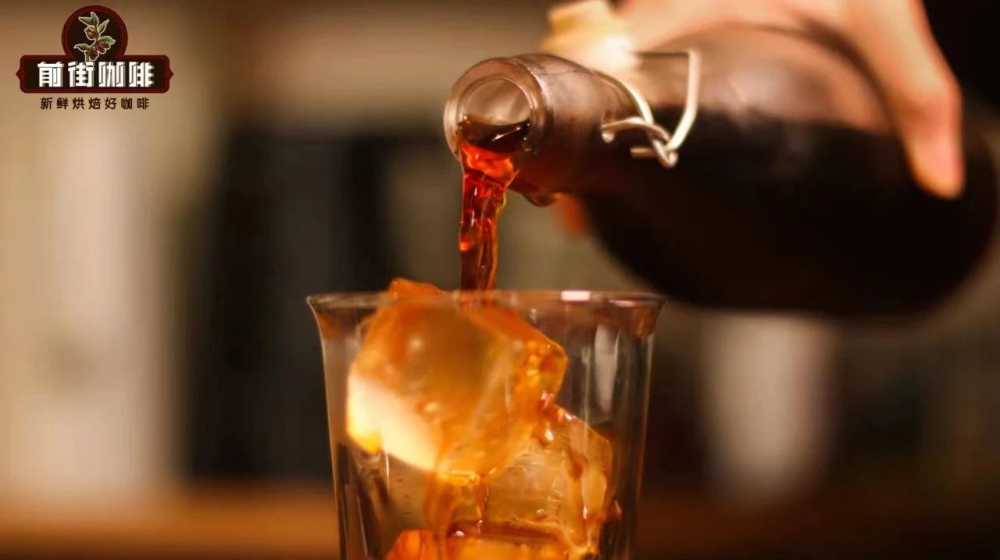
Cold drip coffee falls under the broader category of Dutch coffee and is usually grouped together with cold brew (Cold Brew). Although the term Dutch coffee is often associated with cold drip, in reality, in Europe and America, immersion cold brew is the more common method. Cold brew coffee involves mixing coffee grounds with ice water and letting them sit for a period of time (usually 12 to 24 hours) before filtering. This method also features low-temperature extraction, bringing unique wine-like aromas and sweet-sour notes.
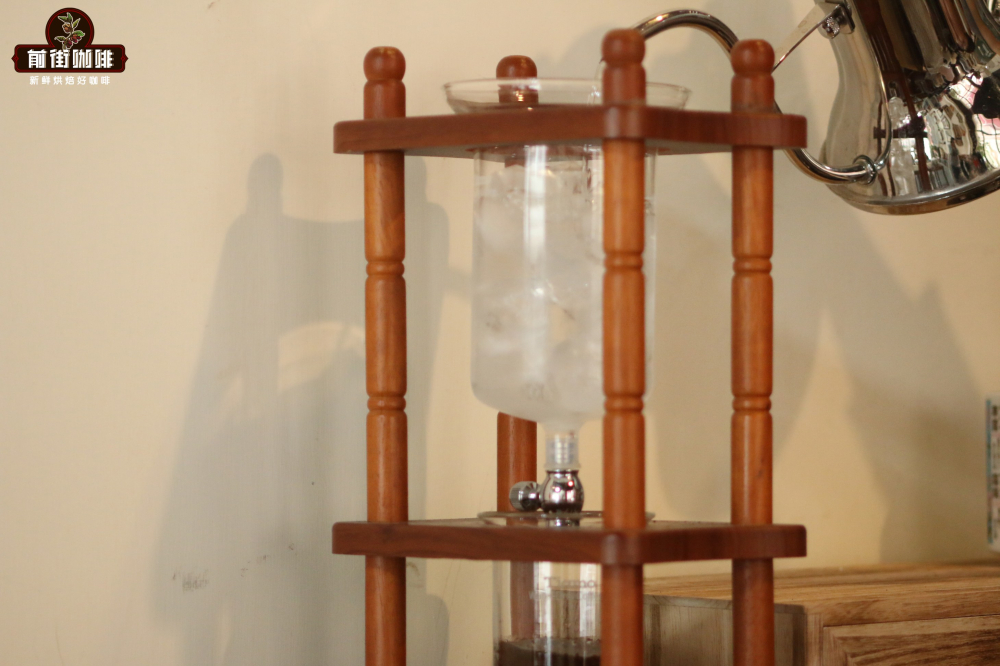
The structure of a cold drip brewer can be divided into four main components: the top chamber, the valve, the coffee chamber, and the bottom chamber. It generally follows a three-tier design (top, middle, and bottom) for easy assembly and cleaning. The top chamber holds the ice water mixture, and the flow rate is regulated by the middle valve so that the ice water drips evenly into the coffee chamber containing the ground coffee. The extracted liquid then drips through the filter holes at the bottom of the coffee chamber into the bottom chamber for collection. It is recommended to choose materials that are easy to disassemble and clean for daily use and maintenance.
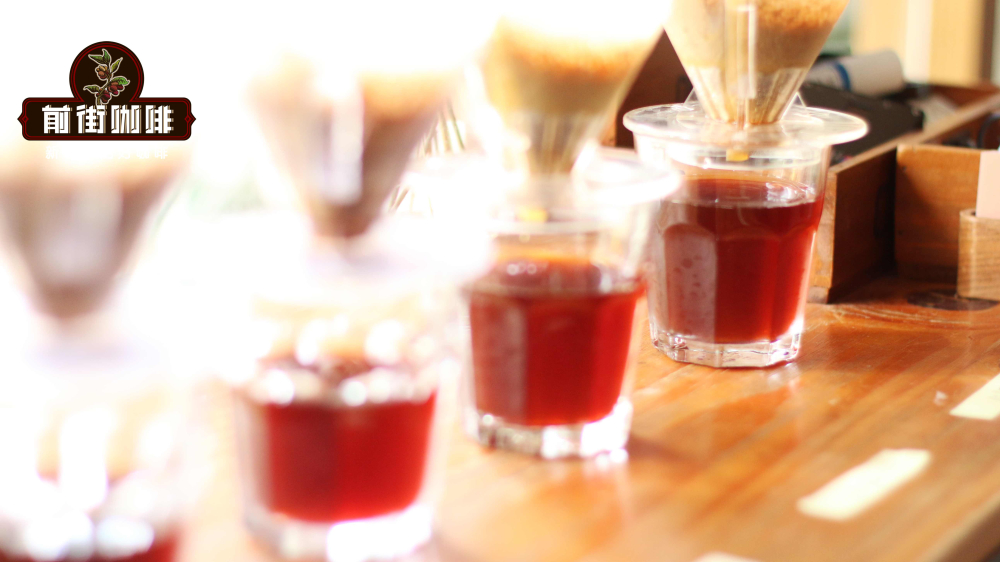
During actual operation, it is recommended to use a medium-coarse grind, similar to the medium-coarse level used in pour over coffee—for example, around 9 on the ek-43s grinder, which corresponds to 85% extraction through a Chinese No. 20 sieve. The general coffee-to-water ratio is 1:10 to 1:12, such as 60 grams of coffee grounds to 600 grams of ice water, which can be slightly adjusted according to personal taste. The drip rate is recommended to be controlled at 7 drops per 10 seconds, with the total extraction time being around 6 to 8 hours, depending on ambient temperature and drip speed.
Before the official extraction, it is recommended to wet the coffee grounds with cold water first. This helps with even expansion and pre-infusion, improving the efficiency of subsequent extraction. It is also advised to place filter paper at the bottom of the coffee chamber to ensure an even coffee bed and prevent channeling caused by direct water impact. After extraction, the coffee liquid can be poured into a sealed container and refrigerated for more than 12 hours to allow further fermentation and flavor integration, resulting in a smoother and more layered cup.
As for coffee bean selection, the cold drip method is particularly well-suited for showcasing beans with distinct flavor profiles. For example, beans with tropical fruit and fermented wine notes—such as those processed with grape anaerobic methods—can have their fruity and sweet characteristics amplified through cold drip. Meanwhile, washed-process beans with bright acidity can present refreshing flavors reminiscent of pomelo or cherry tomatoes, ideal for those who prefer a lighter taste. In addition, dark-roasted beans like Golden Mandheling can also showcase rich chocolate and mellow sweetness through cold drip, without becoming overly bitter.
If you want to experiment with different flavor combinations, blends can also be used. For instance, mixing beans with vastly different profiles—like Lychee Orchid and Musician Beethoven—in certain proportions can simultaneously deliver complex sensations of wine aroma, honey sweetness, and fruity acidity. When blending, you can adjust the ratios based on your personal preference to create your own unique cold drip flavor.
In summary, the charm of cold drip coffee lies in the delicate flavors and rich layers revealed through its low-temperature slow brewing process. Whether you're looking to explore fruity fermentation notes, bright acidity, or intense sweetness, as long as you master key parameters like grind size, coffee-to-water ratio, and drip rate, you can easily brew high-quality cold drip coffee at home. Remember to use freshly roasted coffee beans to achieve the best flavor expression.
The above content is compiled by CoffeeHunters, a coffee news website.


