







Introduction:Decaf coffee is not completely caffeine-free but has at least 97% of its caffeine content removed. This article starts from its historical origins, delves into the three main decaffeination methods — the Swiss Water Process, solvent-based methods, and the CO₂ process — analyzing their principles, pros and cons, and practical applications. It also explores the nutritional content and antioxidant capacity of decaf coffee, as well as common misconceptions about its flavor, helping you make a smarter choice.
So-called decaf coffee (decaffeinated coffee) refers to coffee beans from which at least 97% of the caffeine has been removed, rather than being entirely caffeine-free. During the processing stage, before extraction and roasting, specific techniques are used to significantly reduce the caffeine content while preserving as much of the other nutrients and flavor compounds as possible. Many people assume that decaf coffee tastes bland or fails to satisfy their taste preferences, but the key actually lies in the processing method and the quality of the beans.
The history of decaf coffee can be traced back to the early 19th century. It is said that the German literary giant Goethe, who loved coffee but suffered from its impact on his sleep, asked his chemist friend Runge to help analyze the components of coffee beans. Around 1820, Runge successfully identified caffeine as the main culprit affecting sleep and initially developed a separation technique, regarded as a precursor to decaf coffee. However, due to technological limitations at the time, it wasn’t until 1903 that the German merchant Ludwig Roselius discovered that coffee beans soaked in seawater showed a significant reduction in caffeine. He subsequently organized a team to develop extraction technology, leading to the true mass production of decaf coffee.
Currently, the mainstream decaffeination processes on the market can be divided into three major categories: the Swiss Water Process, solvent-based methods, and the CO₂ process. Each method has its own scientific principles and operational procedures, which also influence the final flavor profile of the coffee.
Swiss Water Process (The Swiss Water-Only Process)It is a purely physical, chemical-solvent-free decaffeination method. In this process, green coffee beans are first soaked in hot water, which has already absorbed all the flavor compounds except caffeine from the beans — this water is referred to as “flavor-charged water.” The beans are then filtered out, and activated carbon filters are used to remove only the caffeine from the water, leaving behind hot water rich in flavors. Finally, this same water is reused to soak a new batch of green beans, allowing the beans to release caffeine while retaining their original flavors, thus achieving the goal of decaffeination. This method involves no chemical additives and is suitable for consumers who prioritize natural and healthy options.
Solvent-Based Process (The European or Solvent Process)This method achieves caffeine extraction by directly combining chemical solvents with caffeine. The most commonly used solvent is dichloromethane. First, steam is used to open the pores of the green beans, then the solvent is introduced to bind with the caffeine, after which the solvent is removed and residual traces are eliminated through high-temperature steaming. Notably, dichloromethane has a boiling point of only 39.8°C and is almost completely vaporized during the high heat of roasting, meaning it does not remain in the final product. This method is efficient and widely used, but some consumers still have concerns about chemical solvents.
CO₂ Process (Carbon Dioxide Process)Also known as supercritical CO₂ decaffeination technology, it utilizes the liquid-like properties of carbon dioxide under high-pressure conditions to act as a caffeine-extracting solvent. During the operation, green beans are placed in a sealed high-pressure stainless-steel chamber, where liquid CO₂ is injected. The CO₂ selectively binds with caffeine molecules without affecting other flavor components. This method can precisely extract caffeine while preserving the original flavors to the greatest extent, and is considered a more premium technique that also maintains flavor quality.
Regarding the question of whether “decaf coffee tastes bad,” the answer is not absolute. Many commercially available decaf coffees have poor flavor mainly because cheaper commercial beans are used in the raw material selection, rather than an issue with the decaffeination process itself. In fact, if high-quality Arabica beans are used for decaffeination, their performance can still be quite impressive. The key lies in whether the aromatic compounds and the balance of acidity and sweetness can be properly preserved during the process.
Additionally, many people mistakenly believe that decaf coffee contains zero caffeine. In reality, according to international standards, decaf coffee is allowed to retain 2% to 3% of its original caffeine content. This means that a cup of decaf espresso may still contain 0 to 7 milligrams of caffeine, which for most people is an amount that will hardly affect sleep quality.
From a nutritional and health perspective, decaf coffee still retains a considerable amount of antioxidants. Although the decaffeination process may cause a loss of around 15% of antioxidants such as hydroxycinnamic acids and polyphenols, the overall content remains fairly close to that of regular coffee. These antioxidants can effectively combat free radicals and have potential benefits in preventing cardiovascular diseases, diabetes, and certain types of cancer. Moreover, decaf coffee also contains trace amounts of nutrients such as magnesium, potassium, and niacin (vitamin B3), and drinking several cups a day can still help supplement daily nutritional needs.
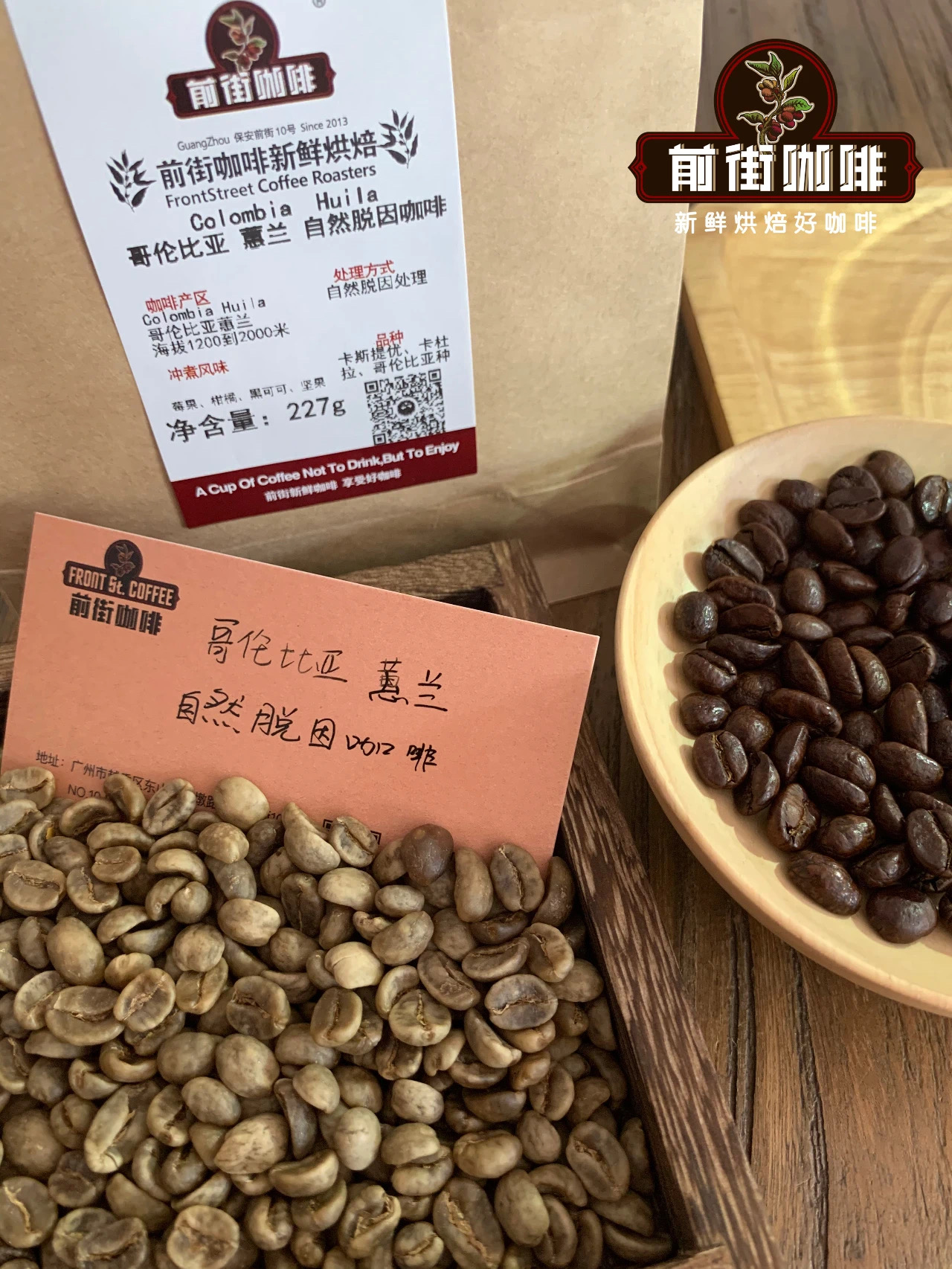
In summary, decaf coffee is not only suitable for those who are sensitive to caffeine or wish to reduce their intake, but can also, through appropriate decaffeination methods and high-quality bean varieties, offer flavor and health benefits similar to regular coffee. Understanding the principles and characteristics of various decaffeination techniques can help you choose the decaf coffee product that best suits your needs.
The above content is compiled by CoffeeHunters, a coffee news website.


