








Introduction:When opening a small coffee shop, selecting the right coffee bean supplier and procurement channel is key to ensuring coffee quality and controlling costs. This article provides an in-depth analysis of the five common types of coffee bean purchasing methods used by small cafés, and evaluates the selection criteria for high-quality commercial beans based on five key indicators: freshness, consistency, cost-effectiveness, variety, and crema performance. It also compiles practical insights on the importance of packaging design, roast date, and the stability of blend formulations to help café operators effectively choose the right bean sources.
For entrepreneurs looking to run a small coffee shop, besides equipment and space planning,the choice of coffee bean procurement channels and supplierswill directly impact the daily quality of your offerings and overall operational costs. This article offers a comprehensive overview of the five most common ways small cafés source their coffee beans, and uses five key evaluation criteria to help you select the most suitable commercial coffee beans.
Generally speaking, the sources of coffee beans for small cafés can be divided into the following five categories:local comprehensive ingredient suppliers, specialized coffee bean suppliers, coffee training institutions, online brand retailers, and purchasing raw beans for self-roasting. Each method has its pros and cons, suiting operators at different stages and with varying needs.
The first option is local ingredient suppliers. These businesses often also sell other food and beverage ingredients such as bubble tea and ice cream. While the quality of their coffee beans may not be outstanding, their stable order volumes usually result in more affordable prices. According to industry insiders, the cost per kilogram generally ranges from 20 to 30 RMB, making it a common choice for shops with limited initial budgets.
The second category isspecialized coffee bean suppliers, which are often also equipment or coffee tool providers. Since trust and cooperation are already established when purchasing coffee machines or grinders, many cafés continue buying beans from these suppliers. The pricing is competitive, and the bean quality is generally dependable.
The third channel is purchasing beans through coffee training institutions. Some students who complete courses go on to open their own shops and, for convenience and familiarity, continue using the same coffee bean sources provided by their training institutions. This is considered a stable and trustworthy option.
The fourth option is procuring throughonline brand retailers. Well-known coffee brands available on major e-commerce platforms fall under this category. They offer a wide variety and frequent promotions, making them ideal for operators who wish to compare flavors and prices across different brands.
The final method isdirectly purchasing green beans for self-roasting. Although this approach offers high flexibility and full control over roast level and flavor, it also requires greater investment in equipment, expertise, and time. It is generally recommended only for operators with some understanding of coffee roasting.
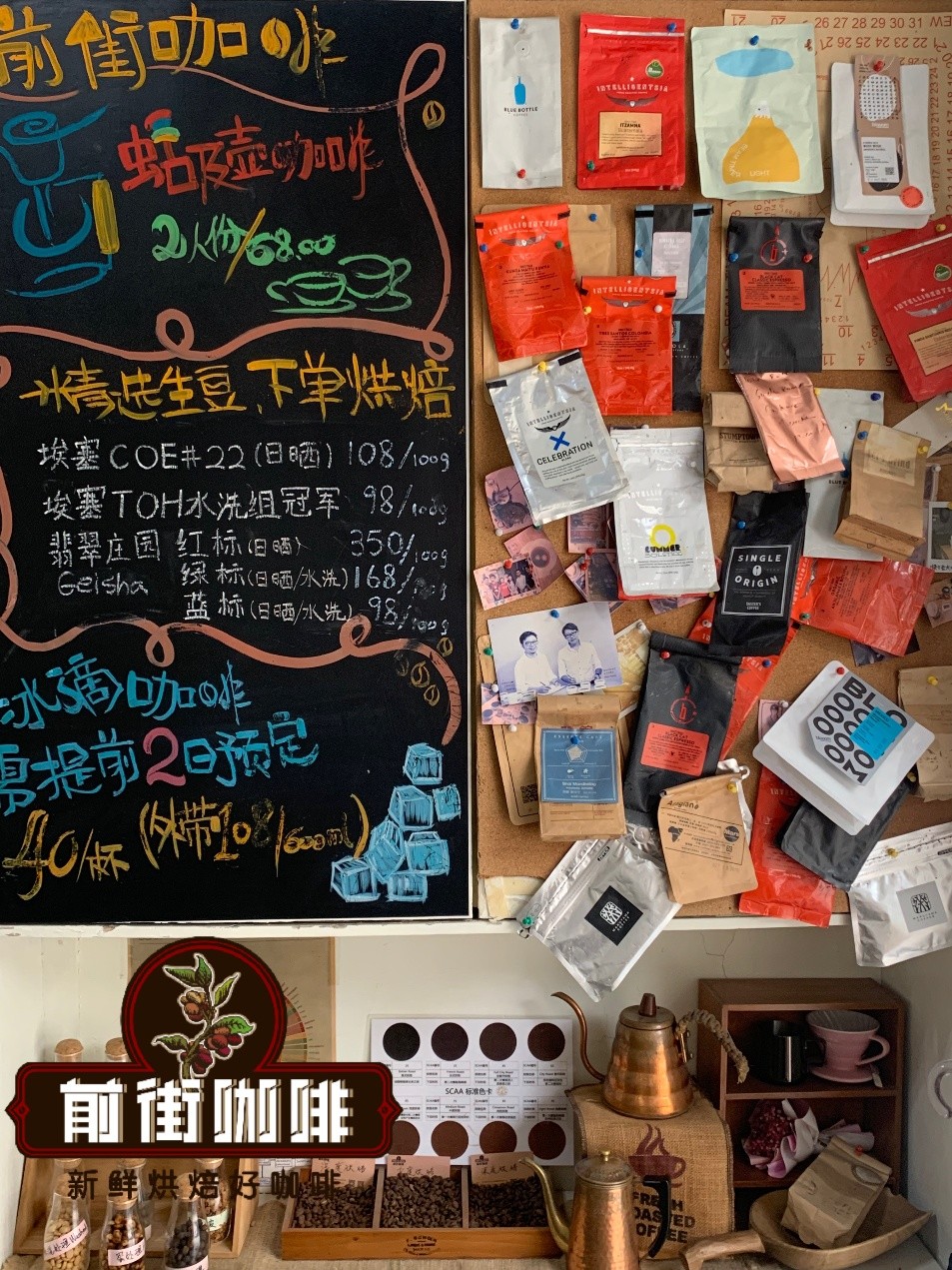
So, what exactly qualifies as a high-quality commercial coffee bean? Based on practical experience,freshness, quality consistency, cost-effectiveness, variety, and crema performanceare the five essential factors for evaluating whether a commercial bean is suitable.
First,freshly roasted coffee beans are the foundation of great flavor. Many consumers overlook details on the packaging, but features like the “one-way degassing valve” are actually very important. This design allows carbon dioxide released during roasting to escape, preventing the bag from bursting while preserving aroma. Many quality-focused shops highlight the roast date of their beans and clearly mark it on the package to ensure customers receive beans at their peak flavor.
Generally speaking,the optimal flavor window for coffee beans is within two weeks post-roast, with the best extraction period typically being between the 3rd and 7th day after roasting. Therefore, it's recommended to choose suppliers that provide clear roast dates and maintain reliable delivery efficiency, ensuring that the beans you receive are still at their flavor peak.
Beyond freshness,consistent quality is key to maintaining uniformity in your offerings. Customers easily remember the flavor of a cup of coffee. If batch differences lead to taste variations, it could hurt customer retention. Choosing suppliers with fixed roasting procedures, regular cupping sessions, and stable formulations can significantly reduce the risk of inconsistent output.
In terms of cost control,high-cost-performance commercial beans can effectively reduce overall ingredient expenses. Especially for small cafés just starting out—where significant capital has already been invested in equipment and marketing—choosing reasonably priced yet reliable beans can help ease financial pressure in the early stages. Many suppliers also offer various packaging sizes, such as 100g trial packs, along with bulk purchase discounts.
In addition,the variety of offerings also affects menu design and customer experience. Nowadays, more and more consumers favor Single Origin (SOE) coffees, especially in creative drinks or seasonal menus. Cafés that can offer a diverse range of options are often more appealing. Therefore, choosing suppliers that provide a rich selection of origins and processing methods can help you build a differentiated product line.
Finally, it’s worth mentioningthe performance of coffee crema (Crema), which is one of the key indicators of espresso quality. A golden layer of crema not only affects visual appeal but is also closely related to extraction pressure, bean freshness, and roast level. During espresso extraction, the 9-bar pressure causes coffee grounds to release carbon dioxide, which mixes with insoluble oils to form a stable foam layer. The richer and more persistent this crema, the more ideal the extraction is likely to be.
In summary, selecting the right coffee bean supplier and procurement channel is one of the cornerstones of a successful small coffee shop. Regardless of which purchasing method you choose, it’s advisable to comprehensively evaluate factors such as freshness, consistency, price, variety, and crema performance. Through practical cuppings and long-term collaboration, you can identify the most suitable commercial coffee bean source that aligns with your shop’s style and customer preferences.
The above content is compiled by CoffeeHunters, a coffee news website.


