







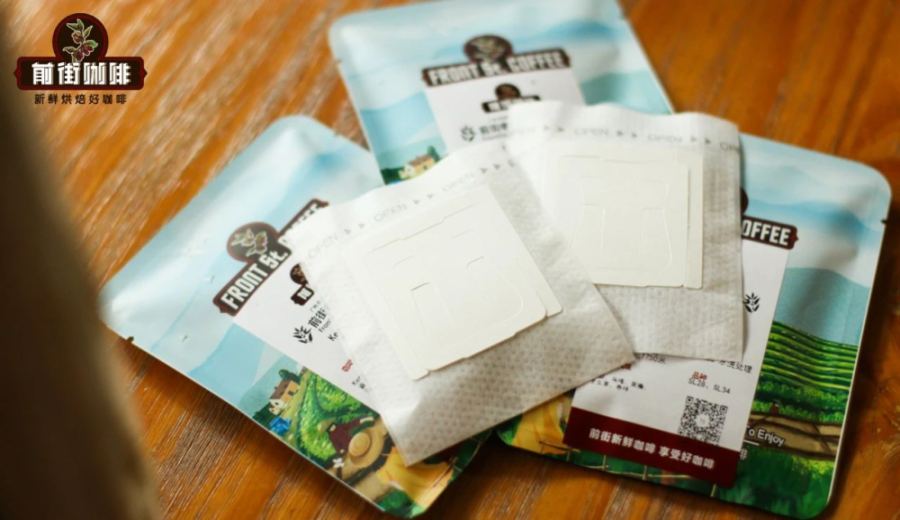
Introduction:Pouch coffee combines the finesse of pour over with the convenience of instant, making it a daily favorite for many coffee lovers. However, every step—from bean selection and grinding to brewing—affects the final flavor. This article delves into the key production techniques of pouch coffee, including nitrogen preservation and grind details, and offers practical brewing tips for popular pouch beans like Brazilian pulped natural and Ethiopian natural Sidamo. Learn how to adjust water temperature, blooming time, and pouring methods to easily brew a well-balanced cup.
Thanks to its layered flavors reminiscent of pour over and the convenience of ready-to-brew, pouch coffee has become a go-to choice for many coffee enthusiasts. Though simple in appearance, each stage—from raw material selection and roasting to grinding and packaging—directly impacts extraction performance and flavor expression. This article explores the core craftsmanship behind pouch coffee and how proper brewing techniques can unlock a bean’s full potential.
Many specialty pour over fans are deterred by complicated equipment or technical barriers. To make high-quality coffee more accessible, the market now offers a variety of pouch coffees sourced from renowned regions like Brazil, Sidamo, and Honduras. Some shops even customize pouches based on customer preferences—for instance, creating a tailored version of Golden Mandheling for those who love its distinctive profile.
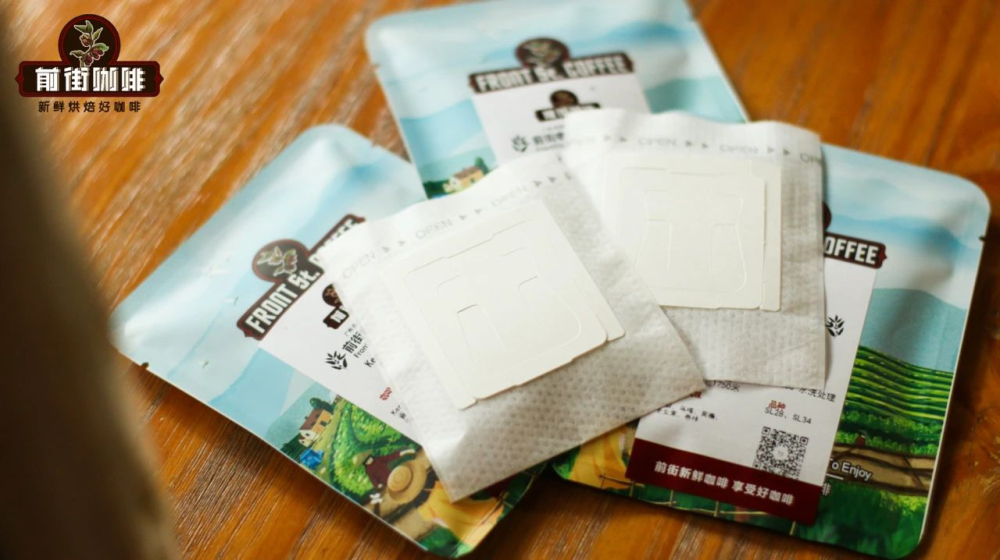
How to choose a high-quality pouch coffee? First, opt for products with a recent roast date to ensure freshness. Generally, pouch coffee loses noticeable flavor after two months. Second, check the product labeling—ideal pouch packs should detail the coffee variety, origin, grind size, and roaster, helping you understand its flavor profile and processing background.
Compared to instant coffee, pouch coffee offers richer flavor without added flavors or creamers, staying closer to coffee’s natural essence. Plus, pouches brew quickly, are portable, and require no complicated tools—perfect for modern, on-the-go coffee needs.
Take Sidamo Huakui as an example: some brands package it as a pouch, allowing home brewers to enjoy the unique berry and fermentation notes of Ethiopia’s high-altitude beans. To highlight its best qualities, special attention must be paid to grinder cleanliness and consistent grind size to avoid excessive fine particles that could cause uneven flow or over-extraction.
When it comes to grinding, the key to pouch coffee’s performance lies in flow rate control—and flow rate is directly determined by grind coarseness. If the grinder is low-quality or the burrs are worn, excess fine particles can create channeling during extraction, leading to uneven water flow, prolonged brew time, and unwanted over-extracted flavors. Additionally, always clean the grinder thoroughly before each use to prevent old grounds from affecting the flavor of fresh beans.
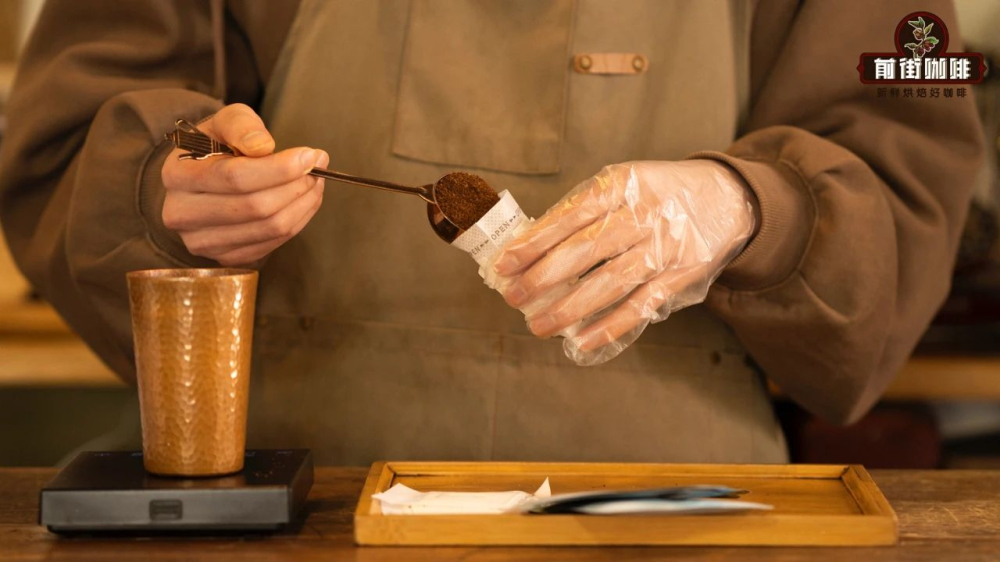
Packaging technology also affects flavor preservation. Automated equipment paired with nitrogen flushing effectively blocks oxygen, slowing oxidation and extending shelf life to over a year. In contrast, manually packaged pouches without nitrogen typically stay fresh for only about a month.
Currently popular pouch options include Brazilian pulped natural and Ethiopian natural Sidamo. The former delivers pronounced sweetness, subtle citrus notes, and nutty aromas, with dark chocolate tones emerging later; the latter highlights floral-fruity notes, berry acidity, and fermentation character, showcasing the layered complexity of East African highland beans.
Take Brazilian pulped natural as an example: its processing method falls between natural and honey, removing the skin and pulp but retaining some mucilage before sun-drying to 12% moisture. This yields a rounded sweetness and rich body, with a flavor profile leaning toward intense chocolate—more so than Costa Rica’s honey-processed coffees.
Ethiopia’s Sidamo region, with its diverse terrain and microclimates, produces multifaceted coffees. Under natural processing, fruit fermentation creates a unique red-wine-like acidity-sweetness balance, complemented by the bright acidity fostered by high altitude—defining characteristics of the region’s beans.
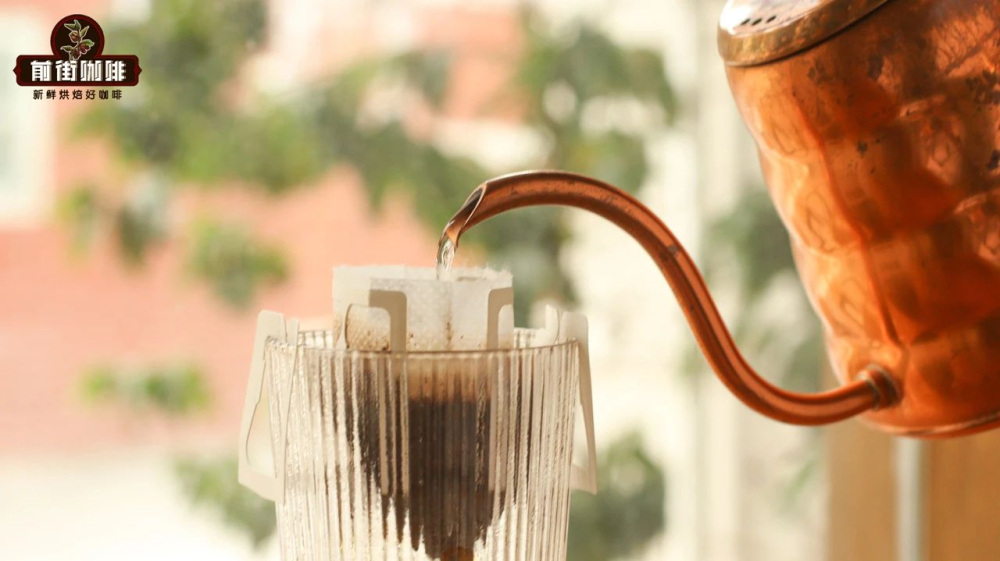
For actual brewing, using 10g of coffee as an example, a cup with ~300ml capacity and an 8–9cm mouth diameter ensures the pouch stays stable. Recommended parameters: ~90°C water, start with a ~10-second bloom using ~20–30ml (roughly equal to the coffee’s weight), to awaken the beans and release aroma. After blooming, you can pour in one go until ~70% full, or do two circular pours, maintaining steady flow for even extraction.
Once brewing is complete, remove the pouch promptly to avoid over-steeping and flavor dilution. Note: pouch coffee grounds can only be brewed once—reusing them will result in thin, flavorless cups as extractable compounds deplete. With the right beans and brewing parameters, pouch coffee can achieve a pour over-like finesse.
The above content is compiled by CoffeeHunters, a coffee news website.


