







Introduction:Are you sensitive to caffeine, wanting to enjoy coffee but worried about sleep disruption? Low-caffeine coffee is a popular compromise for many, but does its flavor really suffer that much? This article delves into the history and international standards of low-caffeine coffee, introduces naturally low-caffeine varieties such as Laurina, and explains the principles behind the mainstream Swiss Water process. We also tested the actual performance of Starbucks' decaf Americano, assessed its potential impact on sleep, and provided a set of pour-over parameters for a well-reviewed Colombian low-caffeine coffee to help you find your ideal low-caffeine option.
Caffeine can boost alertness but may also cause discomforts like palpitations or insomnia—especially for those sensitive to it. For such individuals, low-caffeine coffee serves as an ideal alternative. But is it truly "caffeine-free"? And how does its flavor compare to regular coffee? This article will comprehensively uncover the secrets of low-caffeine coffee, explore common processing methods, evaluate the real-world performance of Starbucks’ decaf Americano, and guide you in choosing a flavorful low-caffeine cup.
Coffee is an essential daily beverage for many, but its high caffeine content can have drawbacks, such as disrupting sleep or causing palpitations. As a result, consumers are increasingly seeking "enjoyable yet burden-free" coffee options, with low-caffeine coffee being one of them. But what exactly is low-caffeine coffee? How does its flavor differ from regular coffee? More importantly, does it really not interfere with sleep? Below, we’ll break down the various aspects of low-caffeine coffee in an accessible way.
As the name suggests, low-caffeine coffee contains significantly less caffeine than regular coffee. According to international standards, a 236ml cup of low-caffeine coffee must contain less than 5mg of caffeine, whereas regular coffee typically has 50–200mg. Notably, low-caffeine coffee isn’t entirely caffeine-free—just greatly reduced. For example, U.S. FDA regulations require decaffeinated coffee to have at least 97% of its caffeine removed, while the EU enforces an even stricter standard of 99.9% removal for a product to be labeled as low-caffeine.
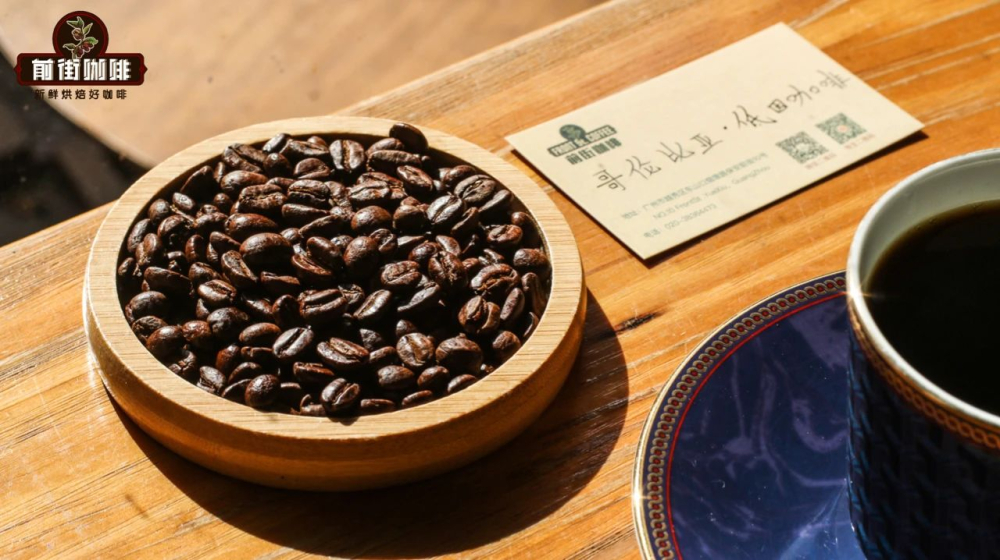
Naturally low-caffeine coffee is extremely rare. Currently, only the "Laurina (Coffea Laurina)" variety is known to have a notably low caffeine content—about 50% of regular Arabica beans, or roughly 0.6%. This low caffeine level isn’t due to processing but rather a genetic trait of the variety. Compared to post-harvest decaffeination, Laurina often exhibits a rounder, sweeter flavor profile. Unfortunately, its extremely limited production makes it rare and pricey, preventing it from becoming mainstream. Thus, most low-caffeine coffee on the market today is made by post-processing conventional coffee beans.
Among various decaffeination methods, the "Swiss Water Process (The Swiss Water-Only Process)" is the most widely adopted and regarded as a more natural approach. The process works as follows: First, green coffee beans are soaked in "flavor-charged water," which has already extracted nearly all the flavor compounds from the beans—except caffeine. The beans are then filtered out, and activated carbon filters selectively remove the caffeine from the water, leaving behind flavor-rich but caffeine-free water. Finally, this "flavor water" is reused to soak new green beans. As the beans release caffeine, they reabsorb the original flavors from the water, achieving caffeine removal while preserving flavor.
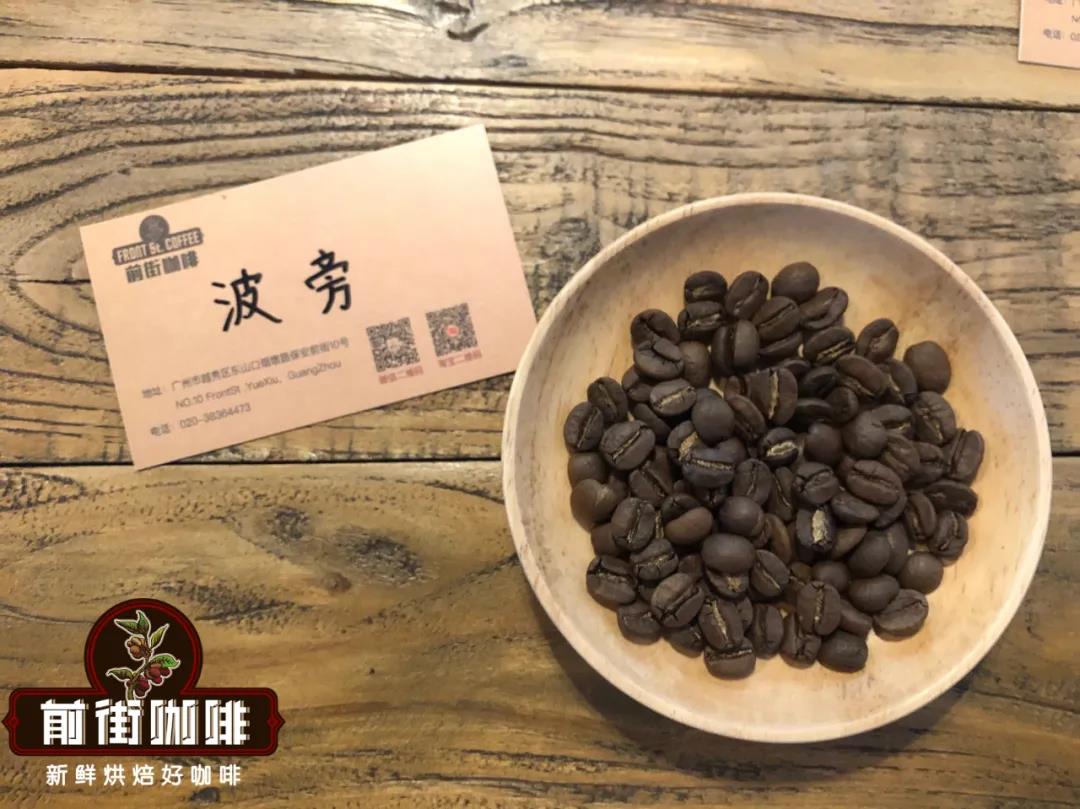
When it comes to low-caffeine coffee, many people first think of Starbucks. Starbucks offers coffee options made with decaffeinated beans—customers just need to request "decaf beans" when ordering, and staff will mark the "Decaf" option on the cup. However, many consumers report that decaf coffee often tastes inferior to regular coffee, even "bad." This is largely due to some low-caffeine products using lower-quality commercial-grade beans, such as Robusta, which naturally have harsher flavor profiles. Even after decaffeination, these inferior foundations remain hard to mask.
In reality, if high-quality Arabica beans are used as the base and paired with appropriate decaffeination techniques, low-caffeine coffee can still deliver pleasant aromas and complexity. The key lies in the overall bean quality and processing synergy—not just the absence of caffeine.
For readers curious about low-caffeine coffee but worried about flavor, we tested a decaffeinated Colombian coffee bean with surprisingly impressive cupping results. Using a standard 200ml cupping bowl, 11.3g of coffee, and water at 94°C, the dry aroma revealed clear notes of dark chocolate. After pouring water, the wet aroma carried sweet caramel undertones, with layered flavors of berries, citrus, cocoa, and nuts. The mouthfeel was smooth, and the finish clean.
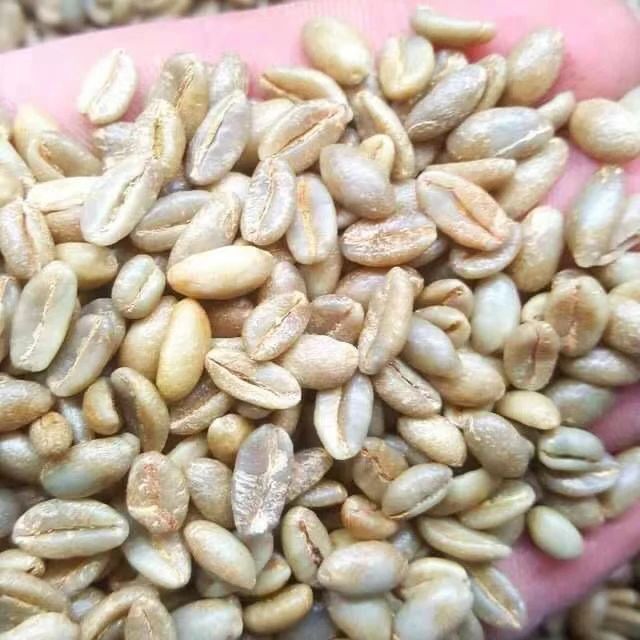
If you’d like to brew a flavorful Colombian low-caffeine coffee at home, here are our tested pour-over parameters:
Dose:15g
Brew ratio:1:15
Water temperature:88°C
Grind size:Coarse sugar (approximately 75% passing through a #20 sieve)
Filter:Kono filter
Brewing method (three-step extraction):
1. Place the coffee grounds in the filter, pour 30ml of hot water for blooming, and let it sit for about 30 seconds.
2. Slowly pour 150ml of hot water in a circular motion, gently raising the coffee bed until a golden crust forms.
3. Once the water level drops slightly, pour the final 45ml. After all the coffee has dripped through, remove the filter. Total brew time: approximately 2 minutes and 10 seconds.
These parameters help fully highlight the aroma and complexity of low-caffeine coffee while avoiding over-extraction or off-flavors. If you’re new to low-caffeine coffee, try adjusting based on these settings to find your preferred brew style.
The above content is compiled by CoffeeHunters, a coffee news website.


