








Introduction:Want to brew a shot of espresso with rich crema and balanced flavors at home? In fact, every step—from the bean’s resting period, precise grind size adjustment, to distribution and tamping techniques, even extraction time and pressure settings—is crucial. This article will take an in-depth look at the entire process of making espresso, guiding you from basics to advanced skills and helping you fully master the key elements for consistently delicious shots.
Brewing the ideal shot of espresso at home is absolutely not something that can be easily achieved by relying solely on high-quality coffee beans. From the bean resting phase, storage environment, to fine-tuning the grind size, and then to each action such as dosing, distributing, and tamping, all the way to the final extraction parameter settings—these details directly affect the flavor outcome of the final cup. Especially for coffee enthusiasts trying espresso for the first time, understanding how these elements influence one another is the first step toward success.

Espresso, this classic coffee format originating from Italy, is not only the base for many creative coffee drinks but also represents the ultimate showcase of coffee’s concentrated essence. In Italian, “Espresso” means “fast,” which describes how, under brief high-pressure extraction, the most intense flavors and aromas of coffee are released. However, to truly make a shot that is balanced in taste, rich in crema, and layered in complexity, you need to master a series of key techniques and parameters.
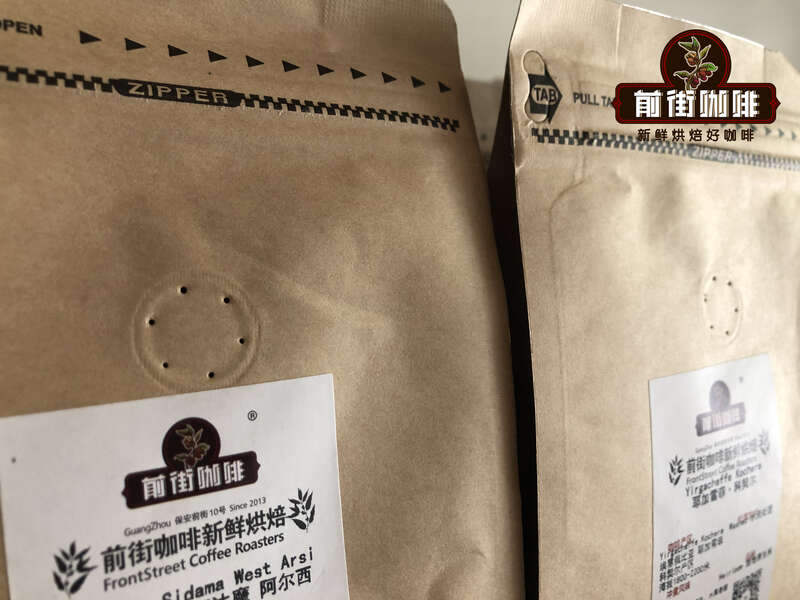
First, choosing a fresh coffee bean that has been properly rested is the first step to success. Generally speaking, espresso often uses blends, combining beans from different regions and processing methods to bring out a rich variety of flavors and aroma layers. For example, adding a moderate amount of Robusta beans can help enhance the thickness of the crema and the overall body of the flavor. However, if you prefer single-origin characteristics, you might opt for a naturally processed Yirgacheffe Red Cherry, paired with a sherry-aged coffee bean, to present a marvelous balance of fruity and wine-like notes.
Freshly roasted coffee beans usually contain about 2% carbon dioxide, which is gradually released over time—a process known as “resting.” During the resting period, the aromatic compounds and oils in the coffee beans can integrate more effectively, making it easier to extract captivating flavors during brewing. It is recommended to let unopened coffee beans sit in a cool, dry place to allow natural airing. Beans that are too fresh may cause channeling due to excessive degassing, which affects extraction stability. Generally speaking, resting for about 10 days is considered an ideal state.
Before you start extraction, there are several key preparatory steps that must not be overlooked. The first is managing the coffee bean hopper in your grinder. When the bean hopper contains a larger quantity of beans, the burrs experience greater pressure, resulting in more uniform and fine grounds; conversely, when the bean level drops and the pressure above lessens, the grind size may become slightly coarser, thereby affecting extraction efficiency. In addition, regularly cleaning the grinder is necessary—not only to avoid residual coffee dust interfering with extraction but also to prevent the buildup of oils released by dark-roasted beans, which can negatively impact subsequent flavor profiles.
Next comes grind size adjustment. Due to varying factors such as ambient temperature, humidity, coffee bean roast level, and freshness, grind size is not fixed. It is recommended to flexibly adjust based on actual extraction conditions: if the extraction time is too long and the taste is overly bitter, consider making the grind coarser; if the extraction is too fast and the flavors are too acidic or lacking, then make the grind finer. Also, keep in mind that the grinder should not run continuously for more than three minutes, as overheated burrs not only affect flavor but can also cause uneven grinding due to static electricity—when this happens, pause to let the burrs cool down.
The temperature of the portafilter basket is equally vital. Keeping the basket at room temperature helps prevent high heat from accelerating flavor volatilization and maintains stability during extraction. Some baristas prefer to attach the portafilter just before brewing to minimize the impact of high temperatures on the coffee grounds. Additionally, when dosing, maintain a consistent speed while simultaneously rotating the portafilter to ensure an even distribution of coffee grounds and avoid uneven density that could lead to instability during extraction.
The technique of distribution should not be underestimated either. When using a distribution tool, adjust the height appropriately according to the dose—if too high, it may cause uneven accumulation in depressed areas of the coffee bed; if too low, it may compress the bed and affect flow rate and extraction evenness. Next comes tamping: it is advised to apply even downward force to ensure the puck is compact and not noticeably tilted. Tamping pressure should be adjusted based on grind size and extraction flow rate—the ideal extraction time is generally 25±3 seconds; being too fast or too slow may lead to flavor imbalance.
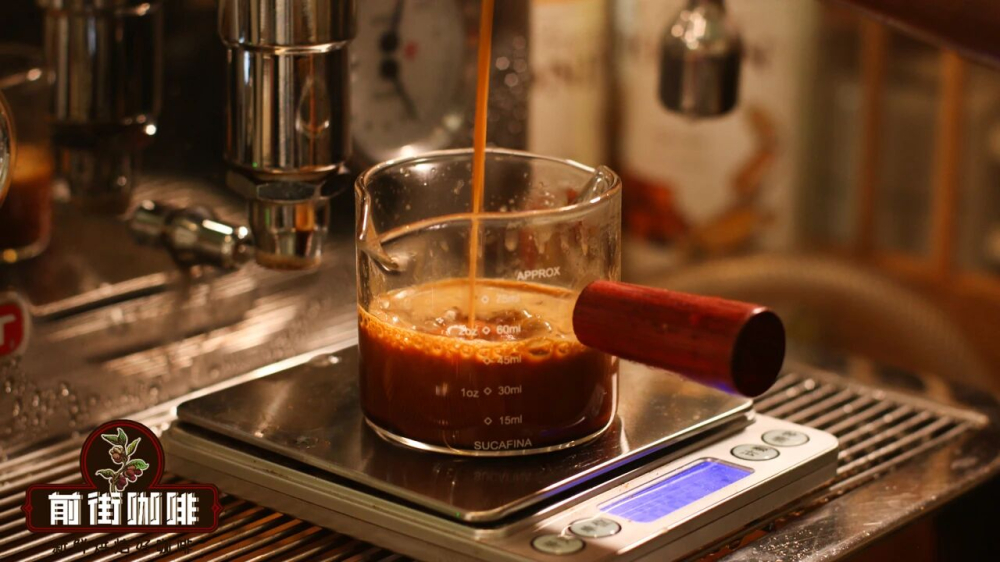
Finally, we move on to the extraction stage. Stable water pressure (usually 9 bar), appropriate water temperature (around 90.5~96°C), and precise coffee-to-water ratio are all key determinants of espresso flavor performance. Taking a double shot as an example, it is recommended to use 20 grams of coffee grounds to extract about 40 milliliters of coffee liquid, with time controlled between 20~30 seconds. This way, you can extract an ideal espresso that boasts body, bright acidity, and rich complexity, with a smooth mouthfeel, notes of fruit, wine, and chocolate, and a distinct, layered aftertaste.
In summary, a successful espresso is a combination of science and art. From resting, grinding, extraction, to control over every tiny action, all are key to the final flavor. As long as you master these core points, even novice coffee drinkers can gradually grind out their own perfect shot of espresso with personal style.
The above content is compiled by CoffeeHunters, a coffee news website.


