







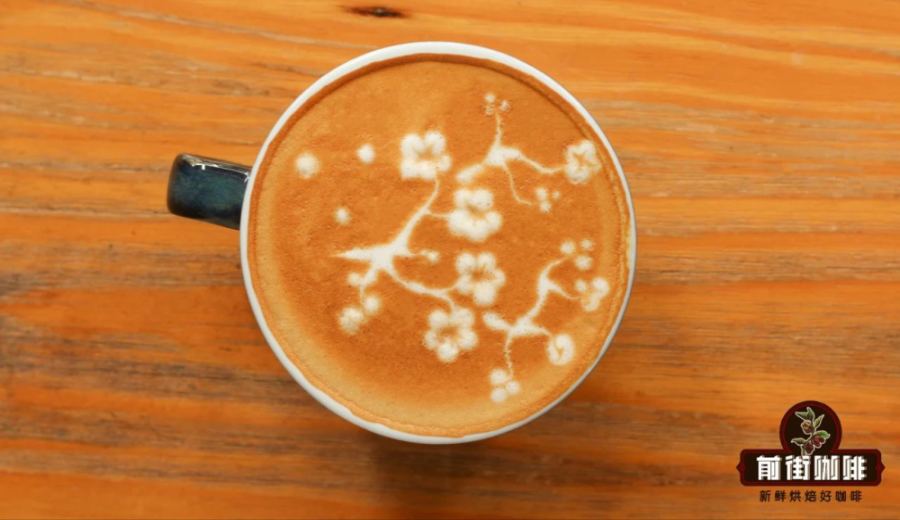
Introduction:Want to learn coffee latte art but don’t know where to start? This guide provides a complete breakdown of the three main types—latte art, etching, and stamping—and takes you step-by-step from steaming milk, controlling the pitcher, to practicing basic patterns, helping you master classic techniques like tulips, leaves, and roses. Whether you're a coffee beginner or a professional barista, you can improve your latte art stability and aesthetics through these detailed, illustrated steps.
Coffee latte art is the most visually captivating way to present espresso-based drinks, elevating an ordinary latte into one that’s both artistic and flavorful. This article systematically introduces the three major categories of specialty coffee art and details the five learning stages from beginner to advanced, guiding you to master practical tips for classic patterns such as tulips and leaves.
Specialty coffee art is mainly divided into three types: latte art, etching, and stamping. Stamping often uses cocoa powder or cinnamon powder with molds to create designs; latte art and etching are collectively referred to as milk art, where latte art involves “pulling” patterns directly onto espresso by controlling the milk flow, while etching requires additional tools for detailing. Latte art technique is a fundamental skill for baristas and directly impacts the visual appeal and flavor layering of the final drink.
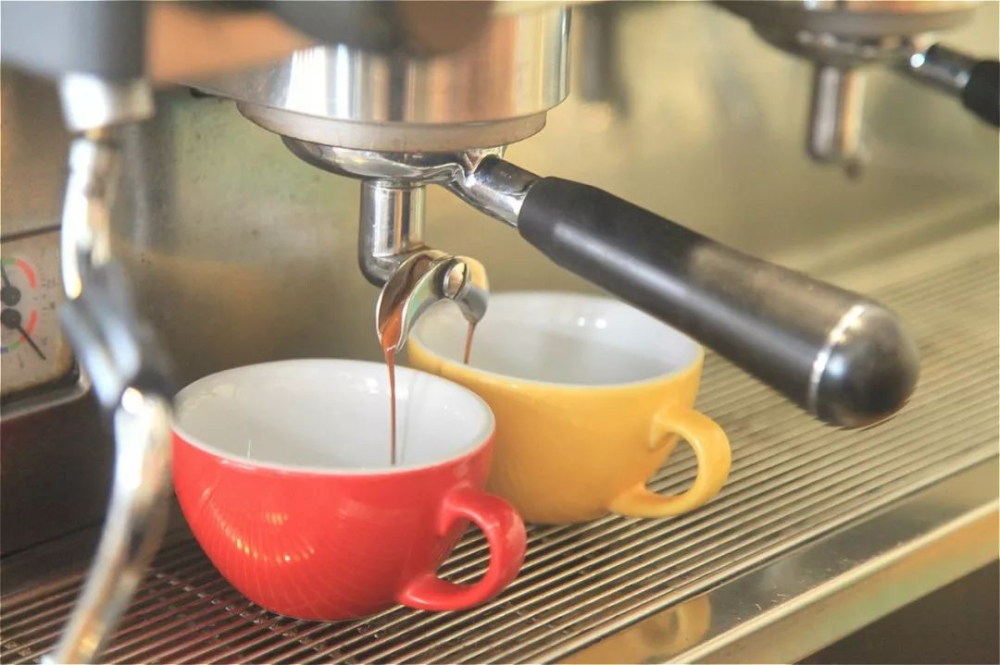
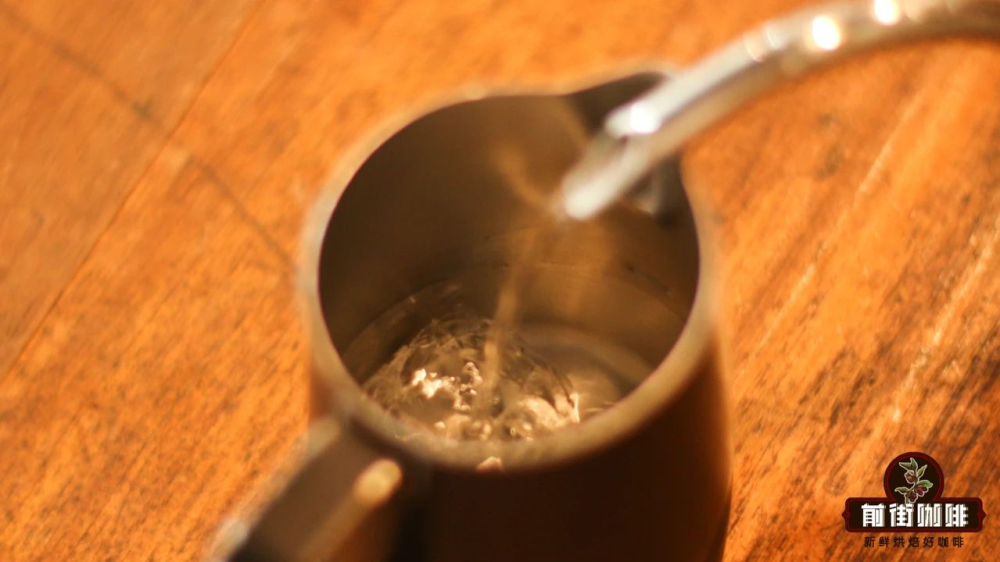
Learning milk latte art can be divided into five stages:Stage OneYou’ll need a narrow-spout latte pitcher and a wide-mouthed cup, and make sure the espresso has a rich crema and the milk foam is fine and velvety. It’s recommended to use a medium-dark roasted blend, such as a 3:7 ratio of Colombian and Brazilian beans, which offers distinct nutty notes and moderate sweetness.Stage TwoFocuses on training water flow control. In the beginning, you can practice with water, and for more advanced training, mix dish soap with soy sauce to simulate the texture of milk foam.Stage ThreeConcentrates on repeatedly practicing basic patterns like tulips and leaves.Stage FourInvolves moving on to real milk and coffee operations.Stage FiveIs about refining fluidity and details.
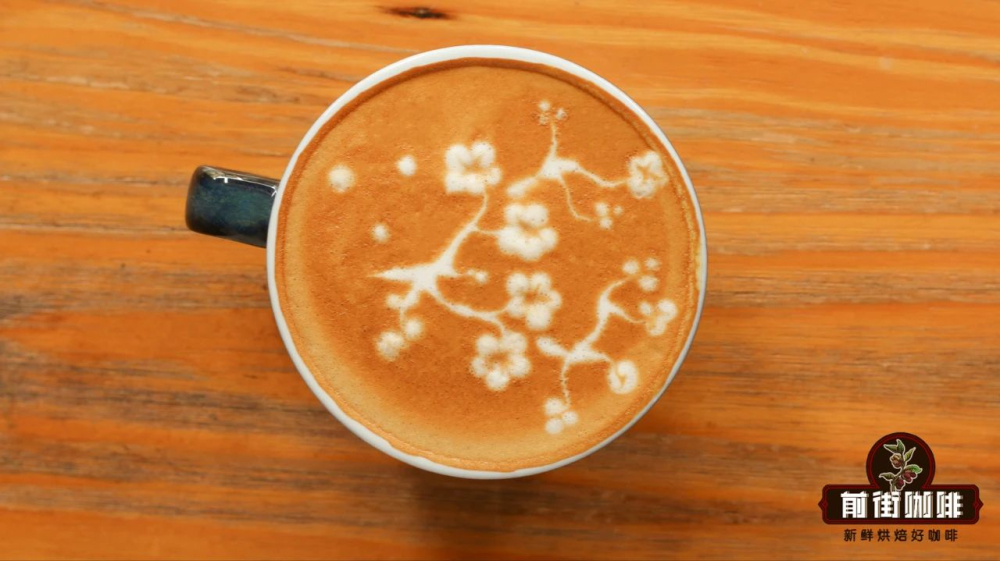
During actual practice, tilt the pitcher about 10 cm above the cup, aligning the spout with the center of the coffee cup. It’s recommended to tilt the cup slightly inwardby 10–15 degreesto help the milk foam and espresso blend evenly.Tulip Latte Art Steps: First, integrate the milk and coffee, then find the center point of the cup and pour with a high flow until a white dot appears, then stop; repeat the pouring action twice slightly behind the first spot to create a layered bud effect; finally, reduce the flow and pull out a straight line for the tail. Be sure to pause slightly after each pour and control the swinging range to about3–5 cmto avoid overly messy patterns.
Leaf Pattern Techniquerequires starting with a low milk flow, and once the coffee surface turns white, increase the flow and gently sway the pitcher. After the texture forms, gradually pull back; at the end, lift the pitcher’s spout about5 cmand reduce the flow to draw out the leaf stem. Common mistakes include moving too fast, causing blurry patterns, or stopping too early, resulting in incomplete designs.

For advanced practice, try combining patterns, such as pairing tulips with leaves, or attempting more complex designs like roses. The key lies in stabilizing the milk foam quality—the ideal foam should have aslight yellow hue, be fine and non-layered, with steaming temperature controlled at55-60°Cfor best results. Baristas recommend practicing basic movements for at least 30 minutes daily; consistent practice for two weeks can significantly improve control precision.
Mastering latte art not only enhances the visual appeal of beverages but also deepens your understanding of milk foam structure and coffee flavor balance. Starting with basic patterns and progressing through systematic training, every coffee enthusiast can gradually develop their own unique latte art style.
The above content is compiled by CoffeeHunters, a coffee news website.


