







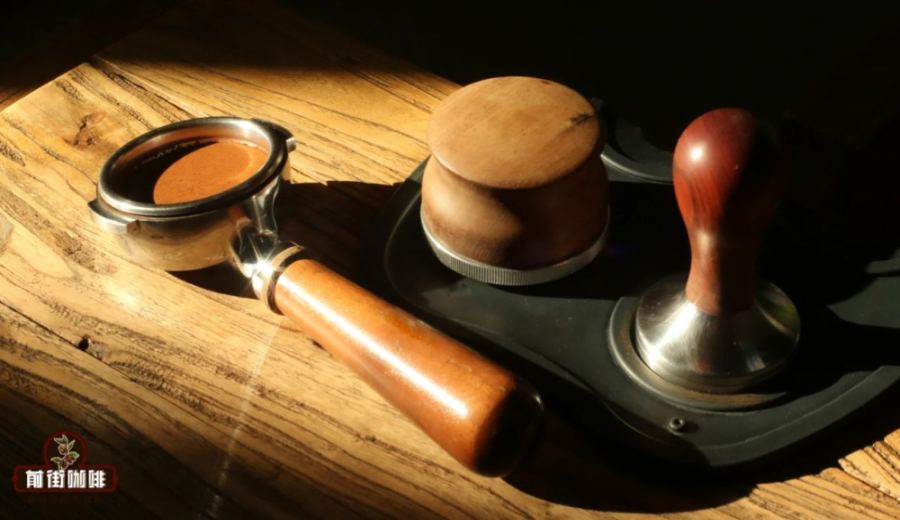
Introduction:Many coffee beginners wonder why, after using a coffee distributor to level the coffee grounds, they still need to perform the tamping step. In fact, distributing and tamping each serve distinct purposes. The former ensures that the coffee grounds are evenly distributed in the portafilter basket, while the latter compacts the loose coffee particles to help them withstand the intense pressure of the high-pressure water flow. This article takes an in-depth look at the differences and operational details of the two, and supplements correct tamping techniques, tamper selection, and common mistakes to help you improve extraction stability and flavor consistency.
Many people may have this question in mind: "If I’ve already used a distributor and the coffee bed looks flat, why do I need to tamp it again?" In reality, although both steps make the coffee bed appear flat, their actual functions are quite different. Simply put, distributing is about evening out the coffee grounds, ensuring they are uniformly spread in the portafilter basket, whereas tamping is about compacting those seemingly even but still loose coffee particles so that the entire coffee bed can firmly resist the impact of the high-pressure water flow during espresso extraction.
If tamping is skipped, the high-pressure water is likely to find the path of least resistance through the coffee bed on its own, creating what is known as "channeling." This leads to some coffee grounds being over-extracted while others are barely extracted at all, severely affecting the balance of the final flavor and the overall quality of the espresso. Next, we’ll start from the principles and go into detail about the specific roles of distributing and tamping, common operational mistakes, and how to correctly perform each step to enhance extraction consistency.
Many people are accustomed to manually distributing the coffee grounds, which means pouring the ground coffee into the portafilter basket and then using their fingers and the base of the palm to sweep back and forth, trying to let the coffee naturally fill the gaps in the basket. However, this traditional method not only relies on skill but is also easily affected by static electricity or humidity, leading to clumping and uneven distribution of the coffee grounds. Especially when the coffee is ground finer, clumping becomes more obvious, and if not properly dispersed, it can easily lead to localized density differences during subsequent tamping, resulting in uneven extraction.
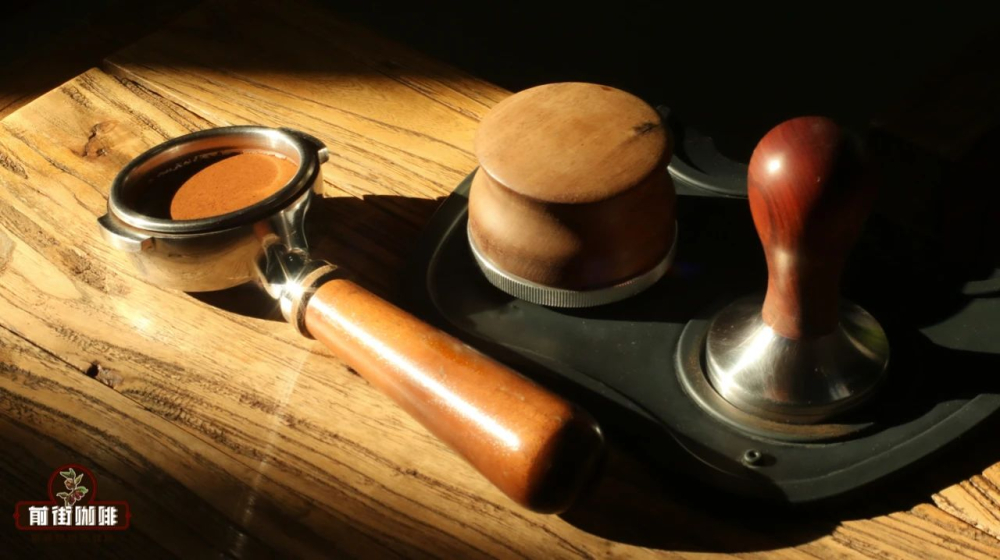
In comparison, using a coffee distributor can more effectively solve these problems. Although there are various types of distribution tools on the market—whether they are rotary, flat-push, or center-guided designs—their commonality lies in their ability to spread the coffee grounds evenly across the entire portafilter basket in a more stable and consistent manner, reducing human error, improving the quality and efficiency of each extraction, and also better meeting hygiene requirements.
Once the coffee grounds are evenly spread, the next step is tamping. This step is not just about compacting the coffee bed, but also about ensuring the surface is perfectly smooth. If the tamped coffee bed has an uneven surface, the water will naturally flow toward the lower areas during extraction, causing the higher areas to be under-extracted and the lower areas to release too many impurities and bitter substances due to over-saturation, severely compromising the overall flavor profile.
To achieve the best tamping effect, it is recommended to choose a tamper that matches the diameter of the portafilter basket. One that’s too large won’t fit, and one that’s too small will leave edges untamped, which can also cause uneven extraction. During actual operation, first place the portafilter basket on a level surface, hold the tamper firmly with both hands, with the heel of your palm facing down and your thumb and index finger lightly gripping the top of the tamper, keeping your elbow, forearm, and tamper in a straight vertical line, then press down steadily and forcefully to ensure the entire coffee bed is evenly compressed.
You don’t need to use excessive force when tamping, because during actual extraction, the 9-bar high-pressure water primarily acts on the bottom of the coffee puck, and applying too much force has limited impact on the final extraction. The key lies in “evenness” and “flatness.” As long as it is pressed steadily and evenly, you can effectively avoid channeling and allow every coffee particle to function as it should.
Sometimes, even after tamping, you may notice slight unevenness on the surface, and many baristas hesitate about whether to immediately apply a second tamp. Based on practical experience, if a first tamp has already been done, reapplying pressure for correction often damages the internal structure of the coffee puck or even creates cracks, which can more easily form hidden channels and negatively affect extraction performance. Therefore, it is recommended that if you notice unevenness after tamping, it’s best to break up the coffee puck and redo the dosing, distributing, and tamping process to ensure stability and consistency in every extraction.
The above content is compiled by CoffeeHunters, a coffee news website.


