







Introduction:To brew a cup of coffee with balanced flavors using the pour over method, the key lies in the combination of water temperature, grind size, and filter choice. This article delves into the brewing logic for both light and dark roasted beans, helping you understand how to adjust parameters based on roast level. It also provides brewing recommendations for two classic coffee varieties to help you build a solid foundation in pour over technique and improve extraction quality.
The flavor of your pour over coffee is actually determined the moment you choose the water temperature, grind size, and filter. Many beginners, when observing baristas in cafés, are often surprised to see them use completely different parameters for the same coffee bean. In fact, these choices are backed by science and are closely related to the roast level of the beans. Once you grasp the corresponding relationships, you too can understand and apply these techniques to brew coffee with your own preferred flavor profile.
Compared to the typical drip coffee machines used in offices, pour over brewing offers greater flexibility and precision. Drip machines usually come with preset water temperatures and brewing routines, allowing users only minor adjustments to coffee dosage and grind coarseness. As a result, even with the same beans, performance can vary significantly between different models. Pour over brewing, on the other hand, gives you full control over every variable. Whether you prefer your coffee hot or iced, you can achieve optimal extraction by adjusting the parameters. Especially when practicing at home, it's recommended to start with pour over to gradually develop a sensitivity to coffee flavors.
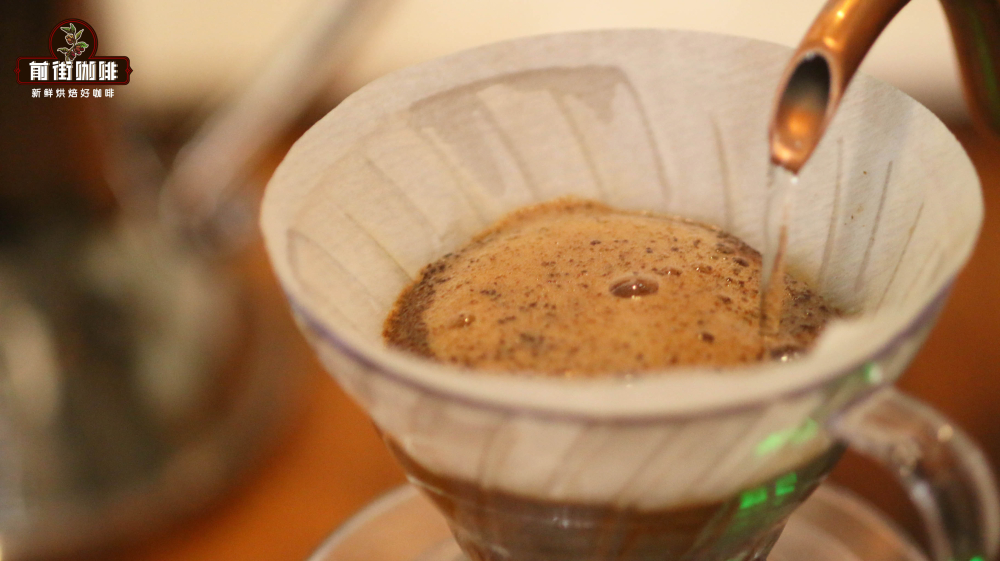
When performing pour over brewing, selecting the right water temperature and grind size is particularly crucial. Generally speaking, light roasted coffee beans, due to their shorter roasting time, release internal flavor compounds more slowly. Therefore, it is recommended to use a higher water temperature and a finer grind size to fully extract their fruity acidity and aroma. For example,the water temperature should be controlled at around 93°C,and the grind size can be around 80% passing through a Chinese standard No. 20 sieve, which is roughly as fine as granulated sugar. At the same time, to avoid over-extraction, it is advisable to choose a filter with a faster flow rate, such as the common Hario V60, which helps the coffee liquor flow through more quickly, reducing contact time.
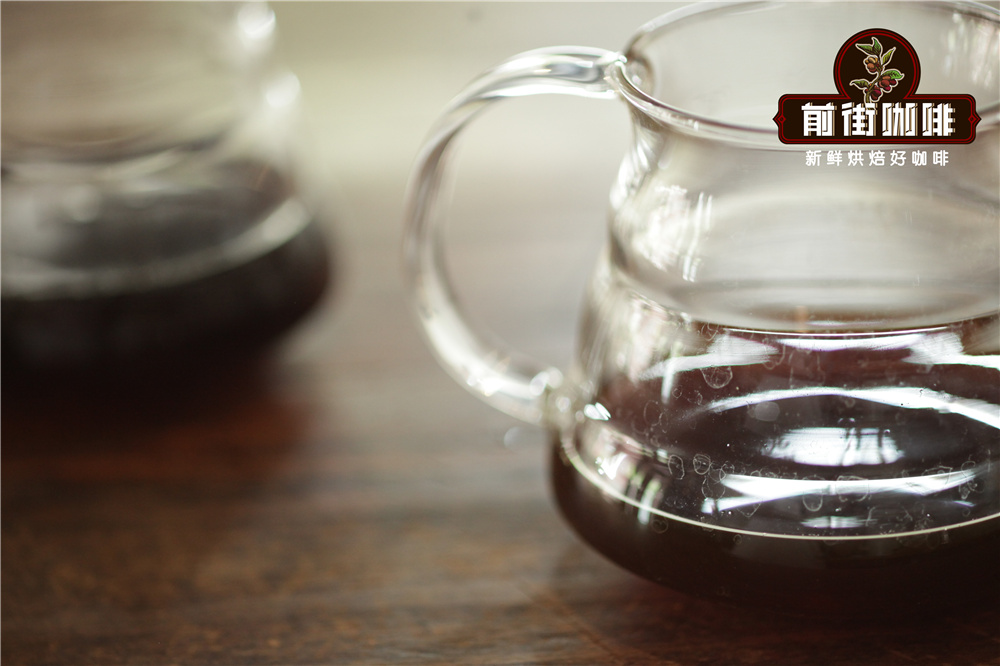
Conversely, dark roasted coffee beans, due to their longer roasting time, have more relaxed internal structures and faster release rates. Therefore, it is recommended to instead usea lower water temperature of around 88°C, along witha slightly coarser grind size, about 70% sieve passing rate, similar in coarseness to sea salt. A lower water temperature helps control the extraction speed, preventing bitter compounds from being released too early, while pairing it with a slower-flowing filter, such as the KONO filter, can extend the contact time between coffee grounds and water, improving extraction uniformity and resulting in a smoother overall flavor.
For those who are just starting to try pour over brewing, it’s a good idea to begin with two classic coffee varieties: one representing light roast—washed Yirgacheffe—and one representing dark roast—the classic Indonesian Mandheling. These two beans each have distinct characteristics and are ideal for practicing brewing techniques for different roast levels.
Let’s first take a look at washed Yirgacheffe, a bean from Ethiopia known for its bright acidity and fragrant floral notes. Grown at altitudes of about 1800 to 2000 meters and processed using the washed method, it retains a clean and refreshing taste. Its flavor profile typically includes layers of jasmine, berries, lemon, and citrus, making it well-suited for high water temperature and fine grind extraction, which can fully showcase its unique regional characteristics.
The other is Mandheling from Sumatra, Indonesia—a classic dark roast known for its rich and full-bodied taste. Due to local climatic factors, it is often processed using the wet-hulled method, giving the beans strong spicy and herbal aromas. In terms of flavor, it often exhibits notes of toasted bread, nuts, caramel, and pine. It is recommended to use a low water temperature and a coarser grind, paired with a slower-flowing filter, which helps balance its intense qualities and prevents bitterness from becoming overly prominent due to over-extraction.
In summary, the charm of pour over coffee lies in the ability to flexibly adjust each variable based on the characteristics of the beans. Whether you are a beginner or an experienced coffee enthusiast, understanding the relationship between roast level and factors such as water temperature, grind size, and filter is an important foundation for improving your pour over brewing quality. Starting today, try adjusting your brewing parameters according to these principles and find your own optimal combination.
The above content is compiled by CoffeeHunters, a coffee news website.


