








Introduction:The Caramel Macchiato is one of Starbucks’ most iconic coffee beverages, but in reality, it differs significantly from traditional Italian macchiatos and lattes in both preparation and flavor. This article provides an in-depth breakdown of the complete Caramel Macchiato-making process—from espresso extraction parameters and milk frothing techniques to the application of caramel sauce—and compares the Caramel Macchiato with a standard macchiato. It further clarifies the distinctions between lattes and macchiatos in terms of milk ratio, mouthfeel, and target audience, helping you master the essence of these three classic coffees.
The Caramel Macchiato is an immensely popular specialty coffee at Starbucks, beloved by many for its distinctive caramel aroma and layered flavors. But do you know how it fundamentally differs from a regular macchiato and the classic latte? This article will fully dissect the preparation method of the Caramel Macchiato—from basic ingredients, espresso extraction parameters, and milk frothing techniques to the pairing of caramel sauce and vanilla syrup—explaining each step. It also delves into a detailed comparison of the similarities and differences between macchiatos and Caramel Macchiatos, and analyzes the core disparities between lattes and macchiatos in milk proportion, mouthfeel, and extraction strategies, giving you a comprehensive understanding of the relationships and characteristics of these classic coffees.

To make a standard Caramel Macchiato, you first need to understand its basic structure: built upon an espresso base, combined with steamed milk and milk foam, and then layered with caramel sauce and vanilla syrup, poured in a specific sequence to create a distinct layered effect. Though this drink shines brightly at Starbucks, its prototype can be traced back to Italy’s traditional macchiato culture. However, during its international promotion, more sweet elements and decorative techniques were added.
Let’s start with the most basic macchiato. The word originates from the Italian “Macchiato,” meaning “marked.” As early as the 1980s, Italian customers had the habit of adding a small amount of milk to their espresso. However, due to the dark color of the coffee crema, the added milk was not easily distinguishable. To differentiate between a “pure espresso” and a version with “a touch of milk,” baristas would mark the surface of the coffee with a white dot of milk foam as a “marker”—this is the prototype of the macchiato. Over time, people discovered that the blend of milk foam and espresso could simultaneously showcase the richness of the coffee and the smoothness of the milk, gradually evolving into the macchiato form we know today.
If you want to make a macchiato at home that’s close to café quality, you actually only need two ingredients: a shot of espresso and a spoonful of fine milk foam. It’s recommended to choose a blended coffee bean with flavors of dark chocolate, cream, cocoa, and roasted nuts—such as a classic house blend composed of Mandheling, Vietnamese, and Brazilian beans. These beans can provide a rich enough base after extraction. For specific extraction parameters, you can use 20 grams of coffee grounds to extract 40 grams of espresso within 28 seconds, ensuring a balanced concentration and flavor. Then, froth the milk to a thickness close to that of a cappuccino, but with finer and denser foam. Carefully scoop the top layer of milk foam with a spoon and gently place it on the surface of the espresso. In this way, a simple yet layered macchiato is complete.
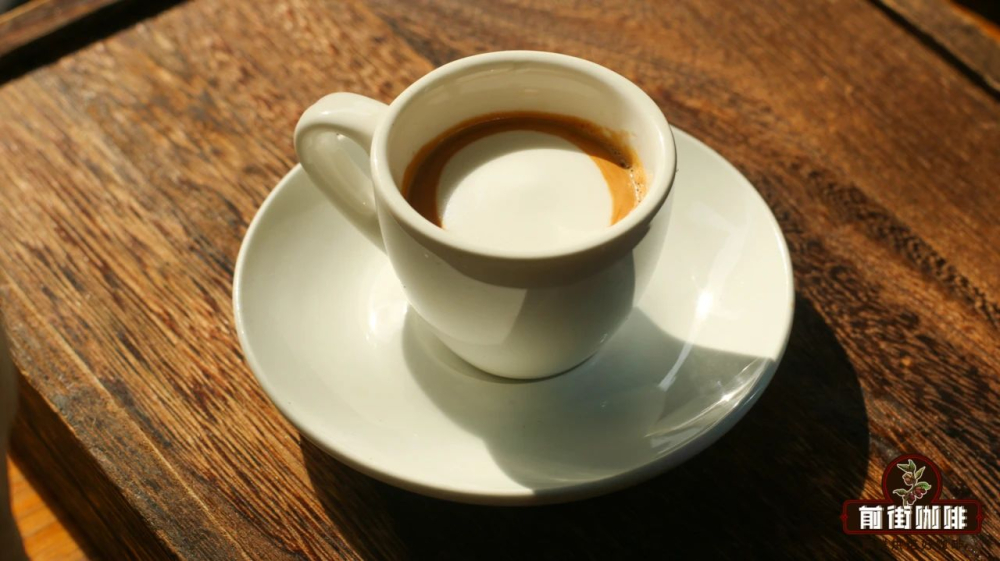
As for the Caramel Macchiato, its standout feature is the addition of caramel-flavored sauce and vanilla syrup, which adds sweetness and a caramel finish to what would otherwise be a simple combination of black coffee and milk. The standard method involves using a cup with a capacity of about 350 milliliters. First, pour in a shot of espresso, followed by a pre-prepared mixture of steamed milk and milk foam. Then, drizzle vanilla syrup and caramel sauce in sequence, using the varying viscosities of the liquids to create a visually distinct and flavor-rich beverage with multiple layers. This method did not originate in Italy but was developed by Starbucks in response to market demand and has since become one of the classics cherished by consumers worldwide.
So, what are the core differences between a macchiato and a Caramel Macchiato? Simply put, a traditional macchiato emphasizes the intense flavor of the espresso itself, with only a small amount of milk foam as a contrast. In contrast, the Caramel Macchiato builds on this foundation by additionally incorporating caramel sauce and vanilla syrup, transforming the overall taste into something sweet and caramelized—making it more suitable for those who prefer sweeter coffees. Additionally, the Caramel Macchiato has a higher proportion of milk, resulting in a smoother overall mouthfeel and a more pronounced sweetness.
Now let’s compare lattes and macchiatos. The word “latte” in Italian means “milk,” so a latte coffee is essentially “coffee with a lot of milk.” In preparation, the coffee-to-milk ratio for a latte typically ranges between 1:2 and 1:5, with the classic ratio being 1:6.5 (for example, 40 grams of espresso paired with 260 grams of steamed milk). Compared to a macchiato, a latte has a higher proportion of milk, making the overall mouthfeel softer and smoother. The acidity and bitterness of the coffee are greatly moderated by the milk, and the flavor profile leans toward being mellow and rich.
In practical terms, the key to making a latte lies in the texture of the steamed milk and the blending technique. It is recommended to use cold whole milk stored in the refrigerator, which can produce finer and more stable milk foam. During blending, ensure the espresso and milk are evenly mixed to avoid layering or flavor disconnection. Typically, 20 grams of coffee grounds are used to extract 40 grams of espresso within 27 seconds as the base, paired with precisely steamed milk at a temperature of around 60–65°C and fine milk foam. Finally, careful blending and an optional latte art step complete a smooth and aromatic latte.
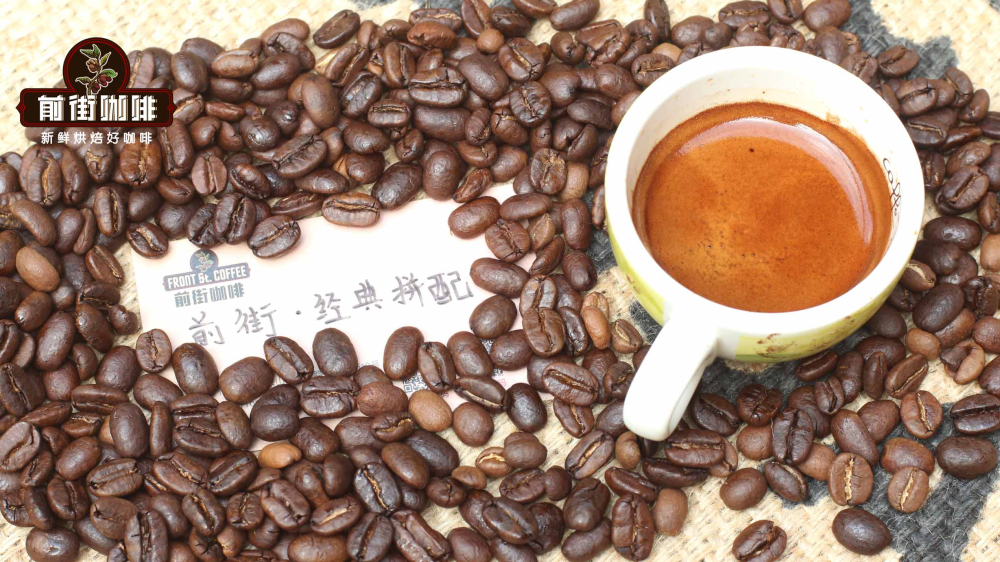
In summary, although the Caramel Macchiato, macchiato, and latte may share some overlapping ingredients, they differ significantly in terms of proportions, preparation processes, and flavor profiles. The Caramel Macchiato focuses on sweetness and caramel flavors, making it ideal for those who enjoy sweet drinks. The macchiato retains the bold character of the espresso, complemented by a small amount of milk foam for contrast. Meanwhile, the latte is based on a large amount of milk, offering a mild and smooth flavor, making it the best choice for coffee beginners or those who prefer a milky taste. Familiarizing yourself with these basic differences allows for more accurate selection of a coffee experience that suits your personal taste—whether brewing at home or ordering at a café.
The above content is compiled by CoffeeHunters, a coffee news website.


