







Introduction:When extracting espresso, if you notice unstable flow rate, weak coffee flavor, or pale crema color, it may be due to channeling caused by a pierced coffee puck. This article delves into the causes of puck piercing—including uneven distribution, insufficient coffee dose, and a clogged shower screen—and teaches you how to identify piercing using a bottomless portafilter. It also provides specific improvement suggestions to help you stabilize extraction quality and enhance flavor consistency.
During the espresso extraction process, many baristas or enthusiasts have encountered this situation: the flow rate of the coffee is inconsistent, the extracted liquid tastes thin, and the color of the crema (the coffee’s oily layer) appears unusually light. These issues likely stem from the same key factor—channeling caused by a pierced puck. When high-pressure water penetrates the coffee bed and creates holes, the water path becomes uneven, with some water flowing through too quickly without proper extraction, leading to an imbalanced overall flavor.
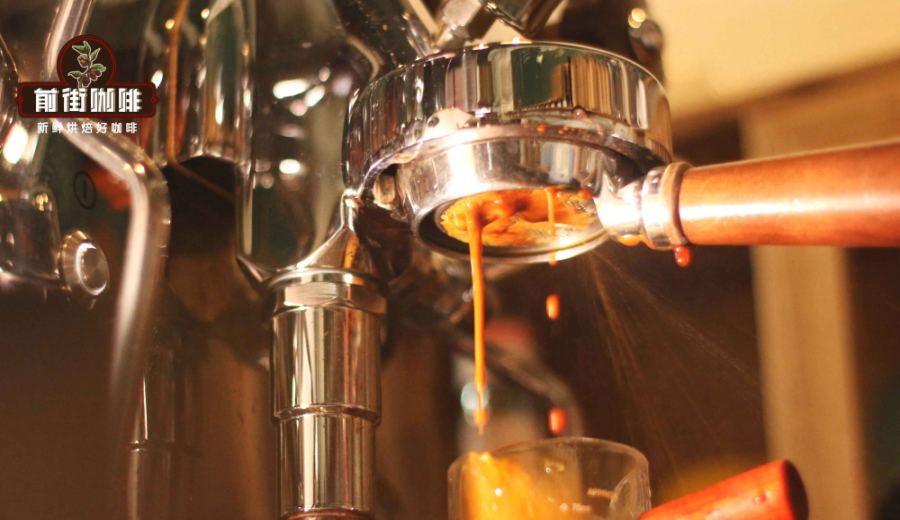
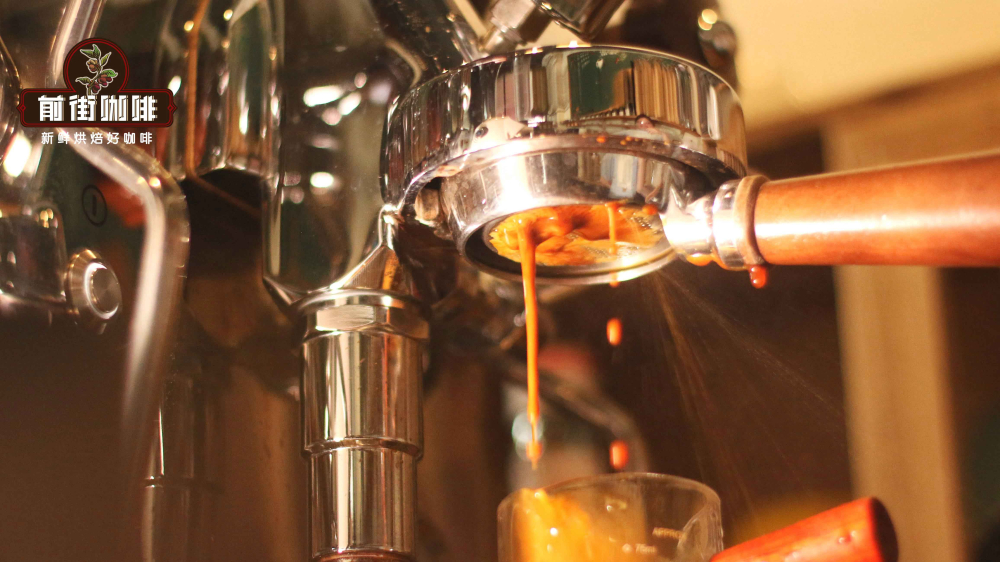
To determine whether puck piercing has occurred, using a bottomless portafilter is the most direct way to observe it. Under normal circumstances, the coffee flows out at a steady rate during extraction, the crema layer shows a natural gradient from dark to light, and the flow is smooth without obvious bursts. However, when the puck is pierced, you’ll notice the extraction speed increases noticeably, and in some areas, there may even be double sprays. These spray points correspond to small holes in the coffee bed, where the flow rate is significantly higher than in other parts, and the crema color is also relatively lighter.
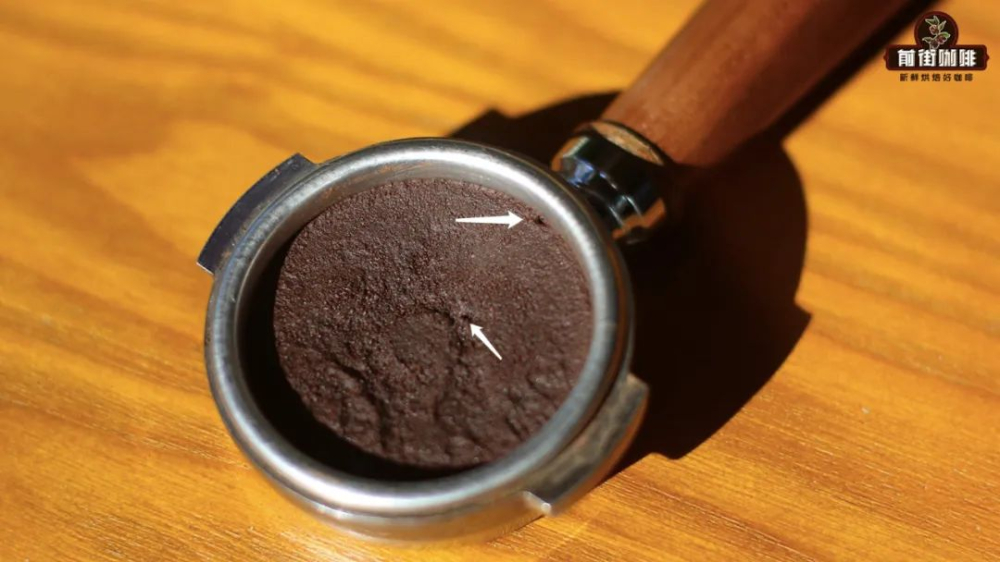
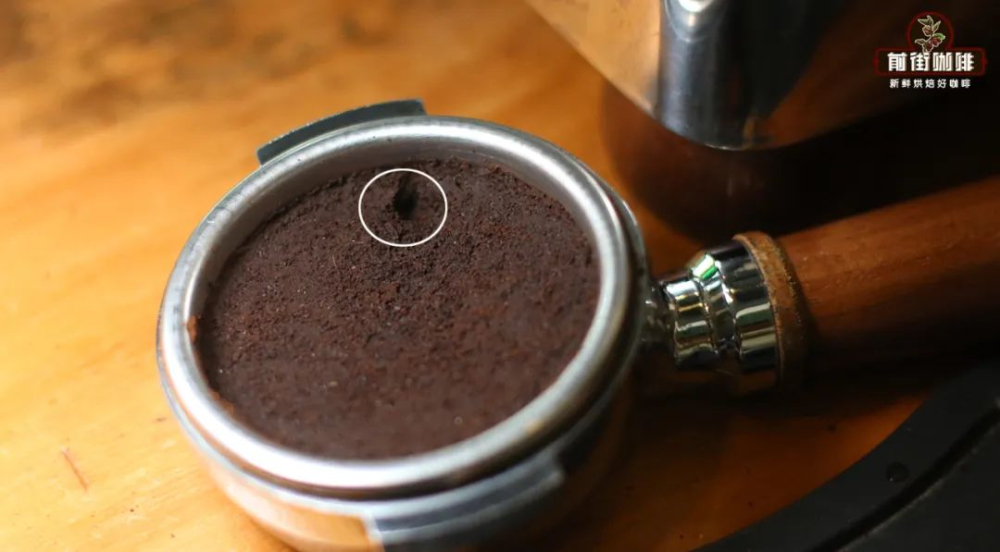
After removing the portafilter post-extraction, closely inspect the top of the puck. If you find that the surface is not flat but scattered with tiny holes (as shown in the following illustrations), these are marks left by the high-pressure water breaking through the puck. In severe cases, these holes may be more obvious and numerous, further exacerbating the effects of channeling. These punctures cause water to concentrate through specific areas, bypassing most of the coffee grounds, resulting in under-extraction and flavor loss.
The main causes of puck piercing can be attributed to three factors: uneven distribution, insufficient coffee dose, and a clogged shower screen. Any issue in these three areas can lead to high-pressure water concentrating and penetrating the puck, creating poor extraction conditions.
First is the issue of uneven distribution. Many people, after dosing, habitually tap or shake the portafilter handle to “even the coffee,” but such actions often compact the coffee bed, which is counterproductive for even extraction later on. A better approach to distribution is: after dosing, pile the coffee grounds into a shape that is slightly higher in the middle and lower around the edges, resembling a small mound. Then, align the distributor vertically with the center of the portafilter basket and rotate it slowly several times to ensure the coffee is evenly spread. At this point, when tamping, just aim to compress and level the coffee bed—applying too much force may overly compress the bed, affecting water penetration.
The second common factor is insufficient coffee dose. When too little coffee is added to the portafilter basket, a larger gap is left between the shower screen and the coffee puck, making it easy for high-pressure water to directly impact the surface layer of the coffee, causing the coffee particles to shift and forming an unstable resistance structure, which eventually leads to localized piercing. Some baristas opt to moderately increase the coffee dose or switch to a smaller-capacity basket to reduce the distance between the coffee bed and the shower screen, helping maintain more stable extraction pressure.
The third reason is closely related to the condition of the shower screen. The main function of the shower screen is to evenly disperse high-pressure water into multiple fine streams, ensuring each part of the coffee bed receives consistent extraction pressure. However, if the shower screen accumulates coffee grounds or becomes clogged with residual coffee over time, the water cannot be evenly distributed, potentially leading to excessive localized pressure that breaks through the puck. Normally, a functioning shower screen will disperse the water into four to five distinct streams; if you notice the water converging into a single strong stream, it likely means the shower screen needs cleaning or maintenance. It’s recommended to regularly remove the shower screen and thoroughly clean it with water or appropriate cleaning tools to ensure even water distribution.
In summary, to avoid channeling and puck piercing, the key lies in controlling various variables during the extraction process. From even distribution and proper dosing to regular cleaning of the shower screen, each step affects the stability of the final extraction and the expression of coffee flavor. By observing flow rate, crema condition, and using a bottomless portafilter to inspect the puck, you can identify problems early and adjust your workflow accordingly, enhancing the quality and consistency of every shot of espresso.
The above content is compiled by CoffeeHunters, a coffee news website.


