








Introduction:Delve into the key extraction parameters of espresso, including the coffee-to-water ratio and brew time, and explore why blends are more favored in professional settings. This article details the relationship between crema and coffee freshness, and offers practical advice on selecting blends—whether for home brewing or café use—to help you master the techniques for consistently flavorful and high-quality espresso.
Espresso preparation has always been a core focus for many coffee enthusiasts and professional baristas. From setting extraction parameters to choosing bean varieties, each step influences the final flavor. Among these, the coffee-to-water ratio and brew time are the most fundamental yet critical variables. In addition, the use of blends is the preferred choice in professional contexts, which actually stems from multiple considerations for flavor balance and extraction stability.
First, let’s talk about the basic definition of espresso. In fact, espresso is not limited to specific types of coffee beans—whether single-origin or blend, light roast or dark roast—as long as it is extracted under high pressure with an espresso machine, it can be called espresso. However, this does not mean that all beans are suitable for making espresso. Because the high-pressure environment of an espresso machine maximizes the release of flavor compounds in coffee, it also means that off-flavors will be amplified. Therefore, choosing high-quality coffee beans without obvious defects is the primary condition for making a good-tasting espresso.

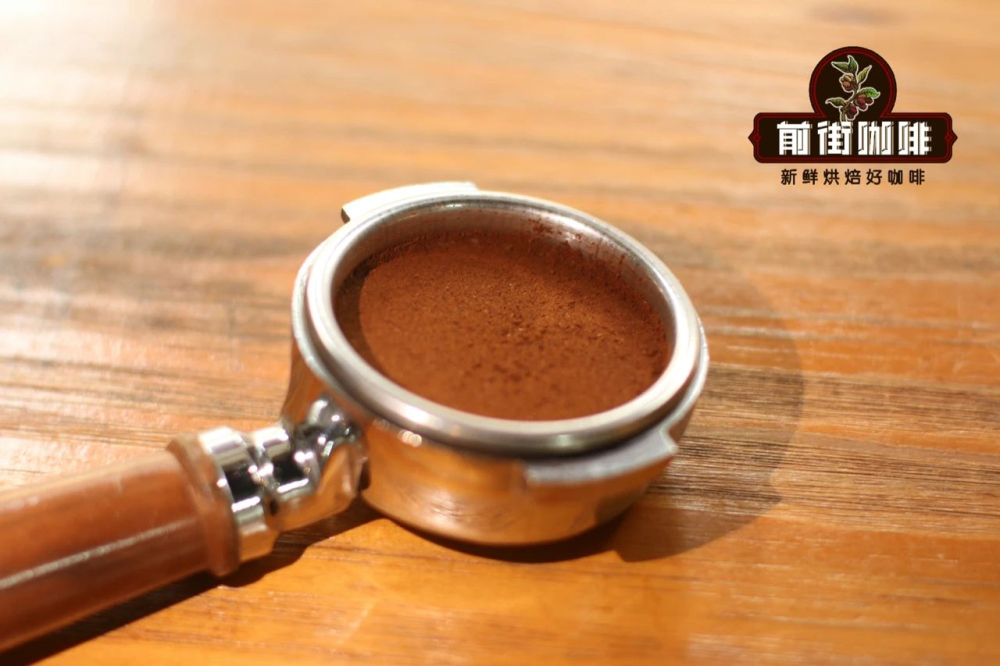
In practice, the coffee-to-water ratio is one of the key factors determining the concentration and mouthfeel of espresso. The commonly used standard ratio is 1:2, meaning using 20 grams of coffee grounds to extract about 40 grams of coffee liquid, with a brew time generally controlled between 25 to 30 seconds. This proportion can achieve a result with concentrated flavor and balanced mouthfeel, and it also serves as the basis for most baristas’ standardized operations in cafés.
As for why blends are more favored by professional baristas and cafés, it’s because blends can complement beans from different origins, processing methods, and roast levels to create a more balanced and layered flavor profile. For example, medium-to-dark roasted blends often have nutty, caramel, and chocolate notes, making them suitable for milk-based drinks; whereas blends with more pronounced acidity and sweetness can showcase livelier fruity and floral characteristics in black coffee.
Next, let’s delve deeper into the mystery of crema. Crema is the golden to brownish layer of oils on the surface of espresso, formed by carbon dioxide and tiny coffee particles in the coffee. The thickness and stability of crema are often regarded as indicators of coffee freshness. However, more crema is not necessarily better. Excessive crema may come from beans that haven’t fully degassed after roasting; such coffee, while producing rich foam during extraction, often comes with excessive bubbly texture and unpleasant sharpness. The ideal crema thickness is about 3 to 5 millimeters, with good viscosity and spreadability.
To test the quality of crema, you can try placing a teaspoon of sugar gently on the crema’s surface. If the sugar remains for about 2 to 3 seconds before gradually sinking, it indicates that the crema layer is sufficiently thick and stable. Additionally, the sugar can slightly soften the bitterness of the coffee, making the acidity more pronounced and thus enhancing the overall flavor complexity. Many coffee lovers also enjoy watching the sugar slowly sink into the coffee as a small ritual before drinking.
In terms of blend selection, different combinations of origin and roast level can bring completely distinct flavor profiles. For example, medium-to-dark roasted blends, commonly used as the base beans supplied daily in cafés, offer gentle mild acidity, nuttiness, and caramel aftertaste, making them suitable for pairing with milk in lattes or cappuccinos. If you prefer a bolder black coffee experience, you might opt for blends with balanced acidity and sweetness, featuring chocolate and dark chocolate notes—such beans can display rich layers and consistent mouthfeel after extraction.
As for extraction parameters, besides the coffee-to-water ratio, brew time is equally crucial. It’s generally recommended to keep the brew time between 25 to 30 seconds; too short may result in a thin and sharp-tasting coffee, while too long can easily bring out excessive bitterness, astringency, and off-flavors. Stable pressure and appropriate grind size are also essential factors in ensuring extraction consistency. For home users, it’s recommended to use a grinder to precisely control grind fineness and strive to maintain consistent tamping pressure each time to enhance extraction stability.
In summary, although making espresso may seem simple, the parameters and details involved are actually quite rich. Whether it’s setting the coffee-to-water ratio, controlling brew time, or selecting blends, all directly impact the final flavor outcome. By mastering these basic elements, whether brewing at home or aiming for consistent output in a café, you can produce a high-quality espresso with both balance and complexity.

The above content is compiled by CoffeeHunters, a coffee news website.


