







Introduction:Want to understand the unique charm of SOE single-origin espresso and how to brew a latte with distinct flavors? This article delves into the definition, historical background, roasting characteristics, and extraction essentials of SOE, and provides practical steps and ratio suggestions for making lattes, helping you fully grasp the essence of SOE coffee from bean selection to brewing.
SOE, or Single Origin Espresso, is known in Chinese as "單一產地濃縮咖啡" (single-origin espresso). Its defining feature is highlighting the unique flavor characteristics of a specific origin. Unlike common blends, SOE emphasizes "origin personality," using beans from a single region to showcase distinctive floral, fruity, nutty, or chocolatey notes. These coffees are typically used as espresso bases, which can then be extended into classic drinks such as lattes, Americanos, or flat whites.
On café menus, drinks labeled as SOE mostly use medium to light roasted beans, aiming to bring out bright acidity and floral notes. For example, Ethiopian Yirgacheffe often exhibits jasmine, lemon, and citrus tones; washed Kenyan beans may show tart-sweet notes of black plum and dark berries. Of course, some cafés also offer medium to dark roasted SOEs, such as those from Colombia and Brazil, delivering rich flavors of dark chocolate, cream, and caramel—ideal for customers who prefer bold profiles.
The biggest difference between SOE and traditional blends lies in flavor “expression.” Blends are usually made by mixing beans from two or more regions to achieve balanced flavors, stable extractions, and cost control. In contrast, SOE focuses on the traits of a single origin, where acidity, sweetness, or aftertaste more directly reflect the soil, climate, and processing methods of that region. As a result, SOE demands higher coffee bean quality and tends to be priced higher.
Roasters often opt for darker roast levels when crafting blends, balancing flavors across different origins and sometimes masking minor defects. However, SOE roasting must be more precise—preserving regional characteristics without losing delicate flavors due to over-roasting. Therefore, SOE roast curves typically range from medium-light to medium, offering a profile that's neither overly intense nor lacking in depth. Extraction, too, requires adjusting grind size, water temperature, and brew time based on the beans’ characteristics to fully express the unique charm of the origin.
The concept of SOE isn’t new. Even back when espresso became popular, many cafés used single-origin beans for espresso—it just wasn’t specifically labeled. With the rise of specialty coffee, baristas began using high-quality single-origin beans in competitions, showcasing espresso’s individualized flavors through refined extraction techniques, thus fueling the popularity of SOE. Moreover, the rise of social media has made it easier for consumers to encounter espresso and lattes made from single-origin beans, turning SOE into a market favorite.
For consumers, choosing an SOE coffee bean that suits your taste is the first step toward enjoyment. If you prefer bright acidity and floral notes, go for medium to light roasted beans, such as Ethiopian natural Yirgacheffe, which features pronounced berry and citrus tones. If you favor bold, rich flavors, medium to dark roasted Brazilian or Colombian beans are great options, often delivering notes of dark chocolate, cream, and nuts that add depth to a latte.
No matter which roast level you choose,the freshness of the coffee beansis key to flavor. It’s recommended to choose beans roasted within 5 days to avoid aroma loss or woody off-notes due to prolonged storage. Additionally, when using medium to light roasted SOEs—whose beans are denser and thus harder to extract effectively—you may need to adjust grind size finer, slightly increase water temperature, or extend brew time to improve extraction yield and avoid sour or thin tastes.
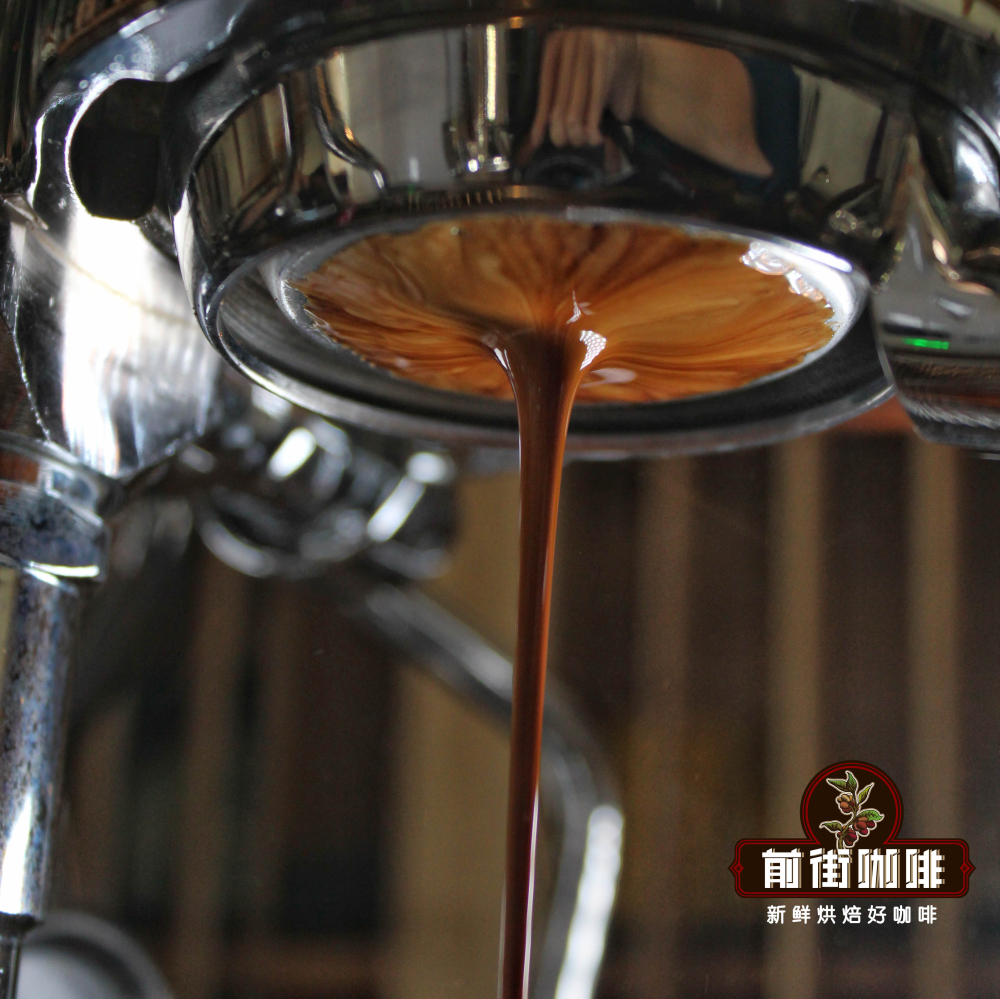
To brew an outstanding SOE espresso, precise control of extraction parameters is essential. Using a standard double-shot portafilter as an example, it’s recommended to use20 grams of coffee grounds, aiming to extract40 grams of espresso, at a1:2[ratio not provided], with an extraction time controlled between26~32 seconds
. Too short an extraction may lead to weak flavors, while too long can result in burnt, over-extracted bitterness.
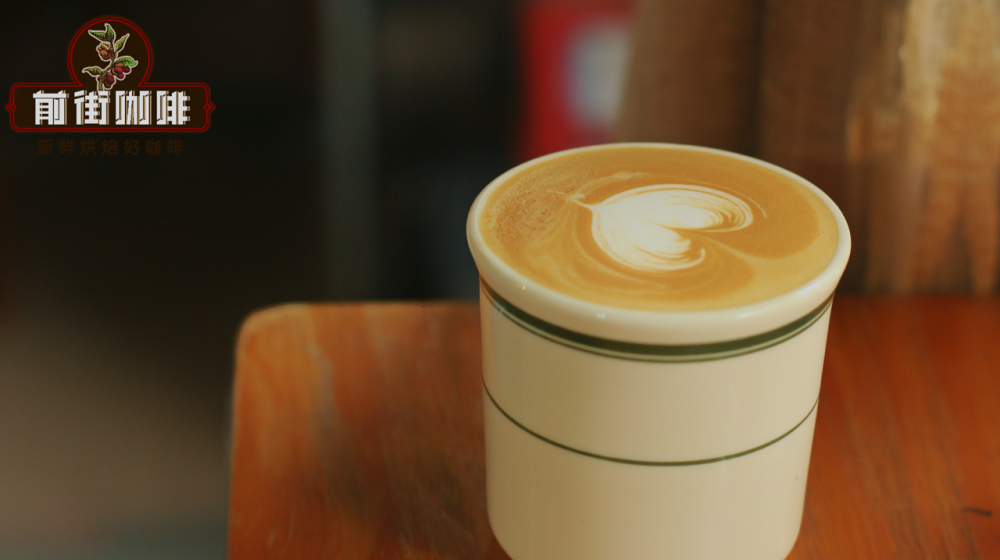
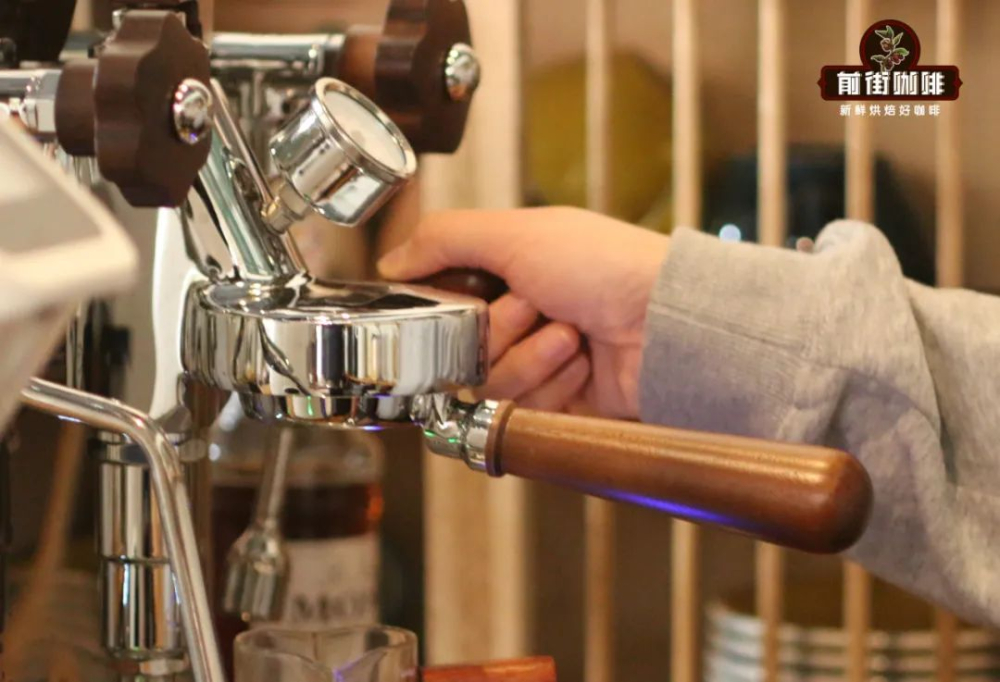
In practice, start by cleaning and drying the portafilter, evenly distributing the ground coffee, then use a tamper to press down vertically, ensuring consistent puck density. Before extraction, run water for 1–2 seconds to pre-wet the group head, then place the cup on the scale and tare it. Begin extraction while observing flow rate and liquid weight, fine-tuning grind size or tamp pressure as needed to achieve optimal extraction balance.1:5Combining SOE espresso with milk creates a latte with rich flavor layers. A typical recommendation is aratio of40 grams of espresso to 200 grams of milk, yielding a smooth and flavorful hot latte. When steaming milk, aim for a temperature between55~65°C
to achieve silky microfoam with moderate thickness. Pouring can also incorporate simple latte art, enhancing both visual and sensory experience.
The above content is compiled by CoffeeHunters, a coffee news website.


