







Introduction:Want to easily brew a smooth Americano at home but find an espresso machine too complicated to operate? A drip coffee maker is the ideal choice for beginners. This article explains in detail the machine capacity, standard coffee-to-water ratio, operation steps, and compares the differences between drip and espresso machines when making Americanos. It also provides recommended grind sizes and bean selections to help you consistently brew a great-tasting hot or iced Americano.
Enjoying a freshly brewed Americano at home doesn’t necessarily require expensive or complex equipment. Drip coffee makers, with their intuitive operation and consistent performance, have become the top choice for many coffee beginners. Just master the right coffee-to-water ratio and brewing steps, and you can brew a pot of aromatic coffee in five to eight minutes—perfect for both hot drinks and iced Americanos.
Many newcomers to coffee often ask: “Is there a simple-to-use, reasonably priced home coffee machine?” The drip coffee maker (Drip Coffee Maker) is the answer. These machines are widely available on the market and are especially suitable for daily use at home or in the office. Their standardized process simply involves adding coffee grounds and water, then pressing a button to automatically complete the extraction—ideal for users who want convenience without sacrificing coffee flavor.
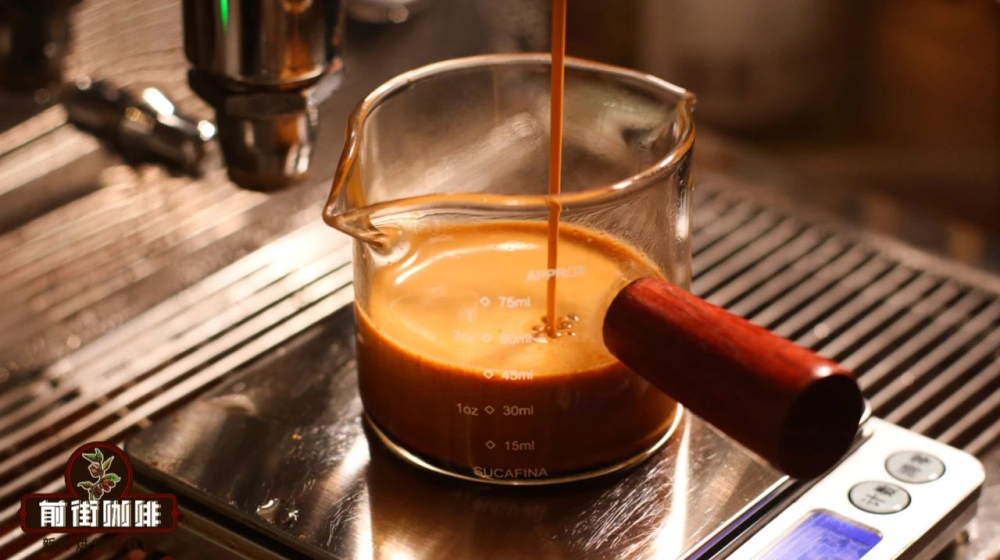
The main difference between drip and espresso machines lies in the brewing principle and final flavor profile. Traditional espresso machines extract concentrated coffee under high pressure and then dilute it with water to make an Americano; drip machines, on the other hand, use gravity to evenly saturate coffee grounds with hot water, resulting in a fresher and more balanced flavor. Understanding these differences can help you choose the right equipment and brewing method based on your needs.
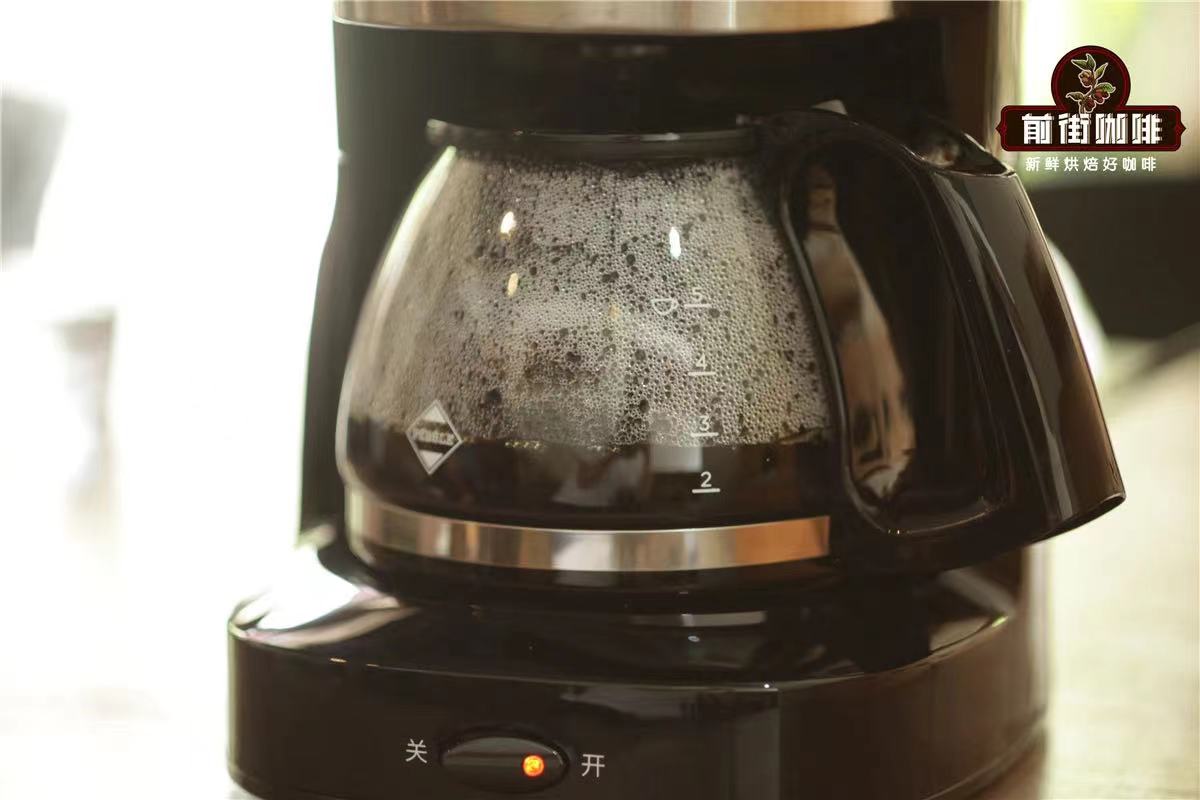
Common capacities for commercial drip coffee makers are divided into 5-cup and 12-cup specifications. A 5-cup machine typically has a glass carafe and water reservoir capacity of about 550ml to 650ml, while a 12-cup machine increases to about 1.2 to 1.3 liters. A “cup” usually refers to 100 to 120ml, and it’s recommended to brew at least two cups at a time for better extraction results. You can use the markings on the glass carafe or the machine's water level indicators to precisely control the amount of water.
Regarding the amount of coffee powder, it is generally recommended to use 5 to 7 grams of coffee powder for every 100 to 120ml of water. Most machines come with a dedicated coffee scoop, where one scoop is approximately 6 grams, corresponding to the standard capacity of one cup. Regardless of the type of coffee beans used, they can be ground into powder and used, with the key being to master the appropriate grind size and coffee-to-water ratio.
The standard operation process is as follows: First, grind the coffee beans into powder with a uniform coarseness. The coarseness can be referenced to a medium-coarse grind for pour over coffee, which helps ensure stable water flow penetration. If you already have pre-ground coffee, you can skip the grinding step.Place the filter paper into the filter basket, then add the corresponding amount of coffee powder according to the number of cups.For example, use about one level scoop (6 grams) of powder for one cup. Next, pour hot water into the water reservoir, with the water level corresponding to the desired number of cups—for instance, fill to the 200ml mark for two cups.
Place the glass carafe on the warming plate of the machine, ensure the filter basket and water reservoir are properly installed, then plug in and start the machine. Wait about five to eight minutes until the coffee has finished dripping, and it’s ready to enjoy. At this point, if you prefer sweetness or creaminess, you can adjust the taste to your liking by adding sugar or fresh milk.
If you want to make an iced Americano, there are two methods: one is to reduce the brewing water volume and add ice cubes to the hot coffee, but be aware that the coffee may become diluted; the other is to mix concentrated espresso liquid with an equal proportion of cold water, which helps retain a richer flavor profile.
It’s worth noting that the grind size required for a drip coffee maker is completely different from that of an espresso machine. Due to the drip brewing principle, it is recommended to use a medium-coarse grind, similar to the setting for pour over coffee, which helps achieve even water flow extraction. If you don’t have your own grinder, you can ask the coffee shop to grind it for you and specify “for drip use” or “medium-coarse grind.”
In terms of coffee bean selection, any beans from various producing regions and processing methods are suitable—the key lies in the roast level and your personal flavor preference. Light-roasted beans such as “Washed Guodingding” or “Natural Huakui” offer bright fruit acidity and a juicy mouthfeel; medium-roasted beans like “Queen’s Estate” and “Bird of Paradise” showcase nutty tones and balanced flavors; dark-roasted beans such as “Golden Mandheling” and “Colombia Huila” are known for their rich bitterness, sweetness, and chocolatey aftertaste—feel free to experiment based on your taste preferences.
The above content is compiled by CoffeeHunters, a coffee news website.


