








Introduction:As temperatures rise, iced coffee becomes the go-to choice for many coffee enthusiasts. But do you know how the four major types—iced pour over, iced americano, cold brew, and ice drip—differ in extraction principles, parameter settings, and flavor profiles? This article provides an in-depth analysis of the brewing processes and key techniques for these four common iced coffees, covering everything from coffee-to-water ratio, grind size, water temperature to extraction time. Whether you want to try it at home or gain a deeper understanding of professional barista practices, you’ll find valuable insights here.
As summer approaches, refreshing iced coffee is growing in popularity. Among them, iced pour over, iced americano, cold brew, and ice drip are the four most common types, each with unique extraction methods, flavor profiles, and operational details. Whether you're a beginner or a coffee enthusiast looking to refine your home brewing skills, mastering the practical methods and parameters for these four iced coffees will give you a better appreciation of coffee’s diverse expressions.
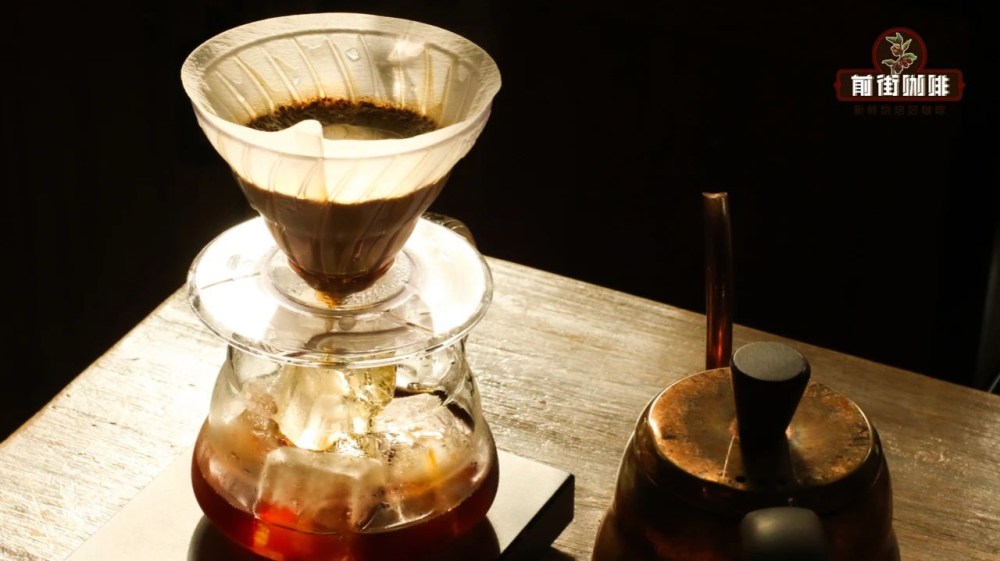
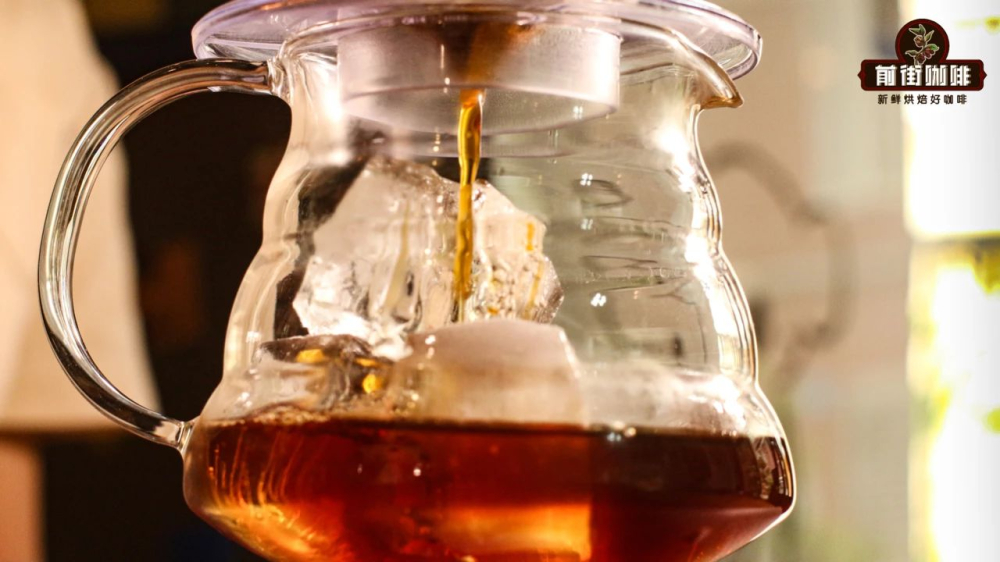
Iced Pour Over Coffee This is a cold beverage method based on manual filter brewing, followed by post-brew ice dilution. This approach emphasizes flavor layers and clarity, making it ideal for those who enjoy bright acidity and fruity notes. In practice, it’s recommended to use about 15 grams of coffee beans, brewed with a 1:10 coffee-to-water ratio by pouring 150 grams of hot water, leaving room for the subsequent addition of 100 grams of ice. Since the melting ice will dilute the coffee, the initial coffee-to-water ratio should be slightly lower to maintain the richness of the final flavor.
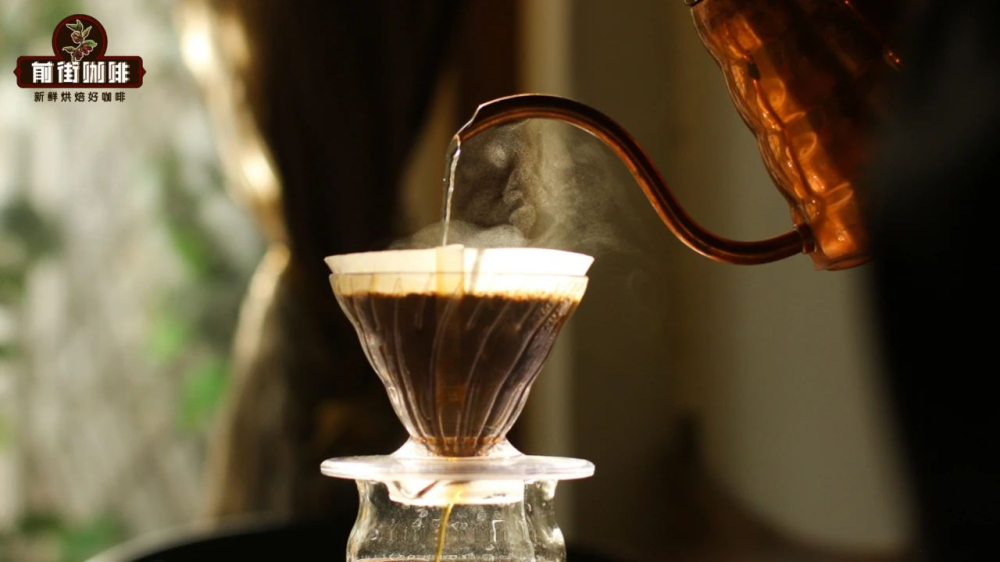
The brewing process is divided into two stages: first, a 30-gram bloom pour to help freshly roasted beans release CO₂ and enhance subsequent extraction efficiency; then, a gentle circular pour to reach 150 grams total. The water temperature is recommended to be around 90°C, and the grind size can be slightly finer than that for hot pour over, with a reference of about 85% passing through a standard 0.85mm sieve , and the total time controlled to around 1 minute and 30 seconds. Finally, pour the brewed coffee over ice and gently shake to evenly cool and integrate the flavors.

Iced Americano is made by first extracting a high-concentration espresso, then adjusting the concentration and temperature by adding ice water. This method balances efficiency with flavor balance and is a common iced drink choice in many coffee shops. Typically, commercial blends are used, which are richer in crema and have a toasty aroma, suiting general tastes. For preparation, it’s recommended to extract 40 grams of espresso from 20 grams of coffee groundsin about 26 seconds, then mix with 300 grams of ice waterat a ratio of about 1:7.5 to make a cool and smooth iced americano.
If you prefer the flavors of low-temperature slow extraction,cold brew coffee is a great option. It uses room temperature or chilled ice water to steep coffee grounds over an extended period, gently releasing flavors while significantly reducing acidity and aroma loss. Although not all cafes may regularly stock this, many coffee lovers make it at home. Generally, it’s recommended to use 50 grams of coffee powder with 500 grams of ice water, at a 1:10 coffee-to-water ratio, along with a coarse grind with about 75% passing through a 0.85mm sieve , placed in a container with at least 600 milliliters capacity and left in the fridge for about 24 hours. This method yields coffee that is typically full-bodied with fewer impurities, suitable for those who prefer a smoother flavor.

Finally, there’s the meticulous and patient ice drip coffee. This method involves ice water slowly dripping through coffee grounds drop by drop, extracting an extremely delicate and layered coffee liquid over a long period. A specialized ice drip maker is required to control the flow rate and time in order to showcase its unique depth of flavor. It’s generally recommended to use 60 grams of coffee beans with 600 milliliters of ice water, also at a 1:10 coffee-to-water ratio, with a grind size slightly finer than pour over,about 85% passing through a 0.85mm sieve. The ice-to-water ratio is 1:1, and the drip speed is adjusted to 7 drops per 10 seconds, with the overall extraction time taking about 6 to 8 hours. It’s suggested to refrigerate the brewed coffee for another 12 hours afterward to stabilize the flavors.
The ice drip process requires specialized equipment with flow control valves, an upper chamber, a coffee chamber, and a lower chamber—such as the common Tiamo HG2713 model, which integrates these basic components, with some even featuring a serpentine cooling tube to maintain constant temperature. Due to the lengthy overall process, it’s advisable to plan ahead. This method is ideal for coffee enthusiasts seeking ultimate flavor and brewing enjoyment.
In summary, these four types of iced coffee each have their strengths: iced pour over emphasizes clarity and layering, iced americano focuses on efficiency and balance, cold brew highlights body and low acidity, while ice drip showcases delicacy and complexity. No matter which you choose, as long as you master key parameters such as coffee-to-water ratio, grind size, water temperature, and time, you can enjoy a surprising cup of iced coffee even in the heat of summer.
The above content is compiled by CoffeeHunters, a coffee news website.


