








Introduction:The Yirgacheffe Gedeo Zone Kochere Guji Cooperative’s coffee beans are renowned for their bright acidity and refreshing tea-like qualities, making them an excellent entry point for exploring the high-altitude flavors of Ethiopia. This article delves into the characteristics of its growing region, the washed processing method, the G1 grade standard, and provides tested V60 pour over parameters along with flavor profiles at different water temperatures to help you master precise extraction techniques for lightly roasted beans.
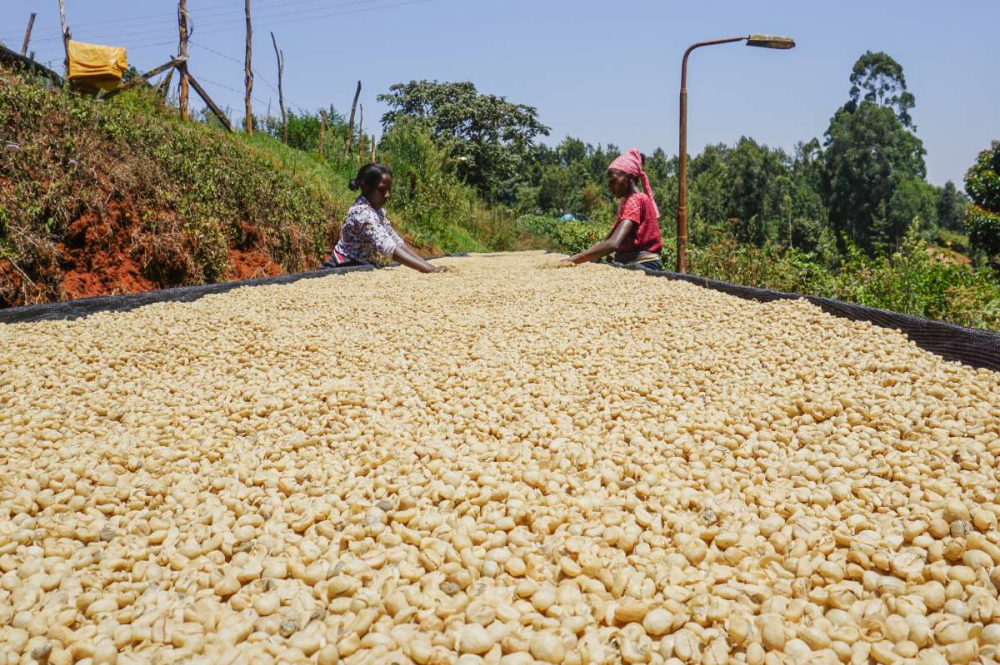
The Yirgacheffe region in Ethiopia has long captivated the global coffee market with its distinctive citrus acidity and elegant floral notes. Among its producers, the Guji Cooperative, though originally part of Kochere, stands out with an even clearer mouthfeel and delicate aftertaste. This washed G1-grade coffee bean boasts pronounced lemon acidity and a soft black tea-like finish, making it a classic not to be missed by fans of light roasts.

Compared to the medium-to-dark roasted blends commonly found on the market, Yirgacheffe Guji emphasizes the pure flavors of native coffee varieties. These coffees typically come from high-altitude regions above 2,000 meters, which contribute to their vibrant acidity and complex layers. When tasting, you can perceive a green tea-like fresh base paired with honey sweetness and subtle floral notes, making it ideal for appreciation through the pour over method.
The Yirgacheffe growing region was originally part of Sidamo but became independent due to its highly distinctive bright fruity notes. It currently includes over forty cooperatives, among which Guji was once part of Kochere before being established as a separate entity after its exceptional potential was discovered by green bean traders. The most captivating aspect of this coffee bean is its refreshing lemon-tea-like acidity upon entry, with an aftertaste that carries a hint of honey, reminiscent of a sunlit highland tea plantation.
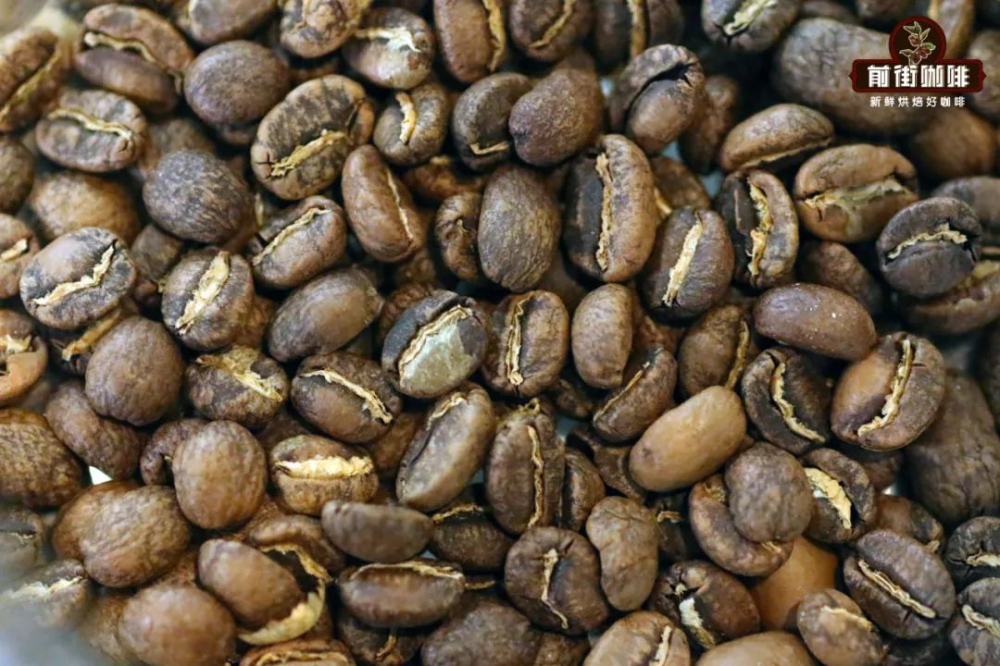
In Ethiopia’s coffee grading system, the ECX (Ethiopian Commodity Exchange) primarily grades beans based on defect rates and processing methods. Washed G1 grade indicates no more than three defects per 300 grams of green beans, representing one of the highest quality standards for export. This coffee from the Guji Cooperative meets these strict criteria as a premium-grade bean, and its Heirloom variety further endows it with rich and varied regional flavors.
Regarding roasting, since the core flavors of Guji are fruit acidity and tea notes, a light roast is recommended. This roasting approach preserves more of the beans’ original fruity aromas and acidity while enhancing the sweetness in the aftertaste. During actual roasting, we tested three different profiles, all starting with a charge temperature of 180°C, adjusting the yellowing point, first crack point, and development time. Ultimately, we selected a set of parameters that balanced citrus aroma, floral notes, and honey sweetness for mass production.
According to cupping results, the second roasting profile performed the most consistently: charge temperature 180°C, yellowing point at 5'00" and 149.9°C, first crack at 8'42" and 183.8°C, with 1'48" of development after first crack, and an exit temperature of 193.5°C. Its flavor profile features citrus and lemon notes in the dry aroma, with floral and berry tones in the wet aroma. Upon tasting, distinct citrus acidity and a creamy smoothness are apparent, gradually revealing black tea and caramel notes in the aftertaste as the temperature drops.
For extraction, we recommend using the V60 dripper for pour over, as its design offers stable flow rate and efficient extraction. We suggest setting the water temperature to 91°C, with a coffee-to-water ratio of 1:15, and a grind size between that of fine sugar (80% passing through a Chinese No. 20 sieve). The specific steps are: start with a 30-second bloom using 30 grams of water, then pour in a circular motion with a small stream until reaching 125 grams and pause; once the water level drops, continue pouring to a total of 225 grams. The total extraction time is approximately 2 minutes. These parameters effectively balance fruit acidity and sweetness, avoiding over-extraction or sharp acidity.
If you wish to further explore the impact of water temperature on flavor, try brewing at different temperatures. Testing shows that water temperatures of 90–92°C perfectly highlight the citrus and black tea notes of Guji, while retaining moderate sweetness and body. If the temperature falls below 86–88°C, although the acidity becomes more pronounced, it may lead to insufficient aroma and a thin mouthfeel. Therefore, the optimal extraction temperature range for lightly roasted coffee is generally recommended to be 90–94°C, which is also the range endorsed by the SCA (Specialty Coffee Association) for light roast beans.
In summary, the Yirgacheffe Guji coffee bean is a premium bean that fully showcases the terroir characteristics of Ethiopia’s high altitudes. Whether you’re a beginner or a seasoned coffee enthusiast, as long as you master the appropriate roast level and pour over parameters, you can experience the wonderful balance of fruity acidity, tea-like texture, and honey sweetness. Feel free to experiment with different water temperatures and grind sizes to find your own perfect flavor combination.
The above content is compiled by CoffeeHunters, a coffee news website.


