







Introduction:The French press is a practical tool commonly used by many coffee enthusiasts, especially suitable for medium to dark roasted beans, as it can fully showcase rich crema and bold aromas. This article delves into the extraction principles of the French press, the types of coffee beans it suits, recommended grind sizes and coffee-to-water ratios, and provides detailed brewing steps. It helps you brew a cup of coffee with prominent aroma and smooth texture using medium to dark roasted beans such as PWN Golden Mandheling, while also explaining the key reasons why light roasted beans are not well-suited for this method.
With its simple operation and outstanding flavor performance, the French press has become the daily favorite for many coffee lovers. This immersion brewing device can fully preserve the natural oils and aromatic molecules in coffee, particularly highlighting the rich characteristics of medium to dark roasted beans. This article will start with the working principle of the French press, analyze the types of coffee beans it suits, the recommended grind size and coffee-to-water ratio, and through practical examples, guide you to master the secrets of brewing a balanced and full-bodied French press coffee.
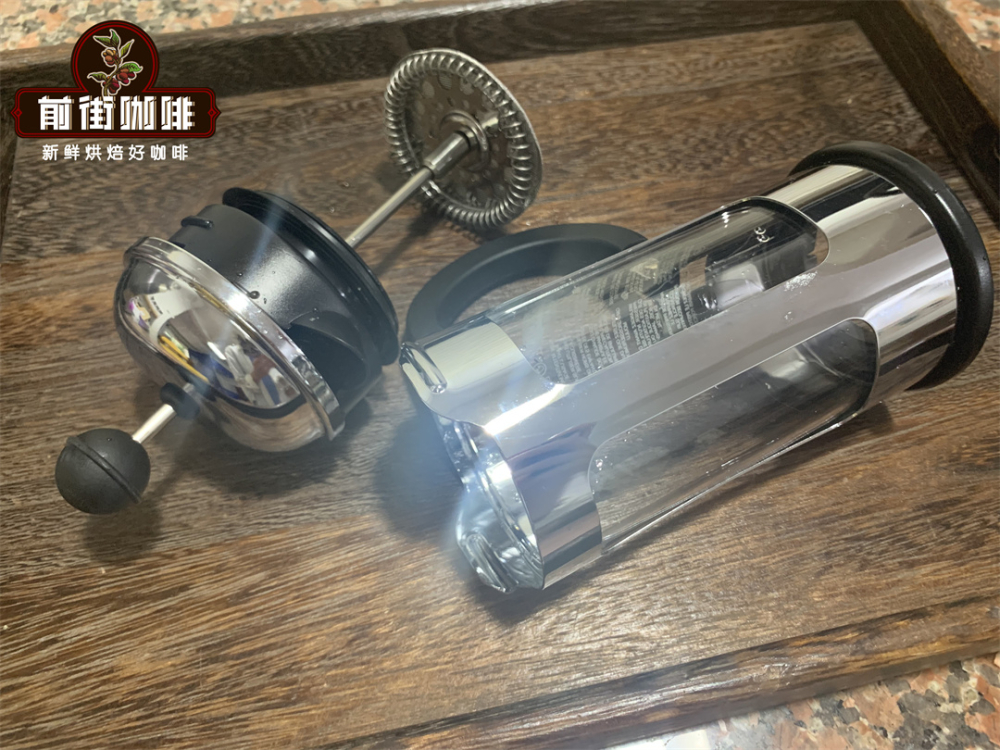
Among the many coffee brewing tools, the French press stands out for its simplicity and efficiency. Simply add hot water and coffee grounds into the pot, let it steep for a while, then gently press the filter, and the extraction is complete. The metal filter is not only durable and easy to clean, but more importantly, unlike paper filters, it does not absorb the oils and subtle flavor compounds in the coffee, thus presenting a more original and rich layering of flavors. This brewing method is similar to professional cupping, capable of fully releasing the aroma, sweetness, and body of the coffee, making it ideal for those who pursue natural flavors.
The popularity of the French press is not only due to its intuitive operation, but also because it can deliver a smooth-textured, long-lasting black coffee with minimal equipment and steps, making it perfect for a quick morning or busy moment pick-me-up. For users who don’t seek elaborate rituals but value flavor performance, the French press is undoubtedly a high cost-performance choice.
When selecting coffee beans, the French press is particularly suited for single-origin beans ranging from medium to dark roast, especially those with balanced flavors and notes of chocolate or nuts. It is generally recommended to choose medium to dark roasted beans from well-known regions such as Brazil, Colombian Huila, Indonesian Mandheling, or Costa Rican Tarrazu. These beans, after appropriate roasting, can exhibit rich sweetness and a full body, complementing the extraction characteristics of the French press.
In contrast, light roasted beans usually have higher acidity and floral-fruity notes. If brewed with a French press, the longer immersion time can amplify sharp acidic flavors, affecting the overall balance of the cup. Therefore, if you prefer a bright and fresh-tasting coffee, it is recommended to choose other brewing methods, such as pour over or drip extraction.
Taking the commonly available PWN Golden Mandheling as an example, this medium to dark roasted bean from Sumatra, Indonesia, features low acidity, a full body, and delicate notes of spice and dark chocolate — a classic choice well-suited for French press brewing. Below, we’ll use this bean as an example to demonstrate the complete process from grinding to brewing.
First, it is recommended to grind the coffee beans to a medium-coarse consistency, similar to the texture of sea salt — slightly coarser than the typical pour over grind, but not too fine, as that may clog the filter, impair filtration, and even make the coffee liquid cloudy. Ideally, the standard sieve should have a passing rate controlled between 70% and 75%. If using coffee pods, you can also open them and grind the contents directly, with a recommended coffee-to-water ratio of around 1:16, such as 15 grams of coffee grounds to 240 grams of water, which can be adjusted slightly according to personal taste.
During the preparation stage, it is recommended to use an electronic scale for precise measurement, which not only helps control the coffee-to-water ratio but also aids in reproducing your ideal flavor profile in the future. Additionally, water quality is also a crucial factor in extraction. It is recommended to use soft or filtered water from brands like Yibao, avoiding hard water or untreated tap water, which may affect the purity and flavor expression of the coffee.
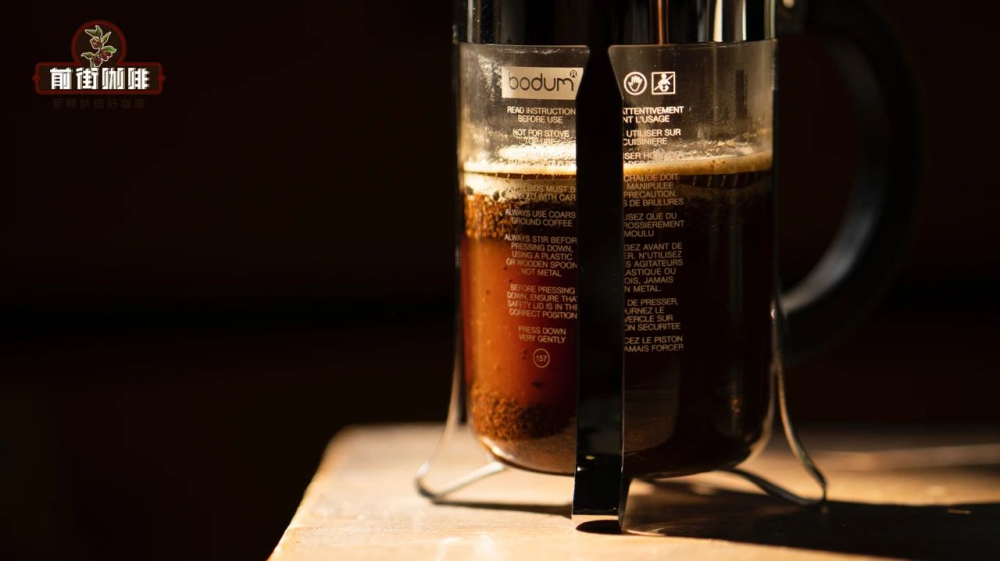
During the actual brewing process, first add the ground coffee into the French press, then pour in hot water at approximately 93°C. It is suggested to start with a 1:10 coffee-to-water ratio for a trial brew, such as 20 grams of coffee beans to 200 grams of water, and adjust according to preference. After pouring the water, gently stir to ensure the coffee grounds are evenly saturated. Then cover the lid without pressing down the filter, and let it steep for about 4 minutes to allow full extraction.
Once the time is up, it is recommended to first open the lid and skim off any floating coffee grounds or foam on the surface with a spoon, then slowly press down the filter to separate the coffee liquid from the grounds. It is important to note that after extraction, the coffee should be poured out immediately to avoid over-extraction from continued steeping, which can affect the taste. Finally, pour the coffee into a cup and enjoy a cup of French press coffee with rich aroma and a full body.
In summary, the French press is a simple, environmentally friendly, and high-flavor-retention brewing tool, especially suitable for coffee lovers who enjoy medium to dark roasted beans and seek a rich and smooth taste. By mastering the appropriate grind size, coffee-to-water ratio, and brewing time, you can easily enjoy a high-quality coffee experience at home akin to that of a café. Why not give it a try now and explore your own unique French press coffee flavor?
The above content is compiled by CoffeeHunters, a coffee news website.


