







Introduction:Want to brew pour over coffee at home that rivals the flavor of café-brewed coffee, but can't seem to get the hang of it? This article takes an in-depth look at the four key parameters that influence coffee flavor: water temperature, grind size, coffee-to-water ratio, and pour over technique. It also introduces five practical brewing methods—including the three-part pour, stirring bloom, Japanese drip, one-pour, and volcano pour—to help you build consistency from basics to advanced skills and bring out the layers and nuances of your coffee.
With the rise of specialty coffee culture, pour over brewing—with its simple yet meticulous approach—has gradually become a daily ritual for many coffee enthusiasts. Yet, even when using the same coffee beans, the flavor you brew at home often doesn’t match the smoothness of café-made coffee, which can be puzzling. In fact, the key to pour over coffee isn’t fancy equipment, but mastering the right parameters and techniques. This article will explain in detail how to adjust and apply the four core parameters—water temperature, grind coarseness, coffee-to-water ratio—and pouring techniques, while introducing five classic and practical pour over methods to help you gradually develop a stable and confident brewing touch.
I. Water Temperature: The Foundation of Extraction Flavor Control
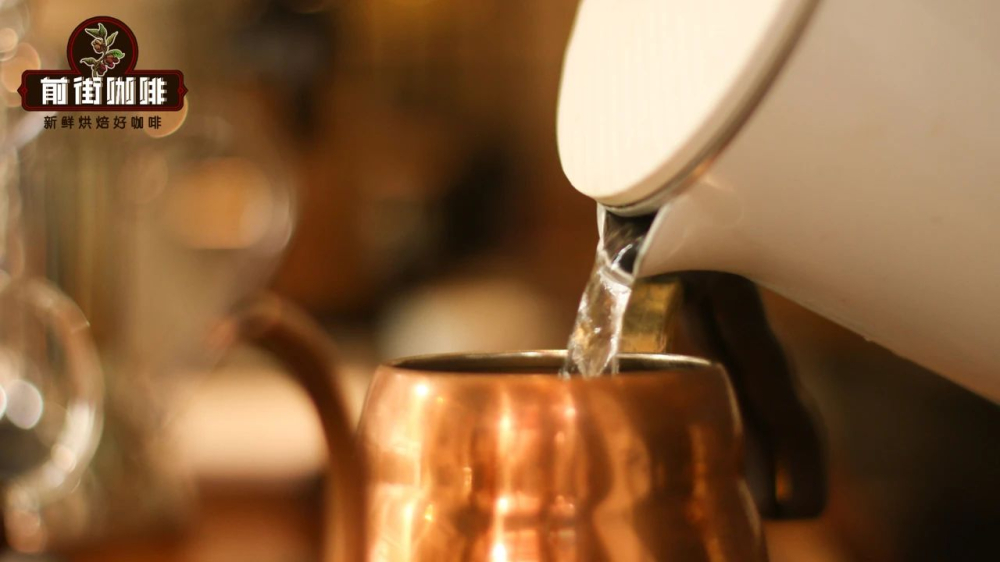
Water temperature is the primary factor influencing coffee extraction efficiency. The higher the temperature, the more substances the water can dissolve, often bringing out bitterness and deeper flavors; lower temperatures tend to extract more acidity, resulting in a brighter but less complex cup. It is generally recommended to use 91-93°C for light to medium roasted coffee beans, while medium to dark roasted beans are better suited to a reduced temperature of 86-88°Cto adjust extraction intensity and avoid over- or under-extraction. There have been practical tests where 86°C was used to brew dark roasted Golden Mandheling, and the resulting flavor profile closely resembled a strong espresso, demonstrating just how significant water temperature’s impact on flavor can be. It’s important to note that different roast levels respond very differently to water temperature, and choosing the wrong temperature is often the main reason for flavor imbalance.
II. Grind Size: Determining Extraction Rate and Flavor Balance
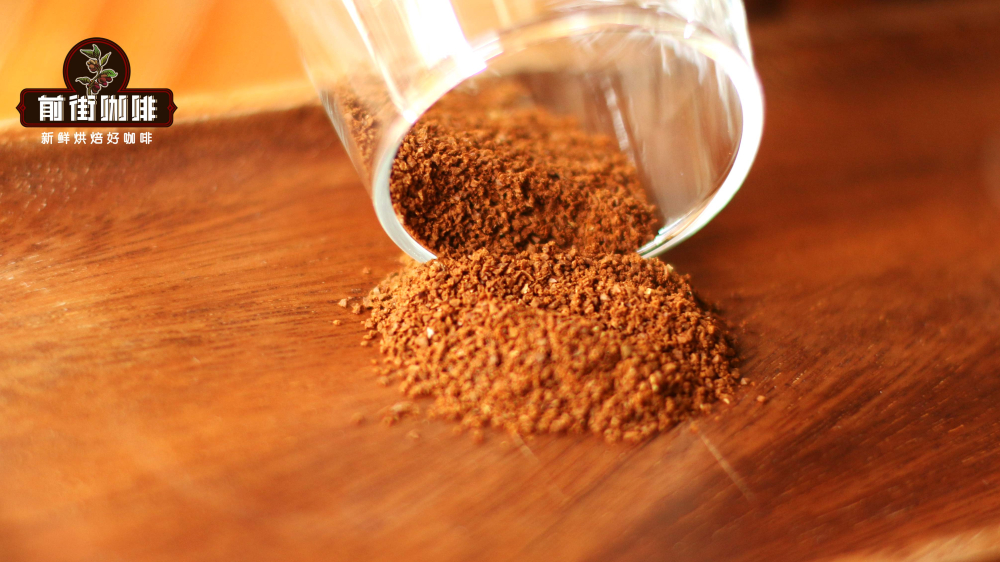
The coarseness of coffee grounds directly affects how long water contacts the coffee and the efficiency of extraction. The finer the grind, the slower water penetrates, extracting more compounds—but if too fine, it can lead to over-extraction, resulting in bitterness; conversely, if too coarse, water flows too quickly, potentially causing under-extraction and a weak flavor. In practice, it is recommended to aim for a Chinese Standard 20-mesh sieve 80% pass rate as a reference benchmark for pour over grinding. This value, tested multiple times, achieves a good balance in most scenarios. Additionally, the same coffee bean may require grind adjustments based on roast level—for example, switching from medium to light roast might call for a slightly finer grind to extend extraction time, and vice versa.
III. Coffee-to-Water Ratio: The Key to Adjusting Strength
The coffee-to-water ratio directly determines the concentration and mouthfeel of the coffee, with common ratios including 1:10, 1:13, 1:15, 1:16 among others. A commonly recommended ratio is 1:15 , or 1 gram of coffee to 15 milliliters of water, which strikes a good balance between flavor expression and strength. Of course, personal taste preferences can also allow for flexible adjustments to the ratio, achieving either a stronger concentrate or a lighter cup as desired.
IV. A Deep Dive into Pour Over Techniques: Five Practical Methods Introduced
In addition to basic parameters, pour over technique greatly influences the final flavor outcome. Below are five common and practical pour over techniques:
1. Three-Part Pour: The Layered Entry Choice
Suited for light to medium roasted beans, the three-part pour method uses staged pouring to clearly showcase the flavor transitions from the beginning, middle, to end of the cup. The steps include:Bloom (around 30 seconds)→ Second pour (circling from the center in a small area) → Third pour (continuing to pour as the water level drops, encouraging particle agitation). During blooming, ensure the coffee bed is level, pour gently, and use about twice the coffee’s weight in water, keeping the time between 30–40 seconds, adjusting according to bean freshness and expansion.
2. Stirred Bloom Method: An Advanced Technique to Enhance Flavor Expression
Originating from the competition scene, this method is suitable for light roasted beans and involves using a stirring stick to perform a cross stir during the bloom phase, helping accelerate aromatic compound release and enhancing overall flavor richness. This method pairs well with fine grinds and high-efficiency equipment (such as the Hario V60 and buono kettle), but care must be taken with stirring intensity and bean quality to avoid over-extraction.
3. Japanese Drip Method: The Art of Slow, Delicate Extraction
This low-flow, long-duration extraction method is ideal for medium to dark or dark roasted beans, emphasizing immersion and slow extraction to create a rich, noticeably sweet cup. Typically using a fine stream of dripping water along with a Kono filter and a flat-spout pour over kettle, the entire process can last 4–5 minutes, demanding great stability and patience.
4. One-Pour: A Minimalist, Continuous Style
After blooming, water is poured continuously in one go until brewing is complete, without interruption. The focus is on controlling the overall rhythm and flow rate of pouring. It’s suitable for those seeking balanced flavors, but has a higher technical barrier—if not well controlled, it can easily result in wateriness or uneven extraction.
5. Volcano Pour: Intense Extraction for Dark Roasts
Originating in Japan and designed specifically for dark roasted beans, this method utilizes multiple blooms to make the coffee grounds expand like a volcano, emphasizing concentrated pouring in the middle and dilution in the latter stage to bring out intense sweetness and a full-bodied mouthfeel. Often paired with a cloth filter or V60, it’s important to ensure even replenishment of water in the later stage to avoid uneven extraction. It’s recommended to swirl the brewed coffee before drinking.
V. Common Issues and Improvement Tips
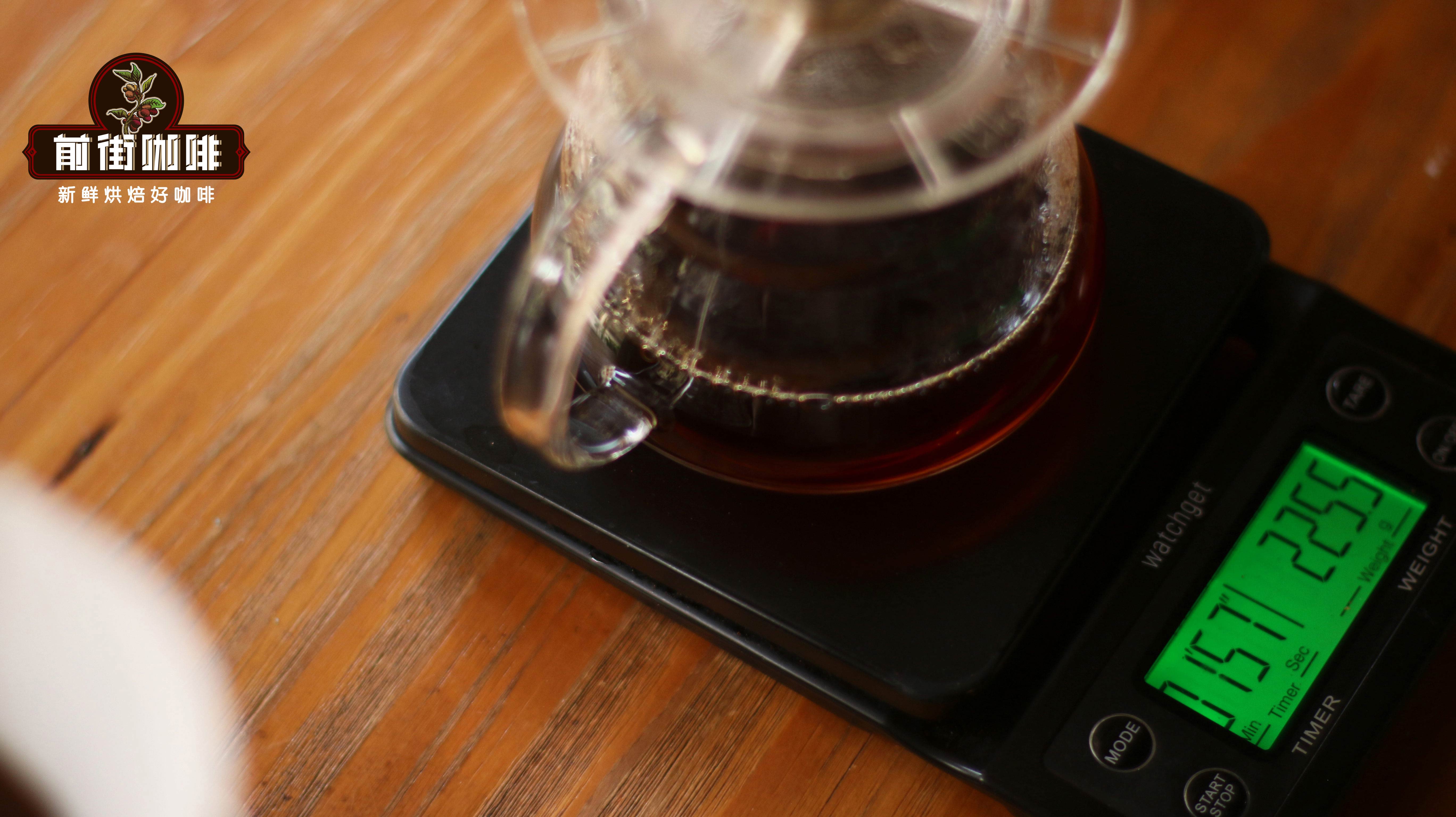
Common causes of failure in pour over brewing include stale coffee leading to poor blooming, inconsistent grind size affecting extraction, inaccurate water temperature control, and an incomplete filter bed causing uneven extraction. Improvements involve strictly controlling variables such as using freshly roasted beans, precisely measuring water temperature, selecting the appropriate grind size, and employing stable pouring techniques, gradually adjusting to find the optimal balance.
The above content is compiled by CoffeeHunters, a coffee news website.


