







Introduction:Adding sugar to coffee is a daily habit for many people, but different types of sugar can affect the overall flavor profile of the coffee. From the pure sweetness of white sugar, to the natural cane aroma of brown sugar, to the unique caramelized layers of caramel, each type of sugar has its suitable coffee styles and pairing considerations. This article will delve into the characteristics of common sugars to help you choose the sweetener that best complements your coffee type and personal taste.
When enjoying coffee, many people choose to add sugar to balance the bitterness. However, with the wide variety of sugars available on the market, which one best highlights the flavor of coffee? In fact, the answer is not absolute. Due to differences in production processes and ingredients, various sugars impart distinctly different levels of sweetness, aroma, and mouthfeel to coffee. The white sugar, brown sugar, and caramel commonly seen in coffee shops each have their most suitable coffee pairings. White sugar, with its pure characteristics, is widely applicable; brown sugar, which retains the original flavor of cane, complements black coffee well; and caramel can add an enchanting hint of caramelized aroma to coffee. Next, we will explore in detail the usage tips of these sugars to help you find the sweetener that best matches your coffee flavor.
Looking back to earlier times, due to limitations in coffee bean quality and roasting techniques, brewed coffee often had a strong, burnt bitterness. To make it more acceptable to consumers who were not used to the bitterness but still wanted to consume caffeine, various seasonings began to be added to coffee. Among them, sugar was undoubtedly the most popular choice—not only effectively masking the bitterness, but also providing an immediate sense of sweet satisfaction.
Even as we entered the 21st century and coffee roasting and extraction techniques have improved significantly, the once pungent burnt bitterness has been greatly reduced. Yet, many people still habitually add sugar to their coffee. Beyond reducing bitterness, modern coffee drinkers often add sugar to enhance the overall mouthfeel of the coffee, making it smoother, richer, and more layered.
A customer once asked in a coffee shop: “With so many types of sugar, is there one that’s particularly suitable for pairing with coffee?” In fact, there is a great variety of sugars, which can be extracted from fruits and vegetables or produced through secondary processing. Different sugars vary in sweetness and flavor expression, but if you ask which sugar is best for coffee, the answer is actually—there is no absolute. Just like the various milk coffees in the espresso system, although all are espresso paired with milk, they exhibit distinctly different personalities due to differences in ingredients and preparation methods. The same goes for sugars; different types of sugar, due to their unique properties, will impart different flavor influences on coffee. Therefore, choosing the most suitable sugar depends on personal needs and the type of coffee.
However, not all sugars are suitable for adding to coffee. Although there are many types of sugar, the ones commonly found in coffee shops are mainly the following (this article only discusses sugars suitable for hot drinks, excluding syrups).
White Sugar
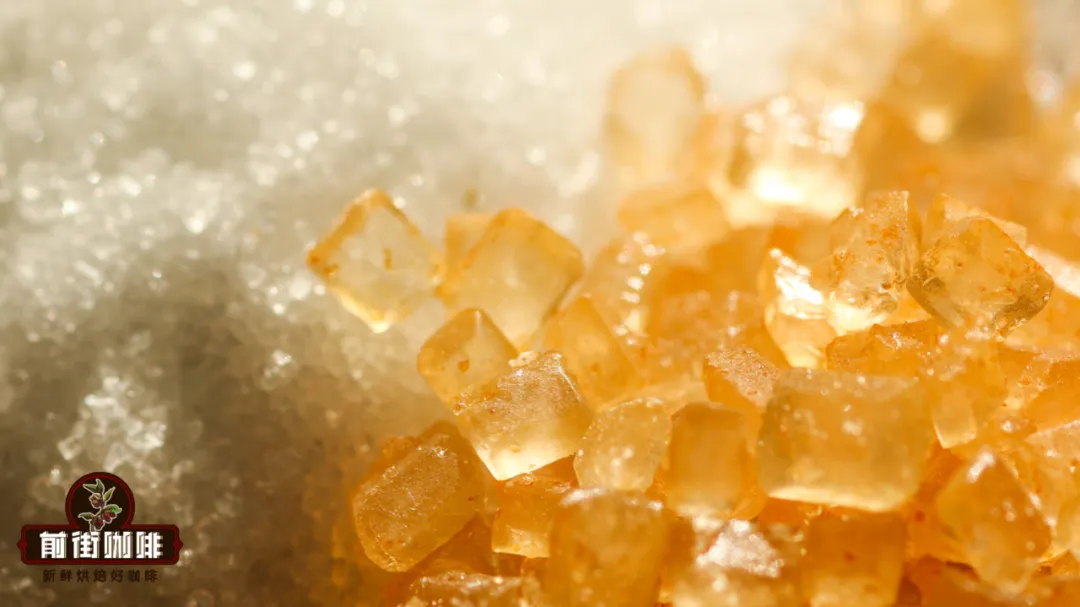
White sugar is not only common in coffee shops, but also widely used in daily life. It is made from the juice of sugarcane or sugar beets through multiple purification processes, ultimately resulting in pure white crystals that are almost free of impurities. But precisely because of its high level of purification, white sugar has a relatively simple flavor, primarily providing pure sweetness without any additional aroma or flavor complexity.
Although white sugar is suitable for all types of coffee, in coffee shops it is mainly paired with milk coffees such as lattes and cappuccinos. This is because these coffees are usually served at lower temperatures, and the fine granules of white sugar dissolve quickly and are less likely to leave residue in the drink. Additionally, cube sugar is also a type of white sugar, suitable for consumers who value convenience and fast dissolution.
Brown Sugar
Brown sugar, like white sugar, is also a common sugar type in coffee shops, but its refining process is less intensive, as it is not overly purified, thus retaining more minerals and trace elements. This gives brown sugar a slightly higher sweetness than white sugar, as well as a more natural cane flavor, with a relatively richer flavor profile.
Brown sugar is typically paired with black coffees such as espresso and Americano, for two reasons: first, the larger granules of brown sugar do not dissolve easily in lower-temperature milk coffees, while the high temperature of black coffee helps it melt quickly; second, the natural sweetness and subtle cane aroma of brown sugar can add a hint of complexity to black coffee. Although the effect is subtle, it enhances the overall richness of the drink’s flavor.
Caramel
Caramel is a product formed by heating other types of sugar to above 170°C through a caramelization reaction. Due to the distinct caramelized aroma produced during its production, its sweetness is slightly lower compared to white and brown sugar, but it can bring a unique aromatic layer to coffee. Adding caramel to coffee not only increases sweetness, but also enriches the overall aroma profile of the coffee.
In recent years, the Caramel Macchiato, which has gained widespread popularity online, uses block caramel as its sweetening agent, adding an enchanting caramel aroma and texture to the drink. Caramel is suitable for coffee lovers who enjoy complex flavors and caramelized characteristics, offering a unique experience that differs from traditional sweetness.
The above introduces several common types of sugar found in coffee shops. Of course, there are many other types of sugar available on the market, though they are used less frequently. Finally, a reminder to readers: although unsweetened pure coffee has gradually become the mainstream in modern coffee culture, adding sugar is not an "incorrect" choice. After all, everyone's taste buds and tolerance differ, and the moderate use of sugar can allow more people to enjoy the pleasures of coffee—there's no need to view the act of adding sugar with prejudice.
The above content is compiled by CoffeeHunters, a coffee news website.


