







Introduction:Delving into Mandheling coffee inspired by the Sumatran tiger, this article explores the geographic background of Aceh, the meticulous selection process behind Tiger Mandheling, and the unique flavors of the wet-hulled processing method. It details the variety characteristics, roasting profiles, and Kono filter pour-over techniques, guiding you to master the essence and brewing essentials of this sandalwood-pine toned coffee.
Mandheling from Sumatra has long been a flagship coffee of Indonesia. Among them, the coffee known as “Tiger Mandheling” not only inherits the rich characteristics of Sumatran coffee but also stands out due to the story behind its name and its stringent selection process. This article will comprehensively analyze this coffee with its agarwood and pine wood tonality through regional features, variety selection, processing methods, roasting, and pour-over recommendations. With actual cupping and extraction parameters, it helps you understand how to highlight its richness and layered profile.
Aceh Region: The Cradle of Sumatran Mandheling
Among Sumatran coffees, the Aceh region plays a pivotal role. Located at the northernmost tip of Sumatra, Aceh has experienced turbulent history due to religious and political factors in the past. However, in recent years, as the situation has stabilized, the local coffee industry has been able to develop steadily. The renowned Lake Tawar and Lake Laut Tawar in Lintong are often referred to as the “Two Lakes, Two Mandhelings,” symbolizing both regions as important Mandheling producing areas. Notably, Aceh has gradually surpassed Lintong in both coffee quality and yield in recent years, becoming a focal point for many international buyers and roasters. Even the large Indonesian green bean trader Pawani has shifted its focus here.
Why is it called “Tiger Mandheling”? Selection and Symbolism
The name Tiger Mandheling is inspired by Indonesia’s iconic animal—the Sumatran tiger. This endangered large feline is deeply rooted in people’s hearts for its majestic and composed image. Beyond being produced on the island of Sumatra, the coffee is named so also due to its strict selection criteria. This coffee uses coffee cherries with 19-mesh sizing, keeping only uniformly sized beans, and undergoes three rounds of hand-picking to ensure each bean is mature and plump. For this reason, locals liken these meticulously selected precious beans to the “Sumatran tiger.” In cupping, this coffee exhibits high body, smooth mouthfeel, and rich notes of agarwood and pine, with a sweet and layered aftertaste that evokes the calm and stealthy movement of a tiger.
Varietal Composition: Balance of Flavors between Typica and Caturra
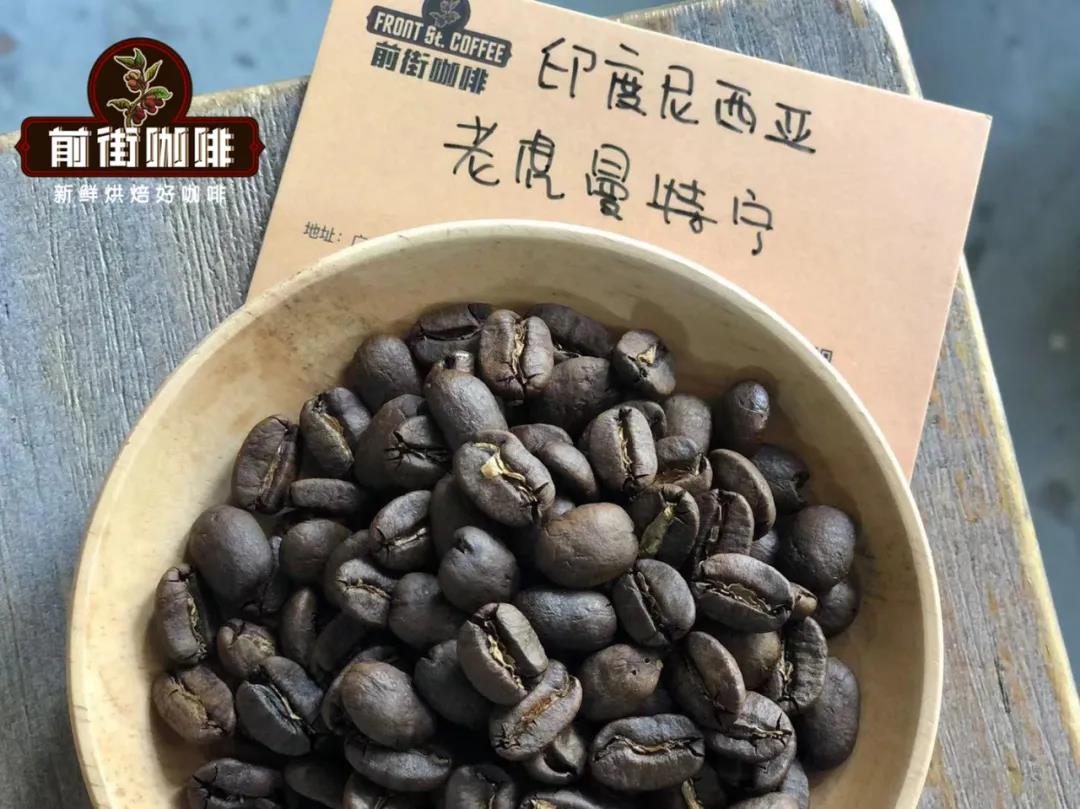
Tiger Mandheling is made from two classic Arabica varieties—Typica and Caturra. Typica has bronze-tipped leaves and an elongated bean shape, delivering elegant and subtle flavors in the cup. Though it has lower yield and weaker disease resistance, its balanced taste and clean finish have always been favored by coffee enthusiasts. Caturra, a Bourbon mutation, has rounder and more slender beans, offers better productivity and disease resistance, and presents brighter flavors with outstanding sweetness, adding a touch of freshness and vibrancy to the overall profile.
Wet-Hulling Process: The Key to Shaping Sumatra’s Unique Flavors
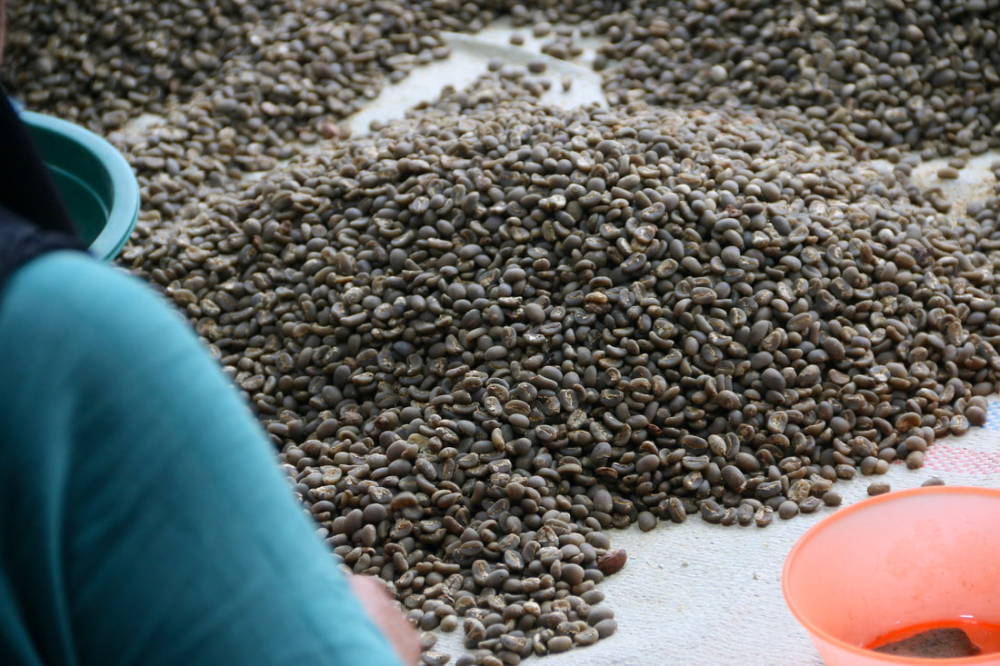
Tiger Mandheling adopts Indonesia’s unique wet-hulling process. The steps include first removing the skin and pulp, followed by brief fermentation, initial sun drying, then removing the mucilage and parchment, and finally continuing to dry until the moisture content reaches about 12%. A key feature of this method is that it significantly shortens the overall drying time to just 2 to 4 days, resulting in reduced acidity and significantly enhanced body and sweetness. Additionally, the common compression cracks during wet-hulling give the beans a horseshoe-like surface and create their unique dark bluish-green appearance. This process imparts complex aromas of herbs, grass, wood, and caramel, forming the distinctive flavor profile of the Sumatra region.
Roasting Profile and Cupping Flavor Expression
Given the characteristics of Tiger Mandheling green beans—round bean shape, yellowish-green appearance, good uniformity, and higher moisture content—roasters typically opt for a medium-dark roast to reduce excessive acidity while enhancing body and flavor balance. In actual roasting, it is recommended to start at 200°C with an initial fan setting of 3, then gradually adjust heat and airflow to control the drying phase and first crack development, finally dropping the beans at 203°C to fully showcase its layers of pine, nuts, and dark chocolate.
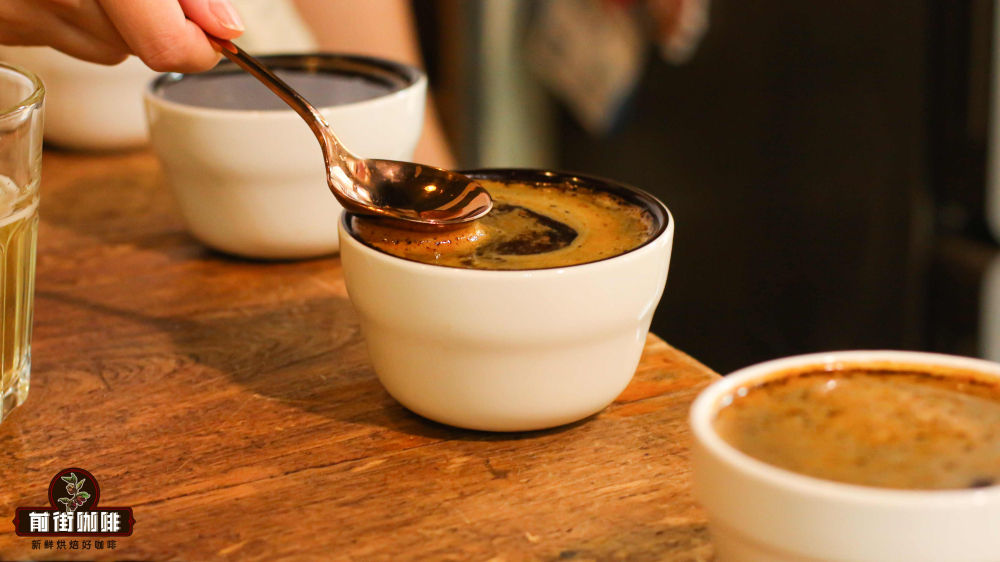
Cupping results show that this coffee presents herbal and piney notes in the dry aroma, while the wet aroma emits Chinese herbal and caramel scents. Upon sipping, one can perceive a combined profile of herbs, nuts, cream, and dark chocolate, with notable sweetness and a long-lasting aftertaste.
Kono Filter Pour-Over Parameters and Practical Techniques
To highlight the body and aroma of Tiger Mandheling, it is recommended to use the immersion-focused Kono filter. The rib design of this filter is mainly concentrated at the bottom, allowing the filter paper to adhere tightly to the cup wall, effectively slowing down the water flow rate and extending the contact time between water and coffee grounds, thereby improving extraction fullness and smooth mouthfeel.
Recommended parameters are as follows: use 15 grams of coffee grounds, a 1:15 coffee-to-water ratio, with water temperature controlled at 88°C, and grind size at medium-coarse (approximately 73% passing through a standard 0.85mm sieve). During pouring, start with 30 grams of water for a 30-second bloom, then pour in small circles to reach 125 grams for the first pour. After the water level drops, continue pouring to 225 grams to finish. Total brew time is approximately 2 minutes and 5 seconds.
After brewing, the flavor profile is dominated by nuts, cream, dark chocolate, and caramel, complemented by a subtle note of Chinese herbal medicine. The overall sweetness is prominent with a clear layered structure, making it a high-quality Mandheling ideal for slow, mindful sipping.
The above content is compiled by CoffeeHunters, a coffee news website.


