







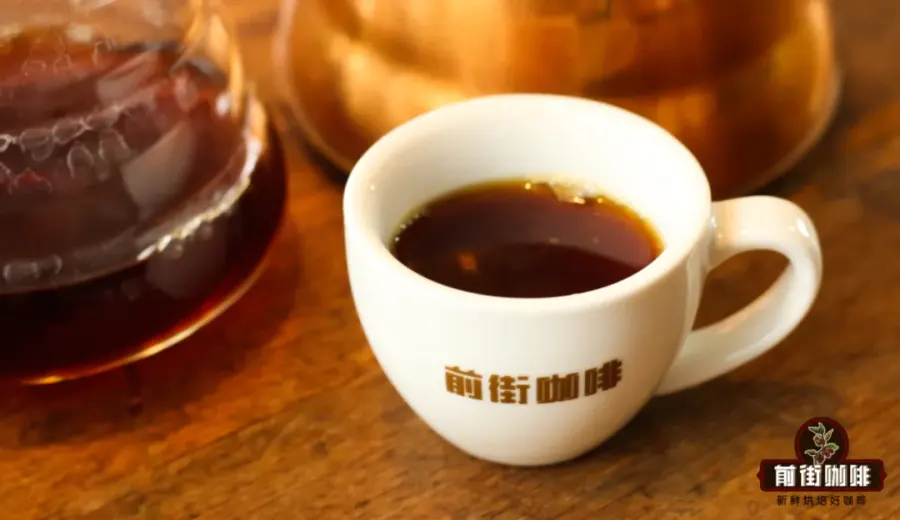
Introduction:Robusta coffee powder, with its intense, bitter richness and high caffeine content, holds a unique place in the coffee world. While it is commonly found in commercial blends and instant coffee products, it has also gradually attracted attention from those focused on health and body management. This article will delve into Robusta’s origin characteristics, flavor profile, suitable brewing methods, and its potential role in fat reduction, helping you better understand this often-overlooked coffee bean variety.
In modern life, coffee has become an indispensable beverage for many, especially for those pursuing health management and an ideal physique, where black coffee is particularly esteemed. Its diuretic properties, promotion of gut health, and ability to boost metabolism help reduce water retention, improve digestion, and thereby positively impact weight management. However, excessive caffeine intake may lead to overstimulation of the nervous system, affect sleep quality, or even stimulate gastric acid secretion, causing discomfort. It is recommended to limit daily intake to 2–3 cups (150 ml each) of black coffee.
If you want to use coffee to assist with fat loss, timing your consumption is crucial. Studies indicate that about 30 minutes after caffeine intake, the concentration of free fatty acids in the body peaks. Engaging in moderate to high-intensity exercise at this time can promote fat breakdown and enhance the fat-burning efficiency of the workout. Therefore, drinking a moderate amount of black coffee before exercising is a strategy adopted by many fitness enthusiasts.
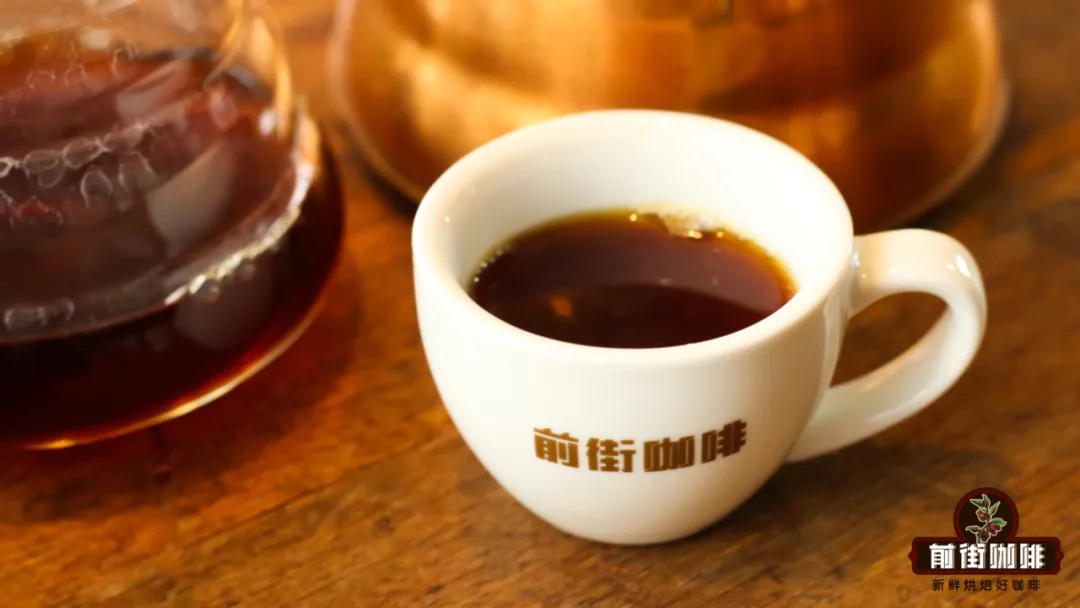
When it comes to coffee varieties, most people first think of Arabica, known for its delicate flavors and bright acidity. However, there is another major player in the market—Robusta. This coffee, often referred to in the industry simply as “Lu Dou,” is known for itshigh caffeine content (approximately 2.7%–4%)and its strong, bitter, and bold taste. It is commonly used in dark-roasted espresso blends or instant coffee. In contrast, Arabica contains only about 1%–1.5% caffeine, while Robusta not only doubles that amount but also boasts stronger adaptability, able to grow in harsh conditions such as high temperatures, drought, and humidity. It doesn’t require high altitudes for cultivation, resulting in lower planting and harvesting costs and a more affordable price.
In terms of flavor, Robusta often lacks the bright, uplifting fruit acidity typical of Arabica. Instead, it is characterized bya bold, thick body with herbal and grain-like undertones. Its green beans havehigher levels of chlorogenic acidand a lower sugar content, contributing to its distinctive intense bitterness. If processed improperly, it may also carry earthy or rubbery off-notes. To suppress these negative flavors, roasters often opt for dark roasting to bring out a heavier mouthfeel and oiliness.
Dark-roasted Robusta beanswhen brewed as espresso, can release a generous amount of fine coffee oils (crema). These oils not only make the coffee visually more appealing but also contribute to a rounder, fuller flavor. In Italy, where consumers prefer a bold and rich coffee taste, many cafés include a small amount of Robusta in their espresso blends to enhance the “authentic coffee flavor” and elevate the drink’s complexity and body.
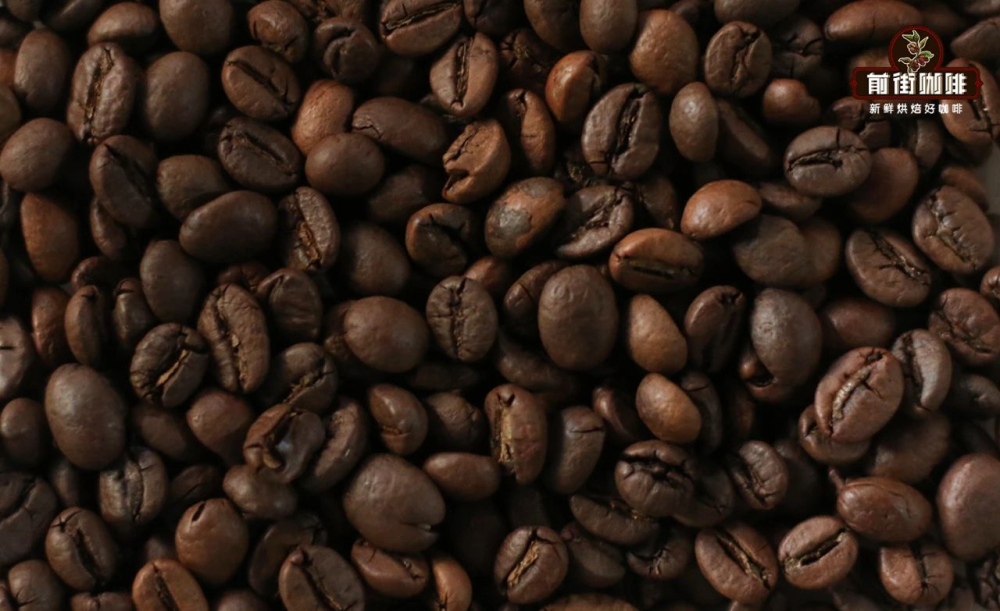
For general consumers who wish to try the flavor of Robusta coffee powder, blends containing a small proportion of Robusta beans are a good choice. These blends typically feature stable crema performance and a bold flavor. Without the need for complex equipment, they can be easily brewed into rich black coffee using standard home espresso machines, moka pots, or American drip brewers. If you don’t have a grinder, pre-ground coffee powder is also an option, but note that once ground, coffee’s aromatic compounds evaporate quickly. For the best drinking experience, it is advisable to consume the coffee within about a week.
Additionally, freshness has a significant impact on a coffee’s overall performance. Roasted coffee beans typically reach their flavor peak around 5–14 days after roasting, after which aroma and taste gradually decline. Choosing freshly roasted coffee products (e.g., those roasted and shipped within 5 days) ensures you enjoy the fullest, liveliest flavor. When buying coffee powder, prioritize products with a recent roast date to avoid those that have been stored for too long, which can negatively affect taste.
In summary, although Robusta coffee powder is often considered suitable for commercial use, its bold flavor, rich oils, and high caffeine content make it effective in scenarios such as fat loss, pre-workout fueling, and everyday alertness. With the right brewing method and timing, you can also discover your own enjoyment and health benefits from this often-overlooked coffee variety.
The above content is compiled by CoffeeHunters, a coffee news website.


