







Introduction:Indonesian Mandheling coffee is renowned for its low acidity and full body, with PWN’s Golden Mandheling standing out as a premium representative. This article delves into Indonesia’s green coffee grading standards, teaches you how to identify authentic Golden Mandheling, and shares expert pour over parameters and flavor profiles, so you can brew a balanced and rich Sumatran-style coffee at home.
The quality rating of specialty coffee directly impacts its market value. As a globally recognized representative of low-acidity, full-bodied coffee, Indonesian Mandheling has an especially rigorous grading system. Take Golden Mandheling from the Sumatra region, for example—this coffee bean, carefully selected by PWN, achieves G1 grade quality through three rounds of hand sorting, making it a prized choice for many coffee enthusiasts.
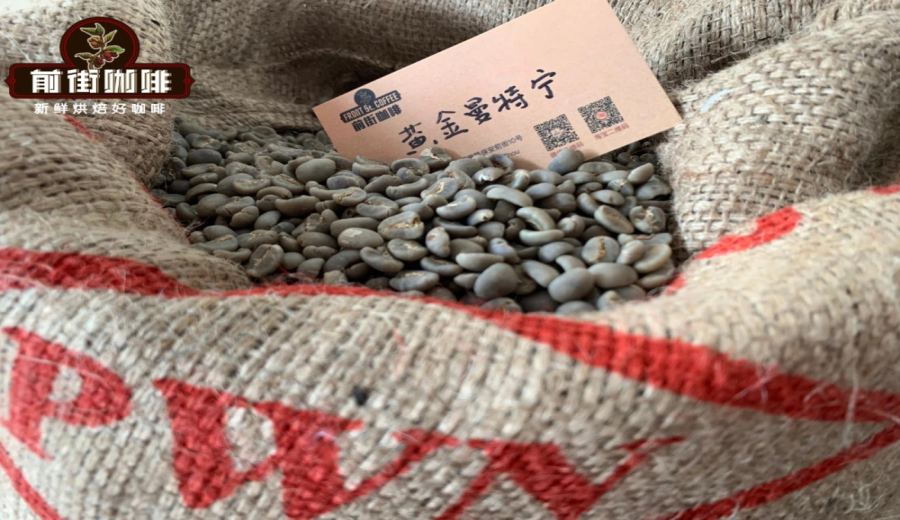
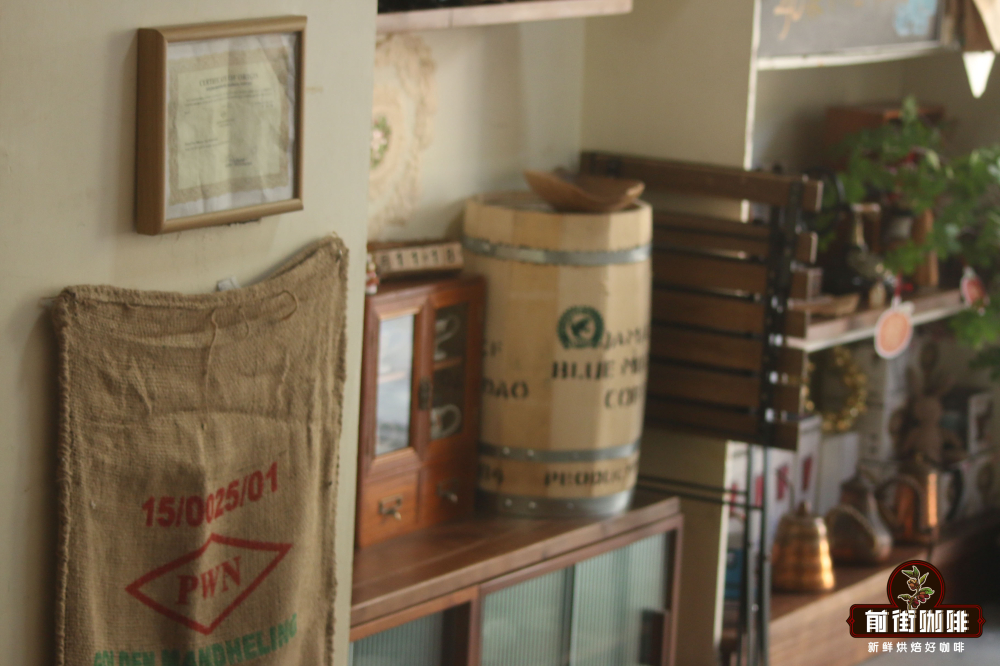
Key identifiers of Golden Mandhelinglie in two official certifications: the green coffee sack must bear the PWN trademark, and it must be accompanied by a genuine origin certificate. These anti-counterfeiting features effectively distinguish it from the many imitations on the market.Physical sacks displayed in-store can serve as reference samples.。
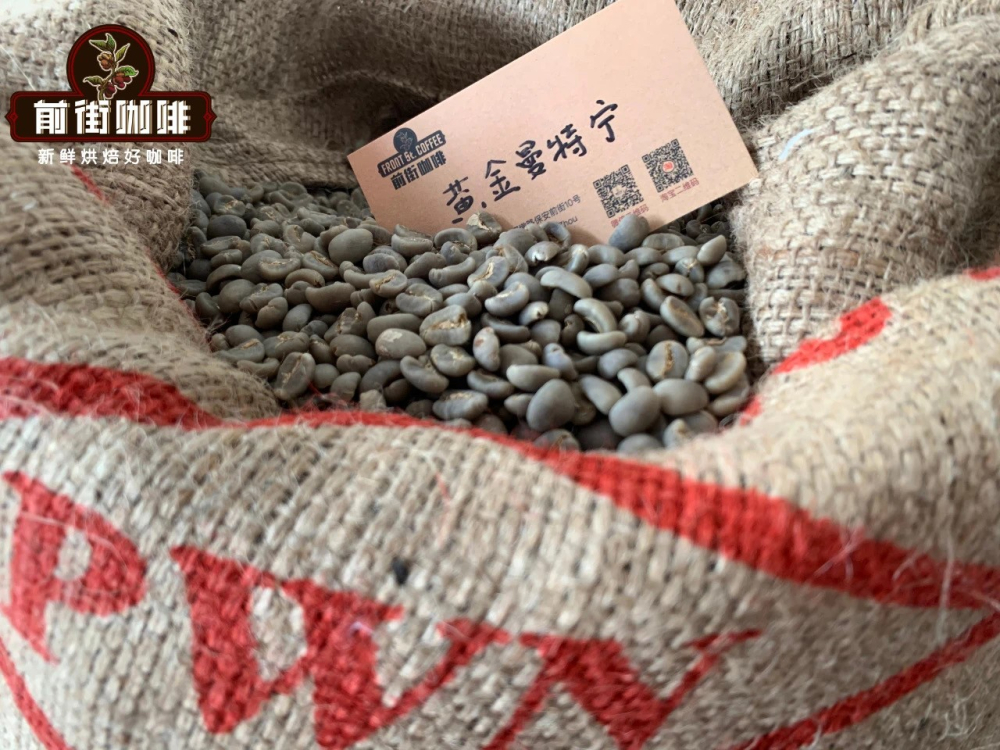
Indonesia’s coffee grading system is primarily based on the number of defective beans, supplemented by bean size screening. The highest G1 grade requires no more than 11 defective beans in a 300g sample, with moisture content strictly controlled at or below 12.5%. The sack labeling of Golden Mandheling“Triple pick” and “GRADE 1”certifies that it has undergone three rigorous hand sorts, placing it in the highest grade of Indonesian green beans.
PWN’s quality control goes even further—beyond manual sorting, machines are used to grade by density and color, ensuring uniform bean size and consistent coloration.This dual screening mechanism is a key factor in the consistent flavor profile of Golden Mandheling.。
When brewed, Golden Mandheling demonstrates exceptional clarity and layered aromas. Its typical flavor profile includes a rich nuttiness, pronounced caramel sweetness, and delicate notes of chocolate and spices in the finish.It is recommended to use the beans within 5 days of purchase for the best tasting experience.Freshly roasted beans can fully showcase these flavor characteristics.
Brewing Golden Mandheling requires careful attention to parameter control. With its medium-dark roast, the bean structure is relatively loose, so it is recommended to usea water temperature of 87–88°Canda medium-coarse grind (approximately 70% passing through a #20 sieve), along with a 1:15 coffee-to-water ratio. A three-stage pouring method can optimize extraction efficiency: the first stage involves blooming with twice the coffee’s weight in water for 30 seconds, followed by pouring up to 125g, and finally adding water up to 225g to complete the extraction.
The unique structure of the KONO filteris particularly well-suited for this type of medium-dark roast. Its limited venting design extends the contact time between water and coffee grounds, and the resistance from the filter paper extracts a richer array of soluble compounds, thereby enhancing the full-bodied mouthfeel. During actual brewing, when the water level covers about a quarter of the filter’s ribs, a natural pressure extraction effect is formed.
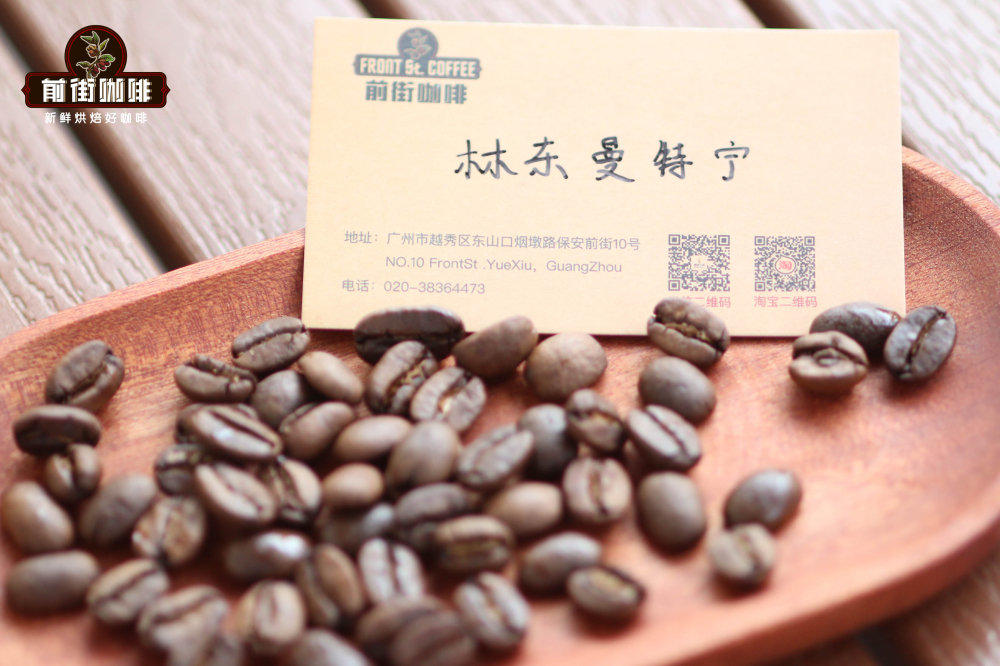
The brewed Golden Mandheling exhibits excellent balance, with noticeable flavor transitions from hot to warm. The initial stages are dominated by nut and caramel notes, which gradually give way to spice and chocolate tones as the temperature cools, with a long-lasting aftertaste. Mastering the correct grading knowledge and brewing techniques allows you to replicate a café-quality drinking experience at home.
The above content is compiled by CoffeeHunters, a coffee news website.


