







Introduction:As an important origin of specialty coffee in China, Yunnan has gradually garnered attention from coffee enthusiasts both domestically and internationally in recent years. This article will delve into the unique flavor characteristics of Yunnan small-bean coffee, explore how it differs from generic Yunnan coffee, and analyze its major producing regions, varietal evolution, processing methods, and suitable brewing techniques, helping readers fully grasp the essence of this Asian coffee.
As China’s largest coffee-producing region, Yunnan, with its exceptional geographical conditions, has led more and more consumers to recognize the potential of domestic coffee. So, what exactly are the characteristics of Yunnan small-bean coffee? And how does it differ from the broadly termed “Yunnan coffee”?
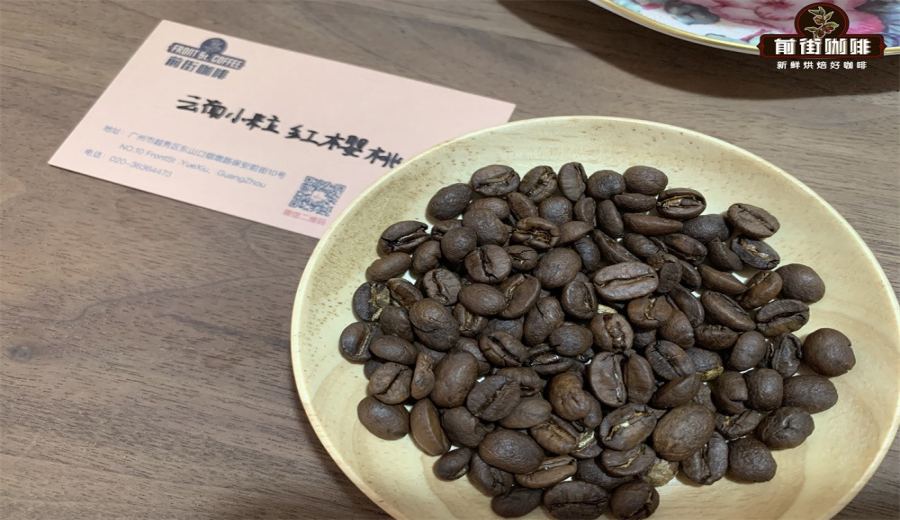
The overall taste profile of Yunnan small-bean coffee leans neutral, with a well-balanced acidity and bitterness, accompanied by a sweet aroma reminiscent of brown sugar and a mild fruity acidity, delivering a rich yet non-irritating drinking experience. This type of coffee usually has pronounced aromas and clear flavor layers, suiting the taste preferences of most people.
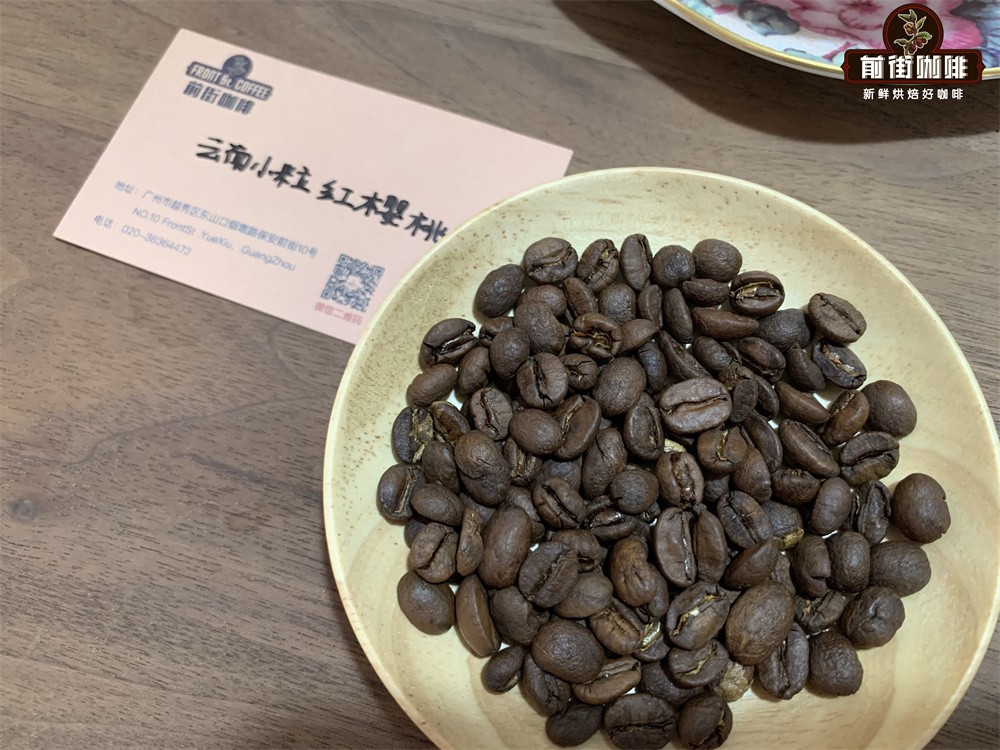
From a varietal perspective, the so-called “small-bean coffee” is actually another name for the Arabica species, named for its relatively smaller bean size. Currently, the varieties planted in Yunnan include the classic Typica, as well as the disease-resistant and high-yield Catimor. Typica offers more elegant floral and fruity notes with a clear acidity, while Catimor, containing Robusta genes, has higher yield and disease resistance, but may easily develop off-flavors if processed improperly.
Yunnan is the core coffee-growing region in China, accounting for over 90% of the country’s total production, with an annual output of about 26,000 metric tons. Located south of the Tropic of Cancer, the region features a subtropical highland climate with fertile red soil and significant diurnal temperature variations. Its environmental conditions are similar to those of Colombia, conducive to cultivating coffee beans that are rich and aromatic. Its flavors often carry notes of nuts, caramel, and herbal undertones, showcasing distinct regional characteristics.
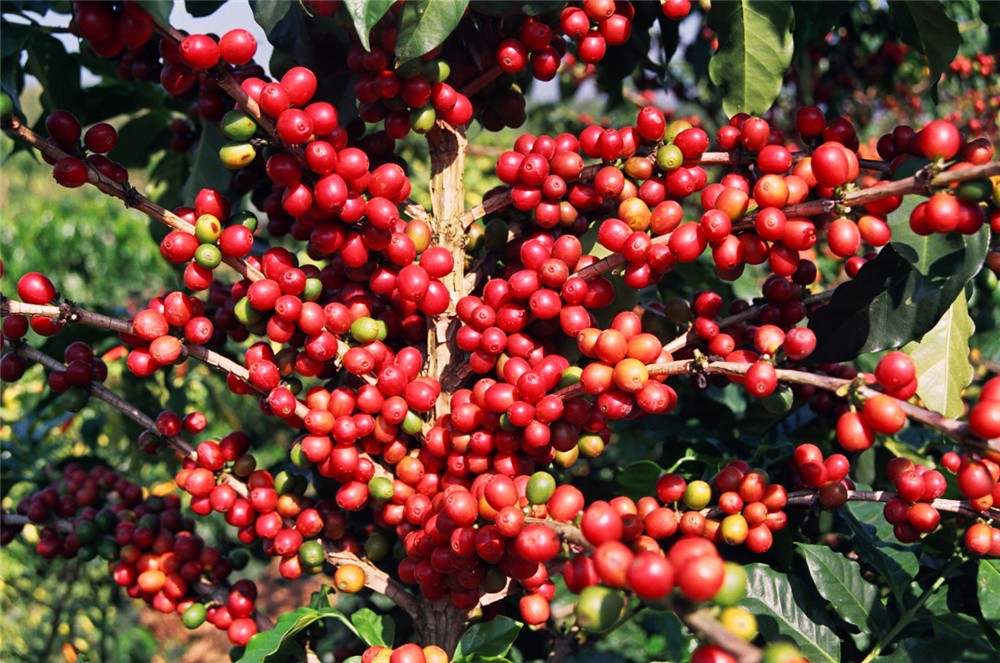
Looking back at history, the planting of Yunnan small-bean coffee began in 1904, when French missionary Tévenot introduced the Typica variety from Vietnam and successfully planted it in Zhugula Village, Binchuan County. This is regarded as the origin of Yunnan’s coffee industry. Small-bean coffee refers to the Arabica species, which has relatively smaller beans compared to the medium-sized Robusta and large-sized Liberica. Therefore, the Arabica coffee produced in Yunnan is also habitually referred to as “small-bean coffee.”
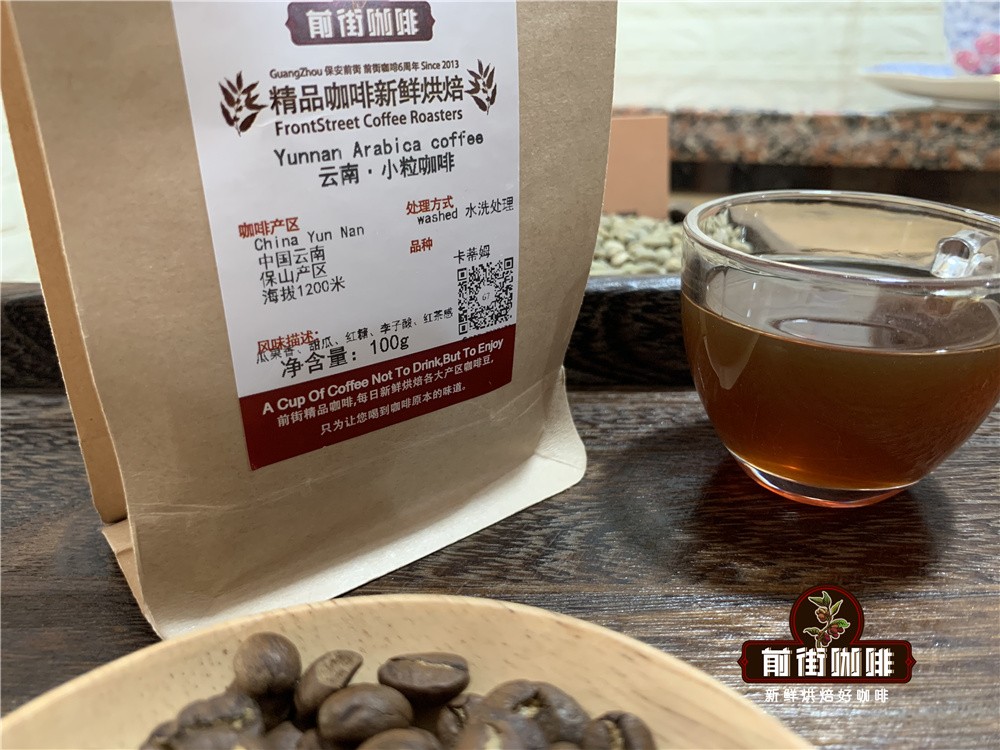
In terms of varietal evolution, Arabica coffee has relatively high environmental requirements, preferring high-altitude and rainy mountainous environments, and coffee grown at different altitudes often exhibits distinct flavor characteristics. Many specialty coffees also indicate the planting altitude on their packaging to highlight quality differences. Common high-quality Arabica varieties include Typica, Bourbon, and Caturra, all renowned for their delicate flavors, with Typica being the classic among classics.
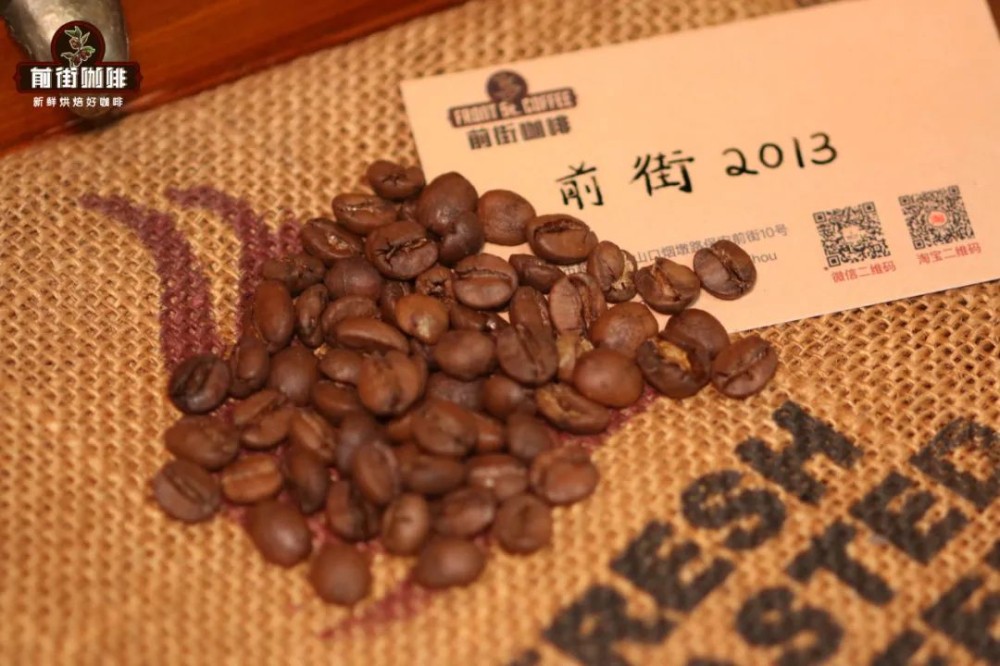
Typica is considered one of the most original Arabica varieties, with a long cultivation history. Its plants are tall and yields are relatively low, but it offers a rich flavor profile, often characterized by bright fruit acidity and diverse aromas. A brand’s 2013 natural Typica, for example, is based on this variety and, under appropriate natural processing, showcases a complex flavor profile of berries, brown sugar, nuts, and black tea, making it a classic choice for experiencing Yunnan small-bean coffee.
As for the main producing regions of Yunnan coffee, they are distributed between 15°N and the Tropic of Cancer, covering areas such as Lincang, Baoshan, Pu’er, Dehong, and Xishuangbanna. These regions mostly lie at altitudes between 1,000 and 2,000 meters, with climatic conditions suitable for coffee growth. Especially at higher altitudes, the greater diurnal temperature variation helps concentrate coffee flavors.
The Baoshan producing area is renowned for its stable washed and natural processing quality. Its small-bean coffee was honored as the “National Champion Coffee” at the 1980 National Coffee Conference and won numerous awards in domestic and international exhibitions during the 1990s. Pu’er is China’s largest coffee planting and trade hub, with a planting area exceeding 650,000 mu, and it actively promotes quality upgrades and brand building. The Dehong region has a comprehensive price guarantee and scientific management mechanism to ensure stable farmer incomes and quality. Lincang, with its humid climate and abundant sunshine, is an ideal location for natural-processed coffee, and a brand has also established a plantation here, launching uniquely flavored natural Typica products.
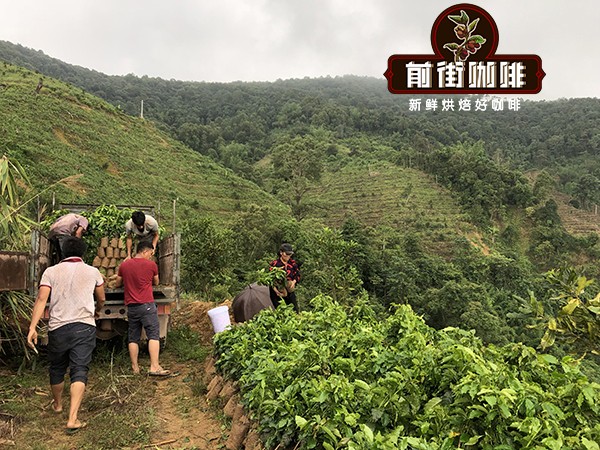
Speaking of the flavor profile of Yunnan small-bean coffee, it usually exhibits a neutral-to-mild acidity, not overly bitter, with clear aromas and a comfortable aftertaste, making it highly suitable for those new to single-origin coffee. Compared to the elegant fruit acidity of the Typica variety, the Catimor variety, despite carrying Robusta genes, can still showcase positive flavors such as nuts, caramel, and plums under good cultivation and processing techniques. Additionally, as an Asian bean, Yunnan coffee often carries herbal and piney undertones, blended with the region’s unique brown sugar and tea-like characteristics, resulting in a distinctive flavor profile.
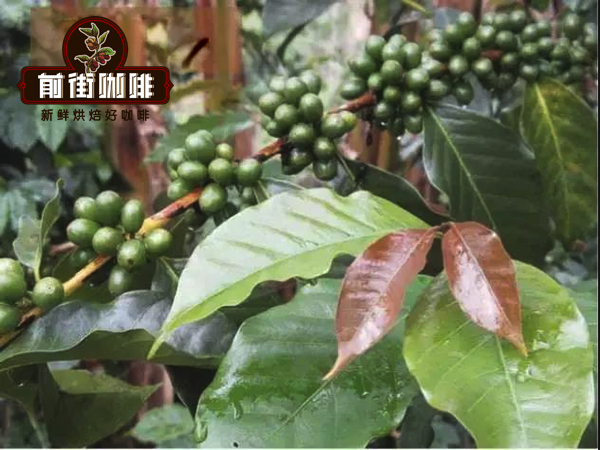
In terms of processing methods, due to Yunnan’s rainy and foggy climate, washed processing has become the mainstream method, effectively controlling fermentation and highlighting a clean flavor profile. However, natural processing is also gaining attention, especially in sun-rich producing areas, where it can impart richer sweetness and complexity to the coffee. Other methods such as honey processing have been tried, but washed and natural remain the most representative of Yunnan coffee’s regional traits. A brand, for instance, focuses on washed and natural processing, presenting clear flavors of herbs, nuts, chocolate, and caramel, which are highly favored by consumers.
For brewing recommendations on Yunnan Catimor, a Kono filter cone can be used, with a water temperature set at 88°C, a coffee dose of 15 grams, a coffee-to-water ratio of 1:15, and a grind size of medium-fine (about 75% through a Chinese standard No. 20 sieve). These parameters can fully bring out the aromatic characteristics of nuts, chocolate, spices, and plums. Meanwhile, the washed version of Yunnan small-bean coffee often showcases layers of herbs, nuts, chocolate, and black tea, making it suitable for drinkers who prefer a refreshing flavor.
Regardless of the processing method or variety chosen, the freshness of the coffee beans is key to flavor performance. It is generally recommended to choose beans shipped within 5 days of roasting, and to allow the coffee to undergo a 4 to 7-day resting period to reach its optimal flavor window. If purchasing coffee powder, it is advised to use it as soon as possible to avoid aroma loss due to oxidation. For consumers seeking the best tasting experience, whole beans are recommended for freshly grinding and brewing, to fully appreciate the delicacy and depth of Yunnan small-bean coffee.
The above content is compiled by CoffeeHunters, a coffee news website.


