







Introduction:Sumatra is not only home to the rare Sumatran tiger but also the cradle of the world-renowned high-quality Mandheling coffee. This article will delve into the inspiration behind the Sumatran tiger packaging, guide you through the major growing regions of Mandheling coffee, explore the characteristics of common varieties, and examine diverse processing methods. It will also detail the flavor profiles and optimal brewing recommendations for five classic Mandheling types—Lintong, Golden, Tiger, Aged, and Natural—to help coffee enthusiasts grasp the bold richness of dark-roasted Mandheling, as well as the fruity potential of medium-to-light roasted natural Mandheling.
The Sumatran tiger is the only remaining tiger species native to islands, found solely on Indonesia’s Sumatra Island, ranging from lowland forests to mountainous areas. With only around 400 to 500 individuals left in the wild, they are primarily concentrated in five national parks. Interestingly, Mandheling—one of Indonesia’s representative specialty coffees—also uses the Sumatran tiger as the main visual element on some commercial packaging. This not only echoes the uniqueness of its origin but also enhances brand recognition and storytelling.
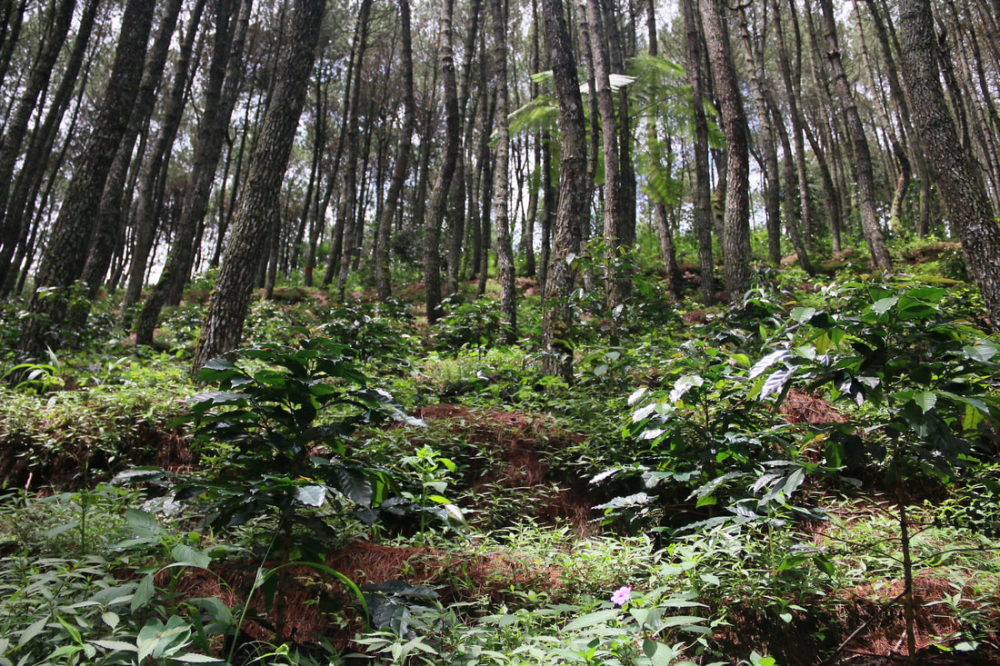
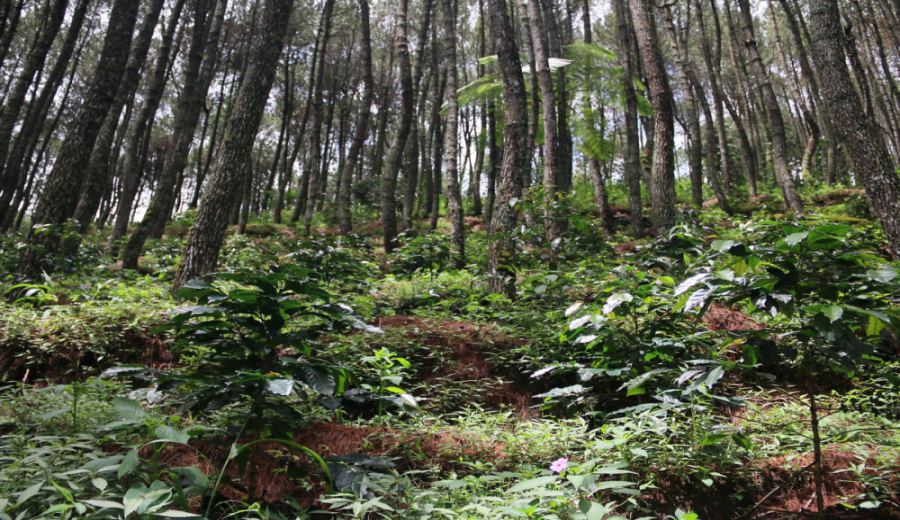
Sumatran coffee is known for its bold, full-bodied profile with herbal and earthy notes, among which Mandheling is the most famous. The coffee-growing regions here can generally be divided into two main areas. The southern part, including Medan, Lake Toba, and Lintong, is regarded as the traditional core area of Mandheling production. Many commonly seen Mandheling types in the market, such as G1, Golden Mandheling, and Tiger Mandheling, originate from here.
Mandheling from the Lintong region is mostly pure Arabica, although there have been rumors in recent years about Robusta gene infiltration, this has not been confirmed, and visual inspection still shows typical Arabica characteristics. The region mainly uses the traditional wet-hulled process (Giling Basah), though some processing facilities, such as WHANA, have also started adopting natural and semi-natural methods in recent years, significantly improving overall quality.
Lintong Mandheling is grown at altitudes of 1100 to 1600 meters, with varieties including Typica and Catuaí. Processed using the wet-hulled method, its flavor profile often features notes of toasted bread, nuts, caramel, pine, and herbs.Recommended pour over water temperature is 86–88°C, with a grind slightly coarser than light roast. A brew ratio of 1:13–1:14 is advised to highlight its bold character.
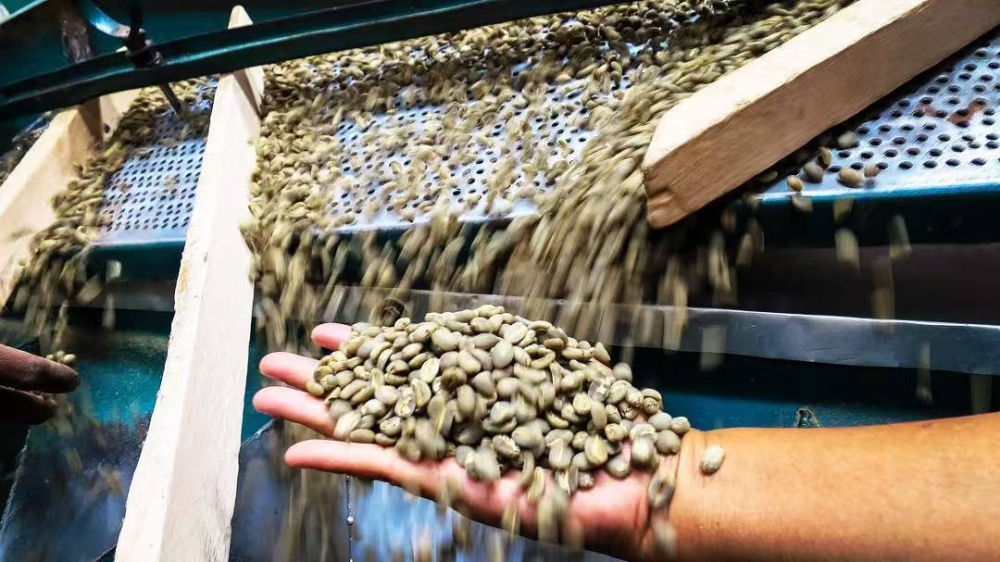
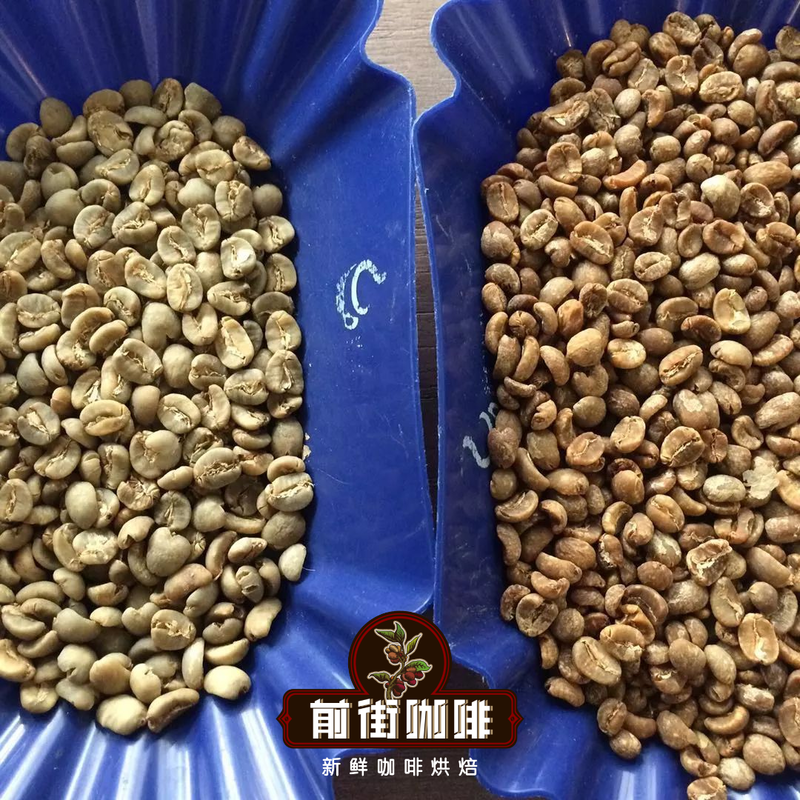
Golden Mandheling comes from Mount Gayo in Aceh, Sumatra, also grown at 1100 to 1600 meters altitude, with the Ateng variety and also processed by the wet-hulled method. Its key difference lies in strict green bean selection: graded at G1 level and hand-picked three times, ensuring uniform bean size and an extremely low defect rate. Specifications require beans to be over eighteen mesh, with no more than three defects per 300 grams, a dark green color, and regular shape. This high-standard selection removes the earthy and off-flavors often found in typical Mandheling, resulting in a cleaner, brighter cup with more pronounced sweetness and chocolate notes.
Tiger Mandheling is grown at 1500 meters in Sumatra, with varieties including Catuaí, Typica, and Sidikalang, also using the wet-hulled method. Its flavors are dominated by nuts, cream, dark chocolate, caramel, and pine, offering a balanced and layered profile.
Aged Mandheling also comes from Sumatra at 1500 meters altitude, with varieties being Catuaí and Typica, and processed via the wet-hulled method. Its special aging process gives the coffee a rounder, fuller, and deeper flavor profile, reminiscent of the mellow depth achieved when brewing Pu-erh tea. In fact, aged coffee has a long history in Indonesia. Originally, due to slow shipping, coffee beans would naturally dry and be influenced by sea breezes during long transit, developing unique aged aromas. Today, it has become a deliberately crafted processing style.
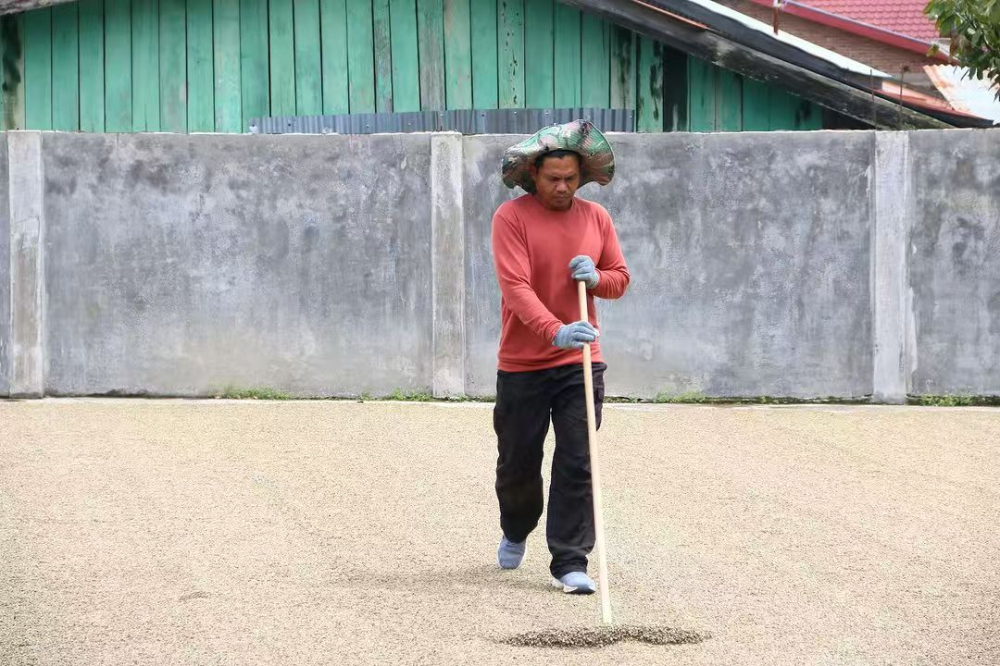
When it comes to roasting Mandheling, dark roasts are predominantly used, mainly for two reasons: first, the diversity of its processing methods and varieties leads to relatively higher defect rates, and dark roasting helps effectively mask flaws; second, Mandheling was initially promoted in the Japanese market, where consumers generally prefer bold, rich, and full-bodied coffee flavors—thus making dark roasting the mainstream.
In addition to the four common wet-hulled Mandheling types, there is also a rarer natural-processed Mandheling, sourced from Wahana Estate in the Lake Toba region of Sumatra, grown at 1000 to 1700 meters altitude, with varieties including Bourbon and Typica, and processed using the natural method. This particular lot is medium-to-light roasted, showcasing bright fruit notes such as melon, fermentation, mango, tropical fruits, and peach—offering a strong contrast to traditional Mandheling.
For Mandheling of different roast levels, it’s recommended to use different pour over methods and parameters to fully bring out their potential. For medium-to-dark roasted wet-hulled beans, immersion-style filter baskets such as KONO or French press are recommended. Keep water temperature at 86–88°C, with a slightly coarse grind, and a brew ratio of 1:13–1:14 to avoid over-extraction.
Recommended parameters include: KONO filter basket, water temperature 86–88°C, grind size Small Fuji #4, 15g coffee, water-to-coffee ratio 1:15, 30-second bloom, three pours to 225g total, with a total brew time of about 2 minutes.
As for natural-processed Mandheling, due to its medium-to-light roast level, it is recommended to use a V60 filter, increase water temperature to 90°C, adjust grind to sugar-like fineness, use a 1:15 brew ratio, and perform three pours with a total extraction time of about 2 minutes 10 seconds to fully showcase its tropical fruit and fermented aromas.
The flavor profiles of each Mandheling type can be summarized as follows: Golden Mandheling offers complex layers, a rich yet clean mouthfeel, with a base of nuts and caramel complemented by chocolate notes; Lintong Mandheling presents distinct herbal and medicinal notes upfront, paired with dark chocolate and caramel, finishing sweet; Tiger Mandheling leads with pine and spice, balanced by cream and nut flavors; Aged Mandheling showcases woody, malty, and caramel tones, with a thick, delicate body, low acidity, and rich sweetness; Natural Mandheling has a bright profile, moderate acidity, intertwined tropical fruit and fermented notes, smooth texture, and outstanding sweetness.
The above content is compiled by CoffeeHunters, a coffee news website.


