








Introduction:The Costa Rica Musicians Series coffees are renowned for their honey processing method, which brings out their sweetness and fruity aromas to the fullest. This article will delve into the origin background, variety characteristics, altitude, and differences in processing methods of three representative beans — Mozart, Beethoven, and Bach. It also provides expert V60 pour-over parameters and actual tasting notes to help you discover your own flavor preferences and further appreciate the unique charm of the Tarrazú region.
Costa Rica is known for producing coffee beans with high sweetness and excellent balance. Within one brand’s selection, the Musicians Series takes this sweet profile to a whole new level. Most beans in this series are processed using the honey method and are often described by consumers as “intensely floral and fruity, sweet but not cloying.” This article not only introduces the core principles of honey processing but also explores the story behind Finca Canet, analyzing in detail the growing environments, variety selections, altitudes, processing methods, and flavor profiles of the Mozart, Beethoven, and Bach coffees. It also includes tested V60 pour-over parameters and tasting records to help you fully grasp the essence of this series.

When it comes to coffee regions known for their prominent sweetness, Costa Rica definitely ranks at the top. The Costa Rica Musicians Series launched by one brand features honey-processed beans, and consumers commonly report distinct floral and fruity aromas along with rich sweetness. The honey processing method originated from an optimization of Brazil’s pulped natural technique, with the primary aim of enhancing the final flavor’s sweetness and body by retaining the mucilage layer on the surface of the coffee bean. This method gradually became popular in Costa Rica due to water restrictions and climatic conditions. The key to honey processing lies in the amount of mucilage retained before drying — the more mucilage retained, the more pronounced the sweetness, body, and complexity of the coffee. Based on the degree of mucilage retention, it is generally categorized into black honey, red honey, gold honey, yellow honey, and white honey, each offering a unique flavor profile.
The Costa Rica Musicians Series consists of four coffees: Mozart, Beethoven, Bach, and Chopin. As Chopin beans are temporarily unavailable, this article focuses on the first three. All three coffees come from Finca Canet, a small five-hectare family-owned farm located in the town of San Marcos within Costa Rica’s Tarrazú region. It is jointly managed by the Robles brothers — Leo, Elian, and Melvin. With over a decade of farming experience, they have built their own small wet mill. Since the area is also a major guava producer, coffee is grown only in specific sections, and only perfectly ripe red cherries are selected. As a result, every coffee bean is carefully cultivated, harvested, and processed, leading to exceptional flavor profiles.
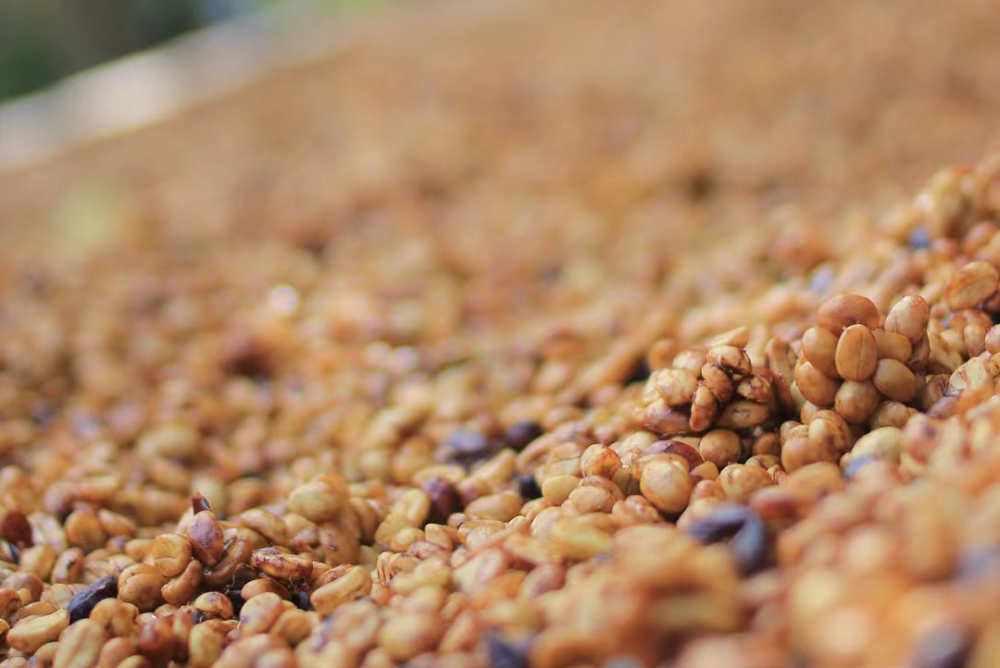
First, let’s introduce “Brand Mozart” and “Brand Bach.” Both beans use the raisin honey processing method, a high-sweetness variant of honey processing. Unlike standard honey processing, raisin honey involves soaking the harvested coffee cherries in water tanks to remove defective beans first. The selected cherries are then placed on raised beds to dry for at least three days before the outer skin is removed, leaving the complete mucilage layer intact, followed by prolonged drying. This process requires constant turning to ensure even drying and to avoid over-fermentation. This method involves almost no washing and relies entirely on natural drying, thus demanding precise control over time and weather conditions. It also significantly enhances sweetness and the complexity of fermentation layers.
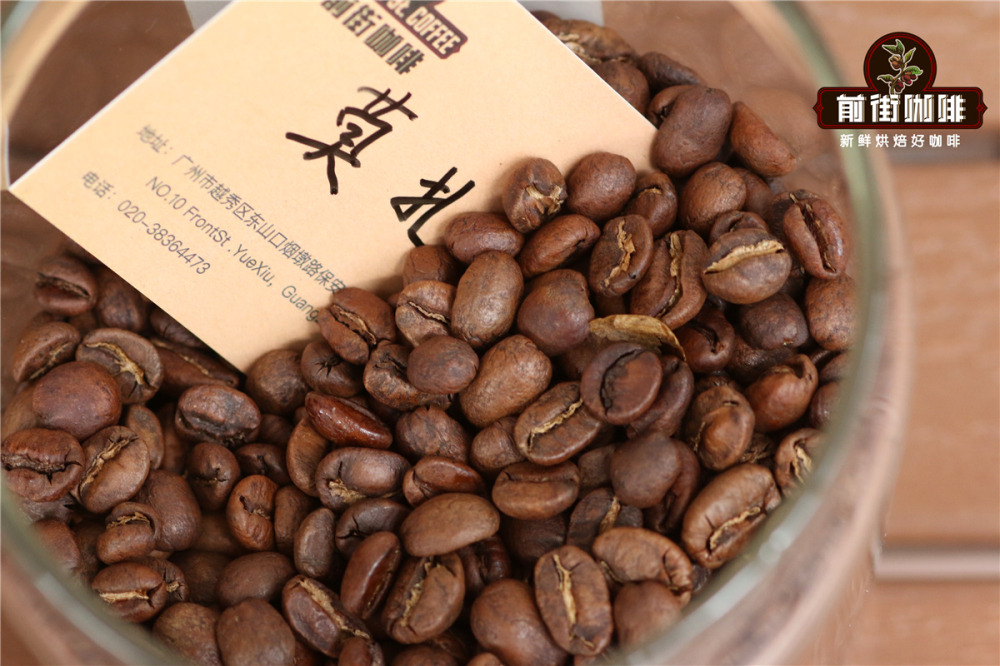
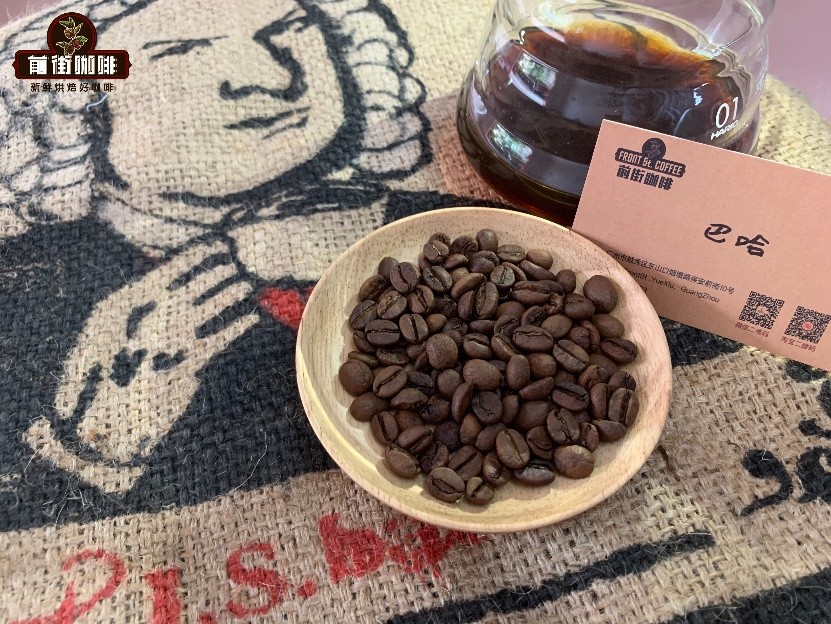
“Brand Mozart” originates from the Tarrazú region, with a variety mix of Caturra and Catuaí, grown at an altitude of 1950 meters, qualifying as Strictly Hard Bean (SHB). Its processing method is raisin honey, and its flavor profile often includes osmanthus, berries, fermented wine notes, and a rich raisin-like sweetness.“Brand Bach,” also from Tarrazú, is made from the Caturra variety, grown at 1950 meters and classified as SHB. It too uses the raisin honey process. Its flavor profile includes tropical fruits, nuts, creaminess, and distinct fermented aromas, combining both sweetness and body.
As for “Brand Beethoven,” it showcases a distinctly different processing style. This coffee also comes from Finca Canet in the Tarrazú region, is of the Yellow Caturra variety, grown at 1900 meters, and is also SHB. However, it is processed using traditional washed processing. In the washed process, unripe or overripe beans are first removed, followed by pulp removal. A centrifugal washer is used to eliminate mucilage and prevent fermentation, then the beans are thoroughly rinsed with clean water. Finally, they are dried on shaded raised beds for 12 to 14 days, with regular turning to ensure even drying. This processing method gives Beethoven a bright and clear acidity, with flavors often featuring citrus, black tea, and caramel notes, and a clean, refreshing mouthfeel.

All three coffees in the Musicians Series come from the Tarrazú region, considered one of Costa Rica’s most important coffee-growing areas. Tarrazú is home to the globally renowned La Minita estate, which, despite an annual production of only about 70,000 kilograms, is famed for its exceptional quality. The Tarrazú region strictly prohibits the use of synthetic fertilizers and pesticides, and all harvesting and sorting are done manually to minimize bean damage. Additionally, with altitudes mostly above 1500 meters, over 95% of the beans are SHB, which is why the region’s coffee is widely recognized for its high acidity, sweetness, and good body.
Many consumers assume that coffees from the same region and estate in the Musicians Series should taste similar, but in reality, even within the same estate, subtle differences in altitude, microclimate, variety, and processing method can significantly impact the final flavor. Coffee enthusiasts are encouraged to try all three beans individually and conduct blind tastings to personally experience their nuanced differences.
One brand recommends the following V60 pour-over parameters for brewing the Musicians Series coffees: Use a V60 dripper, set the water temperature to 91°C, use a coffee-to-water ratio of 1:15, with a suggested coffee dose of 15 grams. The grind size should be based on 80% extraction through a Chinese No. 20 standard sieve. The specific steps are as follows: Start with a 30-second bloom using 30 grams of water, then pour in a slow circular motion until the total water reaches 125 grams for the first pour. When the water level is about to expose the coffee bed, pour again up to 225 grams, then stop. Once the water level drops and is about to expose the coffee bed again, remove the dripper. The total brew time should be around 2 minutes.
In actual tasting, “Brand Mozart” presents noticeable berry and fermented aromas in the dry scent, while the wet aroma highlights the sweetness of raisins and sweet oranges. As the temperature changes, wine-like and osmanthus notes gradually emerge. “Brand Beethoven” has a dry aroma leaning toward berries and tea, with clear citrus and black tea flavors upon tasting, and more pronounced caramel and tea notes as it cools. “Brand Bach” centers on fermented aromas, with tropical fruits and creaminess blending on the palate. As it cools, layers of nuts and caramel gradually unfold. Each of the three coffees excels in its own way in terms of taste and aroma, making them worthy of careful savoring.
If you prefer different styles, one brand also offers a blueberry-flavored coffee from the Brunca region as an alternative. This coffee uses anaerobic heavy honey processing, with a dry aroma featuring rose floral notes and mild fermentation, and a mouthfeel as smooth as blueberry taffy. The finish leaves a cool minty aftertaste. It performs excellently whether hot-brewed or cold-brewed, making it ideal for coffee lovers seeking unique flavor experiences.
The above content is compiled by CoffeeHunters, a coffee news website.


