







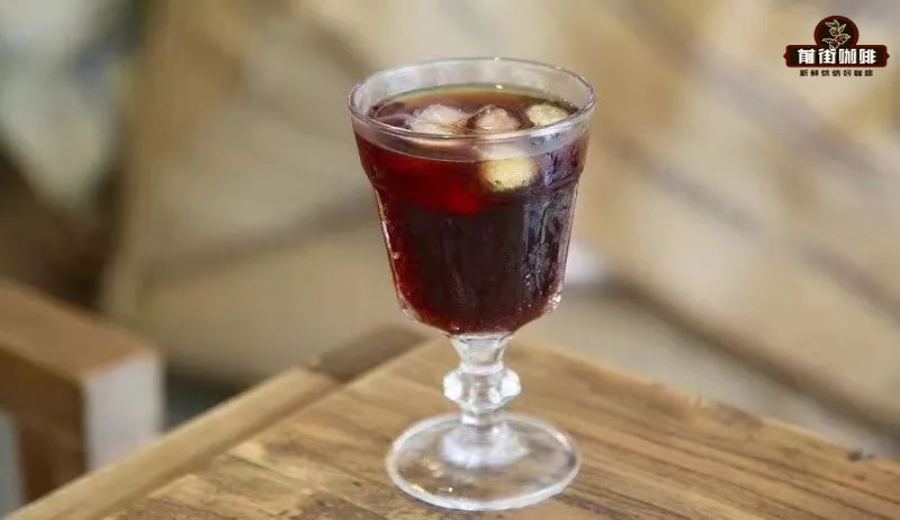
Introduction:Cold drip coffee is often described as having wine-like aromas and flavors, which may spark curiosity about whether special beans or flavorings are used. In fact, these captivating characteristics stem from low-temperature extraction and sealed aging processes—not from added ingredients. This article delves into the key steps of cold drip coffee, from dripping to aging, explaining why freshly dripped coffee tastes thin and why it requires time and low-temperature maturation. It also explores how controlling environmental conditions can produce wine-like aromatic layers, helping coffee enthusiasts master the essence of this unique brewing method.
Many first-time tasters of cold drip coffee are drawn to its subtle hints of wine aroma and rich vinous notes, sometimes even assuming that alcohol was added during brewing or that specially flavored beans were used. However, these intriguing qualities are not the result of additional flavoring but rather the combined outcome of cold drip coffee’s unique production process and subsequent treatment.
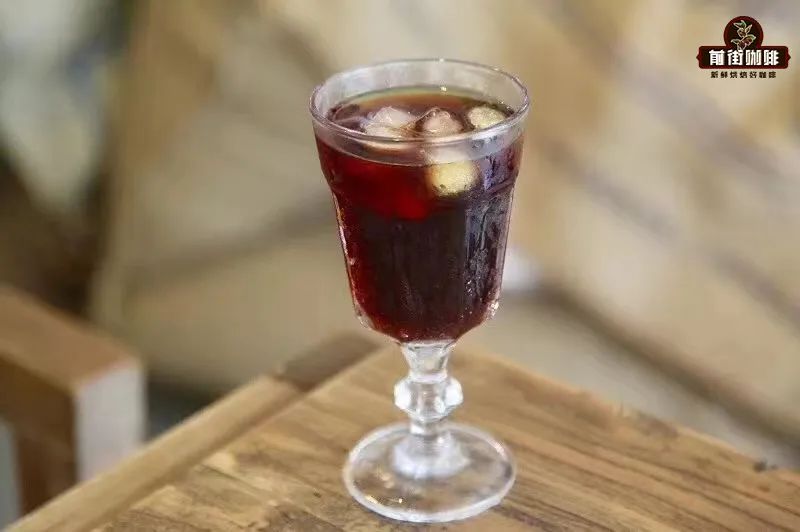
When you first taste freshly dripped cold drip coffee, you might be surprised—it often lacks full flavor development, with a relatively thin mouthfeel, and in some cases, a slight bitterness that may not be particularly appealing. This means the “finished state” of cold drip coffee actually requires an important post-production phase to reveal its rounded, layered, and optimal flavor profile.
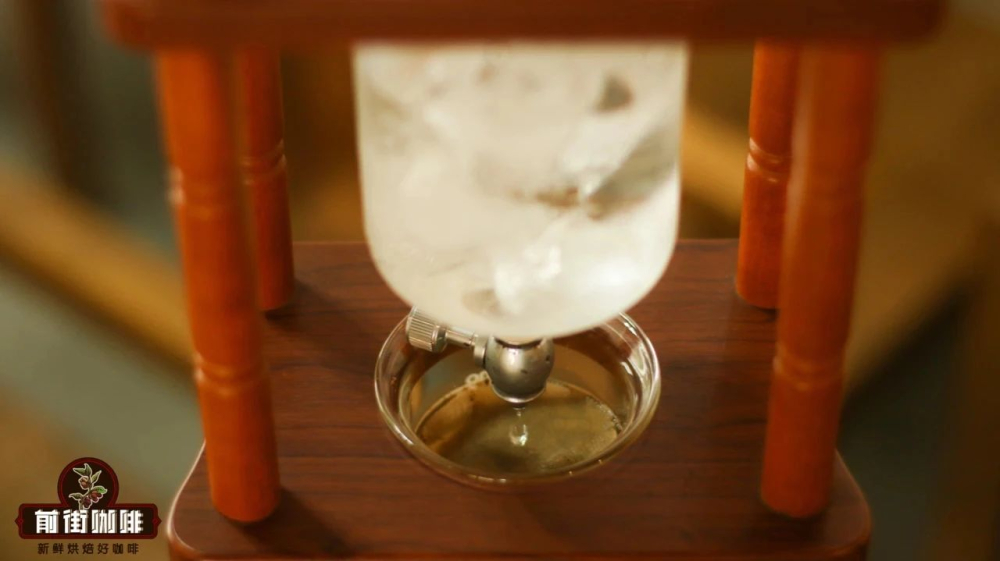
Interestingly, many regular drinkers describe the unique aroma of cold drip coffee as “having a wine-like taste,” and even some newcomers to coffee may wonder aloud if alcohol was added during the process or if the beans themselves possess inherently wine-like qualities. In reality, these assumptions are incorrect. The “wine aroma” in cold drip coffee is entirely the result of its distinctive low-temperature extraction and subsequent sealed aging processes, which naturally cultivate such flavors.
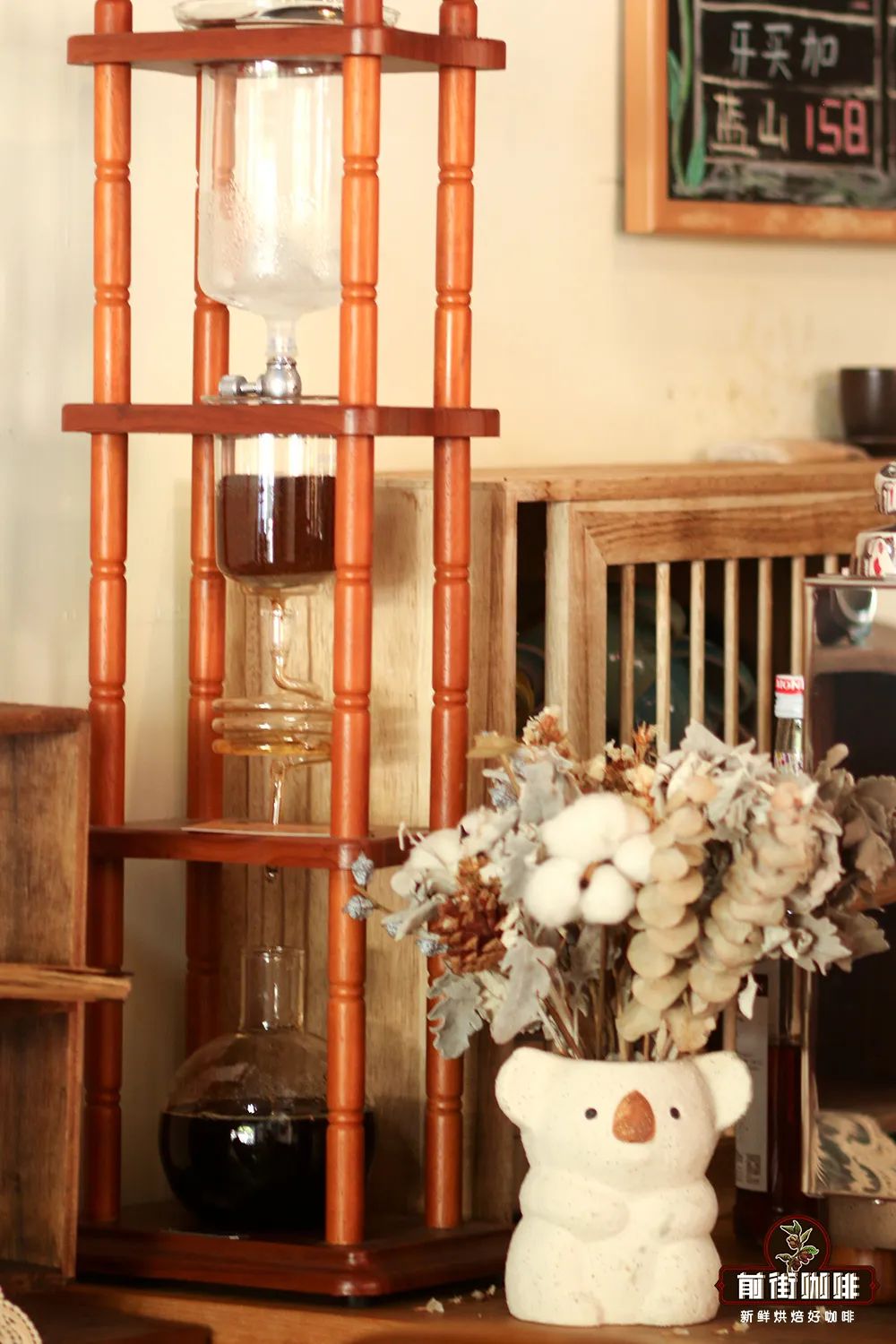
Compared to hot-brewed coffee, which can undergo uncontrollable fermentation reactions when left at room temperature, the cold drip process deliberately uses low temperatures during extraction to effectively inhibit the rapid reproduction of bacteria and other microorganisms, reducing the risk of spoilage. Furthermore, makers place freshly dripped cold drip coffee into sealed containers and store them in a low-temperature environment for aging. This process helps slow down the internal chemical changes of the coffee while promoting the gradual generation of aroma compounds similar to those found in wine fermentation, thereby delivering a rich and layered vinous experience.
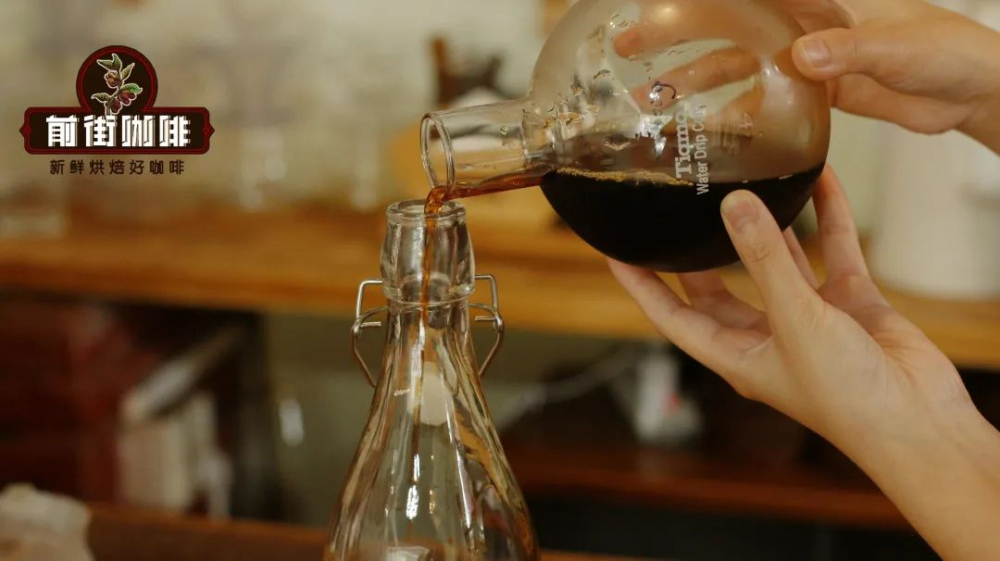
In short, the reason cold drip coffee can present complex flavors reminiscent of wine lies in the precise control of temperature, time, and environment throughout the entire production chain. From low-temperature extraction to sealed aging, each step directly influences the final aroma and taste presented in the cup—this is also the most unique and worthwhile aspect of the cold drip technique to explore in depth.
The above content is compiled by CoffeeHunters, a coffee news website.


