







Introduction:Lintong Mandheling is one of the most representative coffees from Sumatra, renowned for its full body, low acidity, and distinctive flavors of spices and herbs. This article delves into the geographical environment of the Lintong region, the background of the coffee variety, analyzes the uniqueness and challenges of the wet-hulled processing method, and offers practical pour-over brewing recommendations—including water temperature, brew ratio, and grind size—to help you fully appreciate the layers and charm of this classic Indonesian coffee.
Among Indonesia’s many coffee-growing regions, Sumatra’s Lintong Mandheling has won the hearts of global coffee enthusiasts with its full body, low acidity, and unique spicy notes. To truly understand this classic coffee, it takes more than just tasting—it requires a comprehensive grasp of the origin, processing characteristics, and brewing techniques. This article will guide you through the origins of Lintong Mandheling, uncovering its story and how to bring out its most captivating flavors using the right brewing methods.
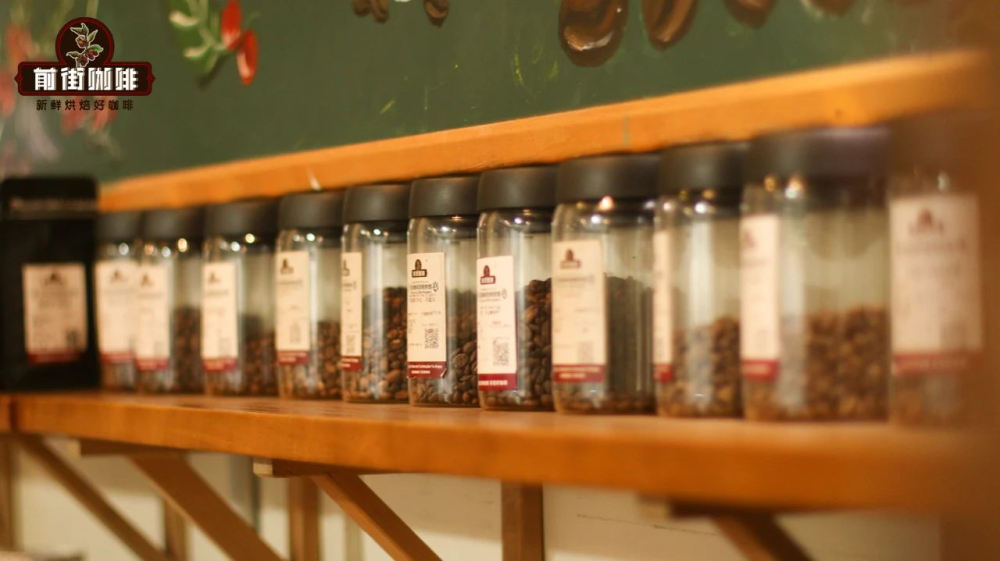
Indonesia is the world’s fourth-largest coffee producer, exporting around 300,000 metric tons of coffee beans annually, of which approximately 75,000 metric tons are Arabica. Most of these are grown by smallholder farmers on farms of one hectare or less. The main coffee-producing regions in Indonesia are concentrated on the three major islands of Sumatra, Java, and Sulawesi, and the “Mandheling” from Sumatra is the most well-known variety. Among them, the regions around Lake Tawar (in Aceh), Lintong, and Lake Toba are particularly famous—collectively referred to as the “Two Lakes, Two Mandhelings,” representing two of Indonesia’s classic coffee flavor profiles.
Lintong is located in north-central Sumatra, near Lake Toba—the world’s largest volcanic lake. The altitude here ranges between 1,100 and 1,600 meters, with a tropical rainforest climate that brings abundant rainfall year-round. The fertile soil, enriched by nearby volcanoes, provides ideal growing conditions for coffee trees. The Mandheling produced in this region is grown at altitudes of about 1,000 to 1,500 meters, with varieties including Typica and Catuaí, and is processed using Indonesia’s unique wet-hulled method.
Interestingly, “Mandheling” is not actually the name of a coffee variety or region, but rather the name of an indigenous tribe. This misunderstanding originated from early Japanese buyers who mistakenly took the tribe’s name as the name of the coffee, inadvertently making “Mandheling” the synonym for this distinctly Indonesian coffee—and the term has stuck ever since.
Lintong Mandheling is typically processed using the wet-hulled method, designed to address Indonesia’s high humidity and accelerate the drying process of the coffee beans. Generally, after removing the fruit skin and pulp, the wet-hulled method retains the parchment and mucilage for a short fermentation period, then washes off the mucilage. However, instead of waiting for the beans to dry completely, the parchment layer is removed while the beans are still relatively moist. This exposes the green beans to the sun in a more humid state, significantly reducing the overall drying time to just 2–3 days. While this process gives the coffee a bold, heavy body, the beans are also more prone to damage during hulling at this semi-dry stage, resulting in the characteristic “elephant foot” shape—a common and normal feature of Lintong Mandheling.
Additionally, the bean selection process for Lintong Mandheling is generally less strict compared to other regions, which can lead to slight variations in bean size and may affect roast and extraction stability. However, this does not detract from its beloved full-bodied character and unique aroma.
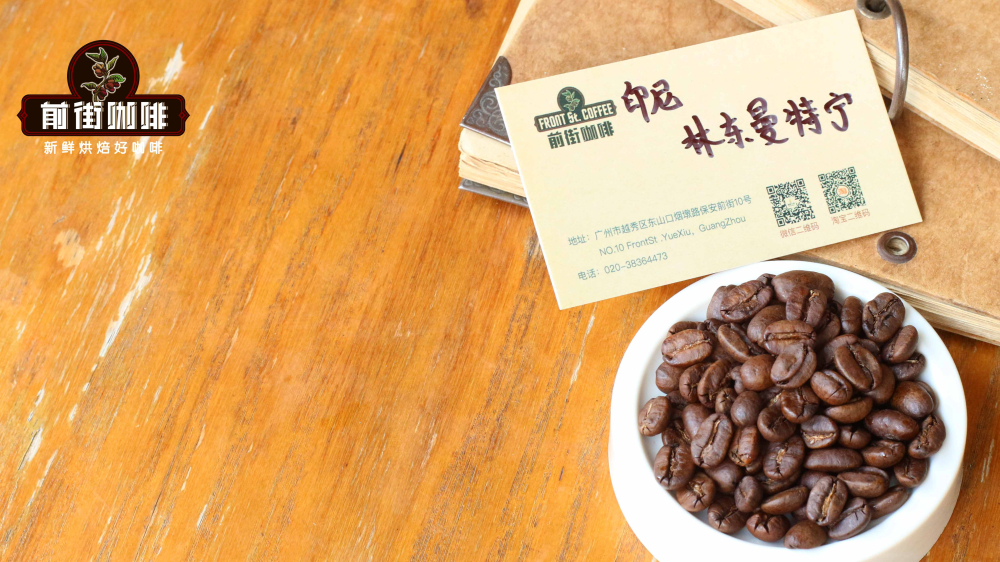
The varieties used in Lintong Mandheling are primarily a blend of Ateng and Tim Tim, with Ateng being a common Catimor-type variety in Sumatra and other parts of Indonesia. It is a hybrid of Arabica and Robusta, known for its disease resistance and stable yield, and is often used in commercial-grade beans. Though not typically favored in the specialty coffee market, these varieties can still exhibit rich flavor layers when processed and roasted appropriately.
Speaking of the wet-hulled method, it is one of the most iconic processing methods in Indonesia. Compared to the clean acidity of the washed process, the wet-hulled method enhances the coffee’s body and richness, bringing out intense notes of spices, herbs, and woodiness. Because the parchment is removed while the beans are partially dried, they are more susceptible to pressure and cracking—this is one reason why Lintong Mandheling often exhibits the so-called “elephant foot” shape. Consumers should not view this as a defect, but rather as part of the method’s craftsmanship.
In terms of roasting, Lintong Mandheling is typically medium to dark roasted to fully highlight its rich flavors of spices, herbs, and nuts, while retaining a moderate level of sweetness and body. For pour-over enthusiasts, it is recommended to use a Kono filter, which is designed to reduce airflow exchange and extend brew time—helping to enhance the overall body, especially suited for medium to dark roasts.
Here are some practical pour-over brewing parameters: Use about 15 grams of coffee, with a brew ratio of 1:15, and control the water temperature at 87–88°C. The grind size should be roughly the size of coarse sugar (approximately 70% passing through a #20 sieve). Specifically, start by pouring 30 grams of water for a 30-second bloom, then pour in a circular motion with a slow stream until reaching 125 grams for the first pour. Once the water level drops, continue pouring until you reach 225 grams, then stop. The total brew time should be around 2 minutes. These parameters help balance acidity and sweetness, highlighting a full body and rich aromatic layers.
The flavor profile of Lintong Mandheling often includes sweet herbs, cinnamon-like spices, citrus peel notes like orange and grapefruit, as well as creamy, nutty, and chocolatey sweetness. As the coffee cools slightly, the herbal and spicy notes become even more pronounced, with a low-acid profile and a long-lasting aftertaste—making it highly suitable for coffee lovers who enjoy deep, complex flavors and textures.
The above content is compiled by CoffeeHunters, a coffee news website.


