







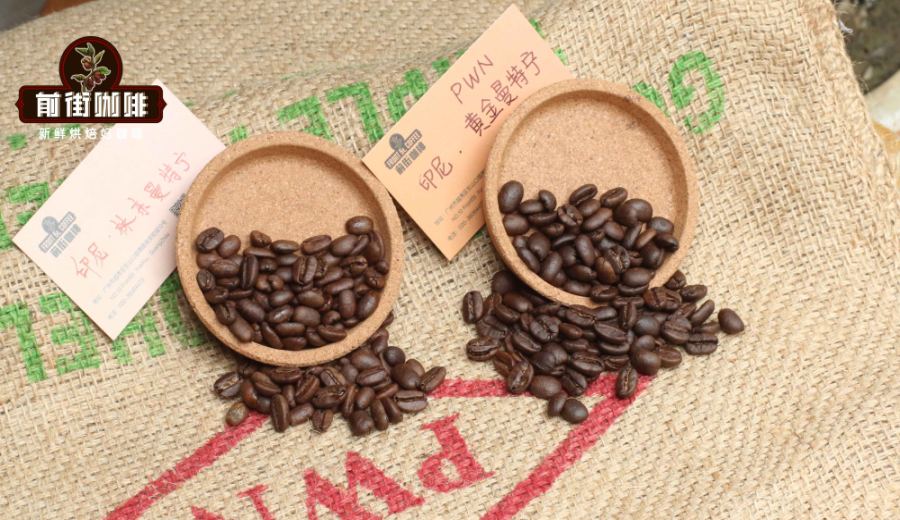
Introduction:When many people hear "Golden Mandheling," their first reaction is to imagine golden-colored coffee beans, but this is actually a common misconception. This article delves into the true origins of Golden Mandheling, the characteristics of its producing region, the brand background, and its unique flavor profile to help you correctly understand this classic coffee bean from Sumatra, Indonesia, and learn why it is regarded as one of the representatives of specialty coffee.
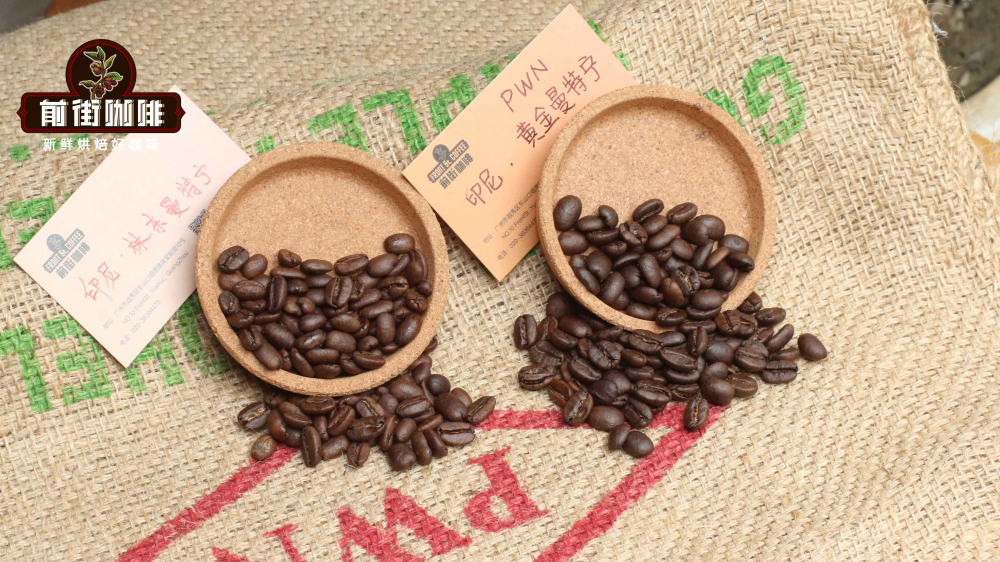
The name Golden Mandheling often leads people to assume it refers to coffee beans with a golden appearance, but in reality, the beans are not golden in color—they tend to be dark green or deep green. Behind this name lies a story involving Japanese soldiers, Indonesian coffee farmers, and a legendary case of miscommunication. This article will comprehensively analyze various aspects of Golden Mandheling—from its origin, the story behind the name, roasting quality control, to the evolution of its aging flavors—to give you a full understanding of its unique status as a premium coffee from Sumatra.
Golden Mandheling originates from the island of Sumatra in Indonesia, particularly concentrated in the northern regions of Lintong and Mandheling. This area is known for its high-altitude clay plateau terrain, cool and humid climate, which is very suitable for the growth of Arabica coffee. The coffee here is typically grown using natural cultivation methods without shading or pesticides, mostly managed by smallholder farmers, contributing to its distinctive regional flavor characteristics.
Sumatran coffee is characterized by its bold, full-bodied, and low-acid profile, and Golden Mandheling is no exception. Its flavor profile often features intense spice and herbal aromas, a balanced bitterness and sweetness upon tasting, with a sweet and woody aftertaste. Some aged batches even exhibit a honey-like sweet finish. These flavor characteristics make Golden Mandheling highly versatile, excelling both as a single-origin coffee and in blends.
Interestingly, the term "Mandheling" does not refer to a producing region, port, or coffee variety. Historical records indicate that the term actually originated from a misunderstanding by a Japanese soldier during World War II. It is said that he drank a rich and strong cup of coffee at a café in Indonesia and asked the shop owner for its name. Due to a language barrier, he was misunderstood to be asking about the owner’s origin, to which the reply was "Mandheling"—the name of an indigenous ethnic group in Indonesia. After the war, the soldier reminisced about the coffee experience and specifically commissioned an Indonesian coffee trader to ship 15 tons of green beans to Japan. From then on, the term "Mandheling" gradually gained popularity in the market.
Today, the well-known Golden Mandheling is actually produced by the long-established Indonesian company PWN (N.V. Pawani Medan) through a rigorous quality control process. Since 1957, the company has been dedicated to exporting Indonesian coffee and played a crucial role in successfully promoting the "Mandheling" name in the Japanese market. Starting in 1977, PWN focused on exporting high-grade Sumatran Arabica coffee and established a series of premium-grade selection standards specifically for Golden Mandheling.
In the production of Golden Mandheling, PWN manually sorts the green beans three times to remove defective beans and uses a color sorter to precisely control bean size, selecting only those within the 17 to 18 mesh range that are uniform in appearance and dark green in color. Such stringent quality control measures not only enhance the consistency of the coffee but also contribute to its high reputation in the international market, earning favor even in the European and American markets.
Speaking of Aged Mandheling, this is another noteworthy topic. Through a well-controlled aging process, the naturally sharp acidity inherent in Mandheling can be softened, transforming into a rounder and sweeter taste. Successfully aged beans can emit a honey-like sweetness, with deeper and more complex flavor layers. However, if the aging conditions are suboptimal, it may lead to flavor degradation, resulting in an unpleasant stale taste, which the industry jokingly refers to as "coffee zombies."
Returning to the flavor profile of Golden Mandheling itself, it is often described as rich and full-bodied, with bold and vibrant aromas. Upon tasting, it delivers pronounced spice and herbal notes, with a noticeable bitterness that is not overly harsh, followed by a long and slightly sweet aftertaste. This flavor profile makes it not only suitable as a single-origin coffee but also a key base in many classic blend recipes. For example, in espresso, it can bring out wild spice aromas, while in lattes or Americanos, it showcases a rich base with a lingering sweet finish.
In summary, Golden Mandheling is not named for its golden appearance, but rather as a result of a historical misunderstanding and the results of premium-quality control. It represents the bold characteristics of Sumatran coffee, combined with rigorous selection and processing procedures, achieving its unique position in the global specialty coffee market. Whether you're a beginner or an advanced coffee enthusiast, understanding the origins and flavor characteristics of Golden Mandheling can help you better appreciate this classic black coffee from the depths of the Indonesian rainforest.
The above content is compiled by CoffeeHunters, a coffee news website.


